

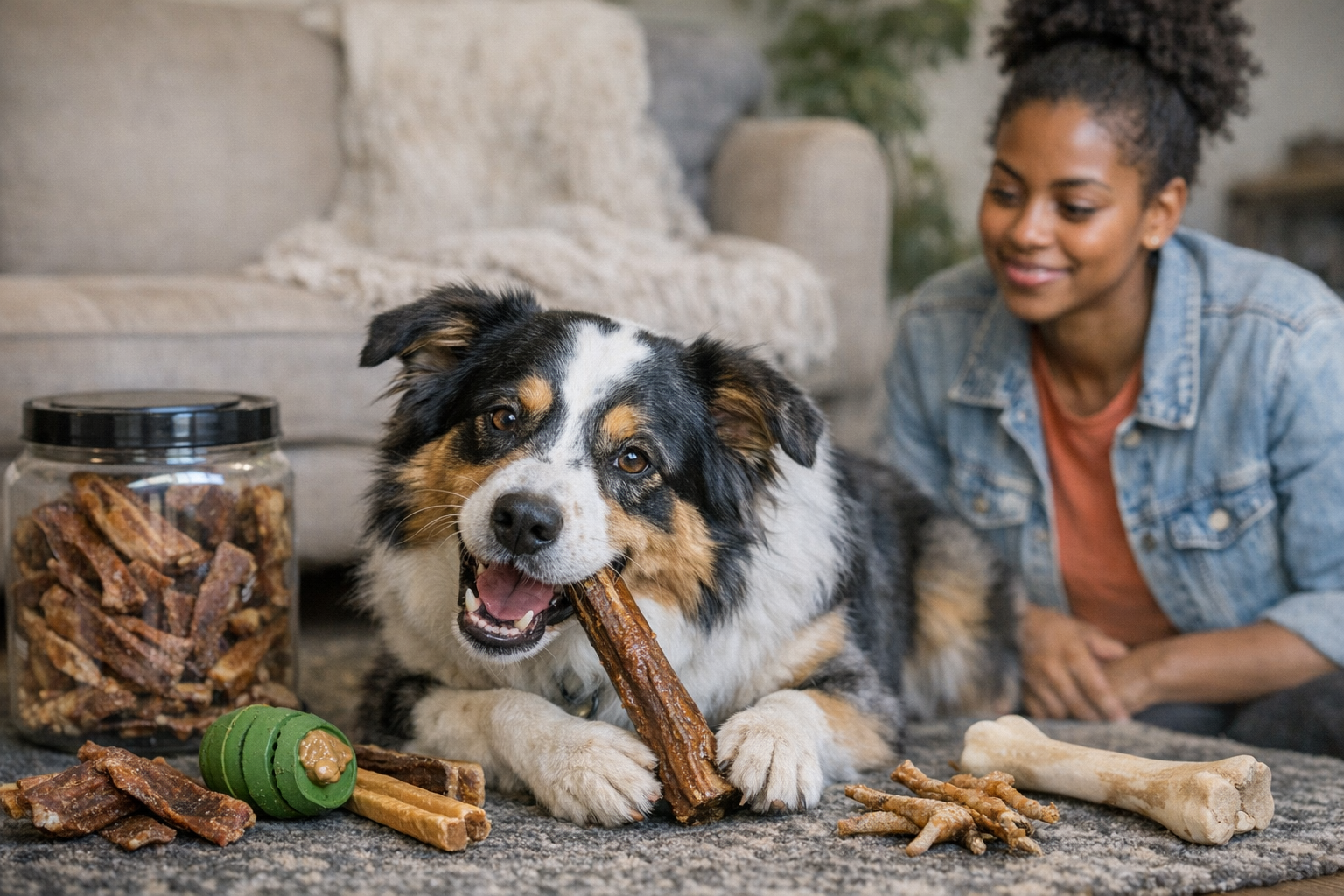
5 Ways to Make Store-Bought Treats Last Longer for Power Chewers
Store-bought treats can be a great reward for our furry friends, but for power chewers, they often don’t last long. Here are five effective ways to extend the life of these treats, ensuring your dog gets to enjoy them longer while maintaining their health.
Why This Topic Matters for Pet Parents
Understanding how to make treats last longer is essential for pet parents, especially those with strong chewers. Power chewers can destroy treats quickly, leading to waste and potential digestive issues. Here’s why keeping treats around longer is beneficial:
- Cost-effective: Reduces the need to purchase treats frequently.
- Healthier choices: Allows you to control what your dog is eating over time.
- Behavioral benefits: Longer-lasting treats can reduce boredom and promote positive chewing habits.
Key Insights
- Power chewers tend to break down treats faster due to their strong jaws.
- Certain ingredients in treats can degrade quicker than others.
- How you store treats can significantly affect their lifespan.
- Some treat types are inherently longer-lasting than others.
Expert Tips
To help your power chewer enjoy their treats for a longer time, consider these expert recommendations from veterinarians:
- Choose Durable Treats: Look for treats made from tough proteins like chicken feet, bully sticks, or rawhide alternatives.
- Rotate Treats: Hiding a variety of treats can keep your dog engaged, making them less likely to devour one specific kind too quickly.
- Supervise Chewing: Watch your dog while they chew. This allows you to intervene if they begin breaking down a treat too quickly.
- Break Larger Treats: Cut larger treats into smaller, manageable pieces. This way, they can last longer over multiple sessions.
- Keep Treats Fresh: Store treats in an airtight container to maintain their texture and flavor. A cool, dry place is best.
Best Products or Treat Types
While specific brands may vary, here are some types of treats that are known to last longer for power chewers:
- Bully Sticks: These are dense and can provide hours of chewing satisfaction.
- Rawhide Alternatives: Options made from vegetables or other proteins can be more digestible.
- Rubber Chew Toys: Fill these with treats or peanut butter for added longevity in playtime.
- Dried Meat Chews: Such as dehydrated chicken or duck, which are hard and require more chewing.
- Dental Chews: These can last longer and support oral health simultaneously.
Common Mistakes to Avoid
To ensure your treats last longer, be mindful of these common mistakes:
- Ignoring Expiration Dates: Always check for expiration. Old treats can become stale and unappealing.
- Storing in Humid Areas: Moisture can make treats soggy and unappetizing. Keep them dry!
- Using Inappropriate Treats: Some soft or overly processed treats can’t withstand strong chewing.
- Not Monitoring Consumption: Allowing your dog to have unlimited access can lead to early destruction.
FAQs
1. How long do store-bought treats typically last?
It varies greatly based on the type of treat and how they are stored. Properly stored treats can last weeks to months.
2. Can I freeze treats to make them last longer?
Absolutely! Freezing treats can help preserve their quality. Just ensure you thaw them properly before giving them to your dog.
3. What are some signs that a treat has gone bad?
Look for changes in smell, texture, or color. If it seems off, it’s best not to give it to your dog.
4. Are there any specific ingredients to look for in long-lasting treats?
Treats made from natural, whole ingredients, like single-protein sources or whole vegetables, tend to last longer.
5. How can I tell if my dog is enjoying a durable treat?
If your dog is focused and chewing patiently, they’re likely enjoying a durable treat rather than rapidly consuming it.
6. Is it safe for my dog to chew on hard treats?
Yes, as long as they’re made for dogs and appropriate in size! Always supervise to avoid any choking hazards.
Conclusion
By following these simple tips, you can help your power chewer enjoy their store-bought treats for much longer. Not only does it save you money, but it also contributes to your dog’s mental and dental health. Remember, treats should complement a balanced diet. With the right choices, your furry friend can relish every bite while keeping their teeth busy.