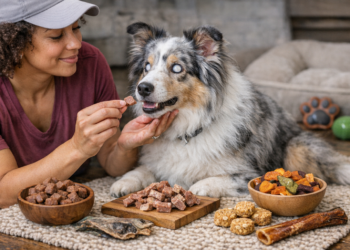


The Art of Shaping: Using Tiny Treats to Build Complex Behaviors
Teaching your pet new behaviors can be a fun and rewarding experience. Using tiny treats to shape these behaviors can help your furry friend learn more effectively. This article explores how to use small rewards to foster complex actions in your pet, making training enjoyable for both you and your animal.
Why This Topic Matters for Pet Parents
Understanding the art of shaping behavior with treats is essential for pet owners. It helps create a positive learning environment and strengthens the bond between you and your pet. Additionally, effective training can lead to:
- Better obedience and manners.
- A happy and mentally stimulated pet.
- Reduced behavioral problems.
Key Insights
Here are some important points to consider when using tiny treats in training:
- Treat size matters: Smaller treats keep training sessions fast and focused.
- Consistency is key: Use the same cue words and hand signals during training.
- Timing is everything: Reward your pet immediately after they perform the desired behavior.
- Build gradually: Start with simple commands and increase complexity over time.
- Stay patient: Every pet learns at their own pace. Celebrate small victories!
Expert Tips
Veterinarians and animal behaviorists recommend the following strategies for effective training using tiny treats:
- Choose high-value treats: Use soft, stinky, or favorite options to grab your pet’s attention.
- Limit treat size: Keep treats small (the size of a pea) to prevent overfeeding.
- Incorporate play: Combine training with fun activities to make learning enjoyable.
- Vary your treats: Use different treats to keep your pet interested and engaged.
- Monitor weight: Ensure your pet stays at a healthy weight by adjusting meal sizes.
Best Products or Treat Types
When selecting treats for training, consider these types:
- Soft chews: Easy to chew and quick to consume.
- Training sticks: Ideal for longer training sessions, these can be broken into smaller pieces.
- Freeze-dried proteins: High in protein and very appealing to most pets.
- Homemade treats: Simple recipes can use healthy ingredients, tailored to your pet’s taste.
Common Mistakes to Avoid
Training can sometimes be frustrating if you fall into these common traps:
- Using large treats: They can slow down training and lead to overfeeding.
- Inconsistent rewards: Mixing up when you reward can confuse your pet.
- Focusing too much on complex commands: Start simple, then build up complexity.
- Neglecting your own cues: Ensure you use clear and consistent signals for your pet.
- Failing to praise: Don’t forget to use verbal praise along with treats!
FAQs
1. How often should I train my pet?
Short, frequent sessions of about 5-10 minutes are ideal. Training 2-3 times a day works well.
2. Can I use my pet’s regular food as treats?
Yes! Using your pet’s regular kibble is a great way to reward them without adding extra calories.
3. What if my pet doesn’t seem interested in treats?
Try different types of treats or toys. Some pets may respond better to play as a reward.
4. How can I tell if I’m rewarding too often?
Watch your pet’s weight and overall health. Adjust treat usage if necessary to maintain a healthy diet.
5. Is it okay to use treats for all types of training?
Treats are effective for most training, but always combine them with verbal praise and affection.
6. What are the best times to train my pet?
Train when your pet is alert and focused, often before meals or after a walk.
Conclusion
Using tiny treats to shape behaviors is a powerful method for pet training. With patience, consistency, and a few expert tips, you can successfully teach your pet complex behaviors. Remember, the journey of training should be enjoyable for both you and your furry friend. Embrace the process and celebrate each small victory, making the bond between you and your pet even stronger.