
Debunking the Myth: Do Treats Cause Hyperactivity in Dogs?
Many dog owners wonder if giving their furry friends treats can lead to hyperactivity. This article explores this common concern, providing evidence and insight for pet parents. Understanding the relationship between treats and dog behavior is key to nurturing happy, healthy pets.
Why This Topic Matters for Pet Parents
As pet parents, we want what’s best for our dogs. Recognizing how treats affect their behavior is critical for several reasons:
- Promotes healthy habits for you and your dog.
- Aids in training and managing behavioral issues.
- Improves your overall relationship with your pet.
Key Insights
Here are some essential points to understand the relationship between treats and hyperactivity:
- Not All Treats Are Equal: Some treats are high in sugar or artificial ingredients, which can affect energy levels.
- Individual Reactions Vary: Each dog may respond differently to treats based on size, age, and health.
- Environmental Factors Matter: Hyperactivity can also stem from a lack of exercise, routine, and mental stimulation.
- Diet Plays a Role: A well-balanced diet can help maintain stable energy levels in dogs.
- Training and Socialization: Proper training can mitigate hyperactive behaviors irrespective of treat intake.
Expert Tips
Veterinarians suggest the following to manage your dog’s energy and treat intake:
- Choose Healthy Treats: Look for treats with natural ingredients and no added sugars.
- Moderation Is Key: Treats should make up no more than 10% of your dog’s daily caloric intake.
- Consider Size: Adjust treat sizes based on your dog’s weight and nutritional needs.
- Regular Exercise: Ensure your dog gets daily exercise to channel their energy positively.
- Watch for Behavioral Changes: Keep an eye on how your dog reacts to different treats.
Best Products or Treat Types
When selecting treats for your dog, consider these types that are generally well-received:
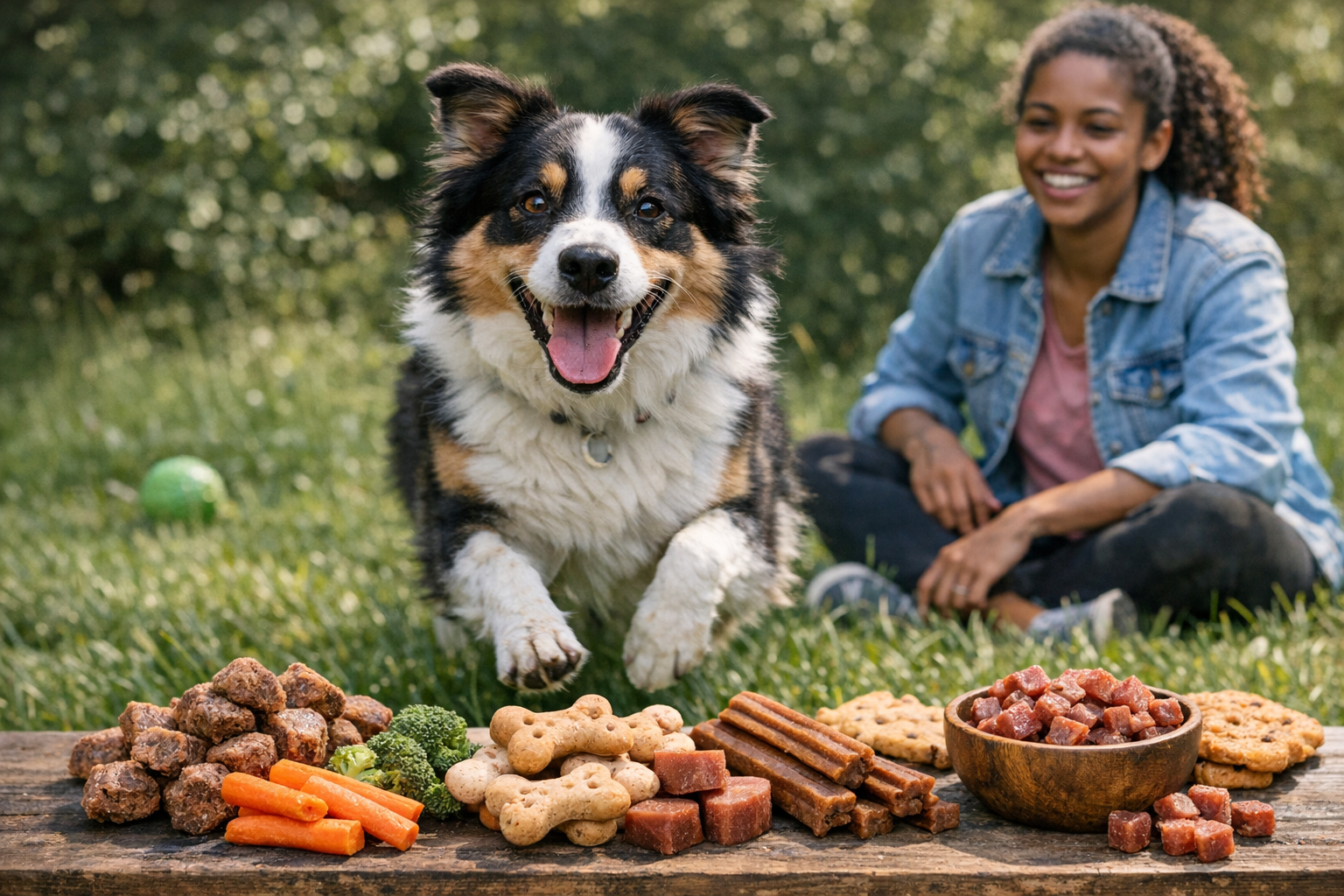
- Soft Chews: Great for training and easy on teeth.
- Dental Treats: Helps improve oral hygiene and can keep dogs engaged.
- Freeze-Dried Meat Treats: High in protein and usually have minimal ingredients.
- Vegetable Snacks: Crunchy veggies like carrots can be a low-calorie option.
- Homemade Treats: You can control all the ingredients, ensuring they’re healthy.
Common Mistakes to Avoid
To keep your dog healthy and balanced, avoid these common treat-related mistakes:
- Overdoing Treats: Too many treats can lead to obesity and other health problems.
- Ignoring Labels: Always read ingredient lists to avoid unhealthy additives.
- Using Treats as Sole Rewards: Combine treats with verbal praise and playtime for better reinforcement.
- Forgetting Portion Control: Adjust portions based on activity level and dietary needs.
- Neglecting Dietary Needs: Consider any allergies or health conditions when selecting treats.
FAQs
Q: Can treats really make my dog hyperactive?
A: Treats themselves often don’t cause hyperactivity, but sugary or high-calorie treats can contribute to short bursts of energy, especially if given in excess.
Q: What should I look for in dog treats?
A: Aim for treats made with natural ingredients, minimal additives, and appropriate calorie content for your dog’s size and health.
Q: How do I keep my dog calm if they get excited after treats?
A: Ensure your dog has a safe and calm environment, and consider structured exercise or training after treat time.
Q: Can I give my dog human food as a treat?
A: Some human foods are safe for dogs, such as carrots and apples. Always research what’s safe and avoid toxic foods like chocolate and grapes.
Q: How often should I give my dog treats?
A: Treats should be an occasional reward and should not exceed 10% of your dog’s daily caloric intake.
Q: Is it okay to switch types of treats frequently?
A: Yes, but do it gradually to avoid digestive upset and observe how your dog reacts to new treats.
Conclusion
The notion that treats cause hyperactivity in dogs is not entirely accurate. While certain treats with high sugar or artificial components can have an impact, the overall behavior of your dog is influenced by many factors. By choosing healthier treats, providing proper exercise, and fostering a structured environment, pet parents can maintain their dog’s happiness without falling into myths. Understanding your dog’s needs will allow for a strong, nurturing bond that promotes wellness and joy.