
Using Treats to Build a Solid Bond with a Newly Adopted Dog
Adopting a new dog is an exciting adventure, but building a strong bond may take time. Using treats wisely can help you connect with your furry friend, making the transition smoother for both of you. In this article, we’ll explore how to use treats effectively to strengthen your relationship with your newly adopted dog.
Why This Topic Matters for Pet Parents
Building a bond with your new dog is essential for their happiness and well-being. A strong relationship can lead to improved trust and better behavior. Using treats helps create positive experiences, making your dog feel safe in their new environment.
Key Insights
Here are some important points to consider when using treats to bond with your dog:
- Positive Reinforcement: Treats encourage good behavior and learning.
- Building Trust: Treats help your dog associate you with rewards.
- Socialization: Treats can facilitate interactions with other people and pets.
- Health Benefits: Choosing healthy treats enhances your dog’s diet.
- Variety is Key: Different treats keep your dog engaged and interested.
Expert Tips
Here are some veterinarian-style recommendations for using treats effectively:
1. **Choose Wisely**: Select treats that are healthy and appropriate for your dog’s size and age. Avoid treats with harmful ingredients like artificial flavors or preservatives.
2. **Use Treats for Training**: Incorporate treats during training sessions to reinforce commands. For example, reward your dog for sitting, staying, or coming when called.
3. **Start Slow**: Initially, use treats for simple tasks like sitting or shaking hands. As your dog learns, increase the complexity of the commands.
4. **Be Consistent**: Use the same command and reward system every time. This helps your dog understand what is expected.
5. **Timing Matters**: Offer a treat immediately after your dog performs the desired behavior. Quick rewards help create a clear connection between the action and the treat.
6. **Limit Treats**: While treats are great, they should make up no more than 10% of your dog’s daily caloric intake. Over-treating can lead to health issues.
7. **Stay Positive**: Even if your dog doesn’t get it right away, be patient. Keep the experience positive, and don’t punish your dog if they are slow to learn.
Best Products or Treat Types
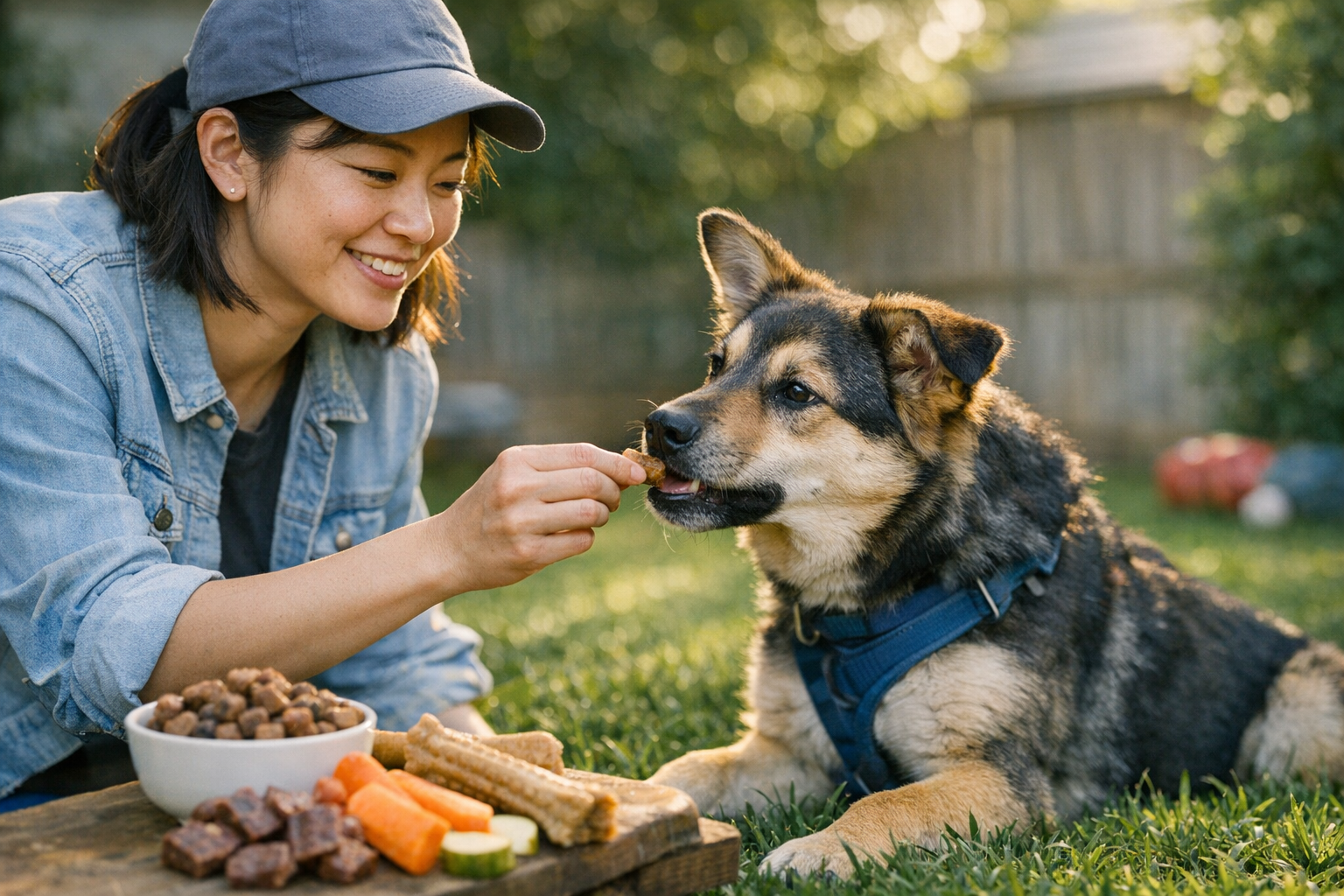
When choosing treats, consider a variety of options that are healthy and appealing. Here are some recommendations:
– **Soft Training Treats**: These are small and easy to chew, perfect for training sessions.
– **Freeze-Dried Meats**: High in protein and enticing for dogs, these are often loved by picky eaters.
– **Vegetable Snacks**: Many dogs enjoy crunchy veggies like carrots or sweet potatoes, which are low in calories.
– **Dental Chews**: These help clean teeth while providing a tasty treat.
– **Homemade Treats**: You can make treats at home using healthy ingredients like oats, peanut butter, and pumpkin.
Common Mistakes to Avoid
Avoid these pitfalls when using treats with your newly adopted dog:
1. **Overdoing It**: Giving too many treats can lead to obesity, so keep track of your dog’s intake.
2. **Ignoring Allergies**: Some dogs may have food allergies. Always check for ingredients and consult your vet if unsure.
3. **Inconsistent Rewards**: Make sure to reward behaviors consistently. Mixed signals can confuse your dog.
4. **Relying Solely on Treats**: Treats shouldn’t be the only way you bond. Engage in play, cuddles, and other activities too.
5. **Neglecting Quality**: Treats should be nutritious. Avoid those with fillers and artificial ingredients.
FAQs
1. **How many treats can I give my dog each day?**
– Treats should make up no more than 10% of your dog’s daily calories. Consult your vet for precise recommendations.
2. **Can I use human food as dog treats?**
– Some human foods are safe for dogs, like carrots and plain cooked chicken. Always check what’s safe and avoid harmful foods like chocolate.
3. **What if my dog isn’t interested in treats?**
– Try different types of treats or consider toys that dispense treats. Some dogs may prefer playtime or praise over food.
4. **How can I introduce treats for training?**
– Start with simple commands and reward immediately. Gradually increase difficulty as your dog becomes more comfortable.
5. **What should I do if my dog becomes overweight from treats?**
– Reduce treat size and quantity, and consult your vet for a proper diet and exercise plan.
6. **Is it okay to give treats for no reason?**
– Yes! Just ensure it’s in moderation. Unconditional love and occasional treats solidify your bond.
Conclusion
Using treats is a fun and effective way to bond with your newly adopted dog. When done correctly, it strengthens your relationship and fosters trust. Remember to choose healthy options, be consistent, and combine treats with other forms of love and attention. Your furry friend will appreciate it, and together, you’ll embark on a joyful journey!