
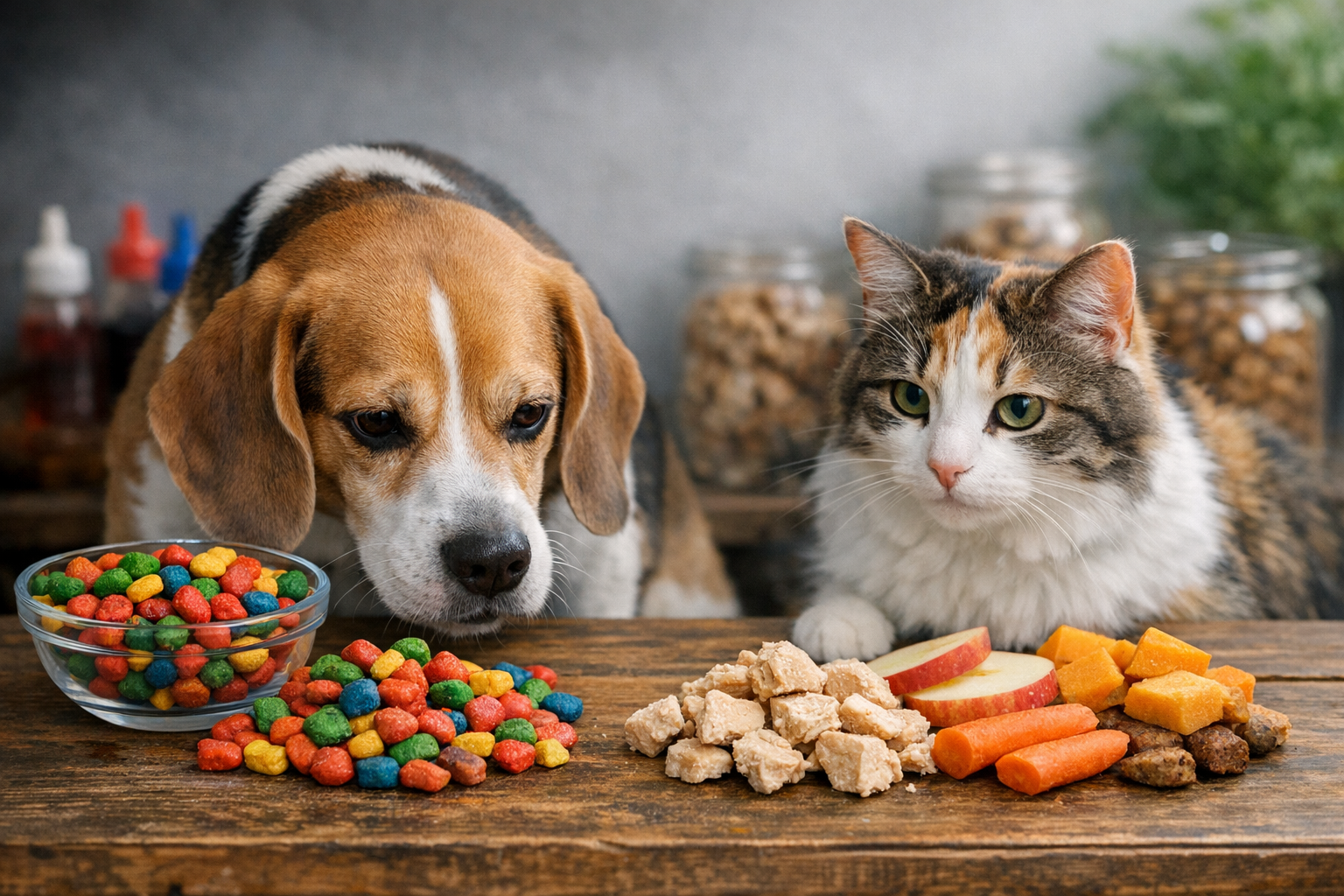
The Truth About FD&C Dyes in Pet Treats and Their Health Risks
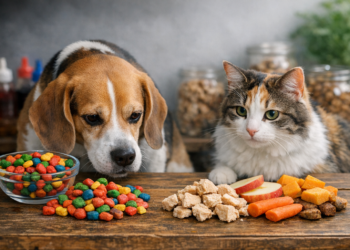
Many pet parents want the best for their furry friends. This includes selecting safe and healthy treats. Unfortunately, some types of pet treats contain artificial colors, known as FD&C dyes, which can pose health risks. In this article, we will explore the truth about these dyes, their potential impacts on pet health, and how to choose better options for your pets.
Why This Topic Matters for Pet Parents
Understanding FD&C dyes is essential for pet owners who want to keep their pets healthy. Many commercial pet treats use these colors to make products look appealing. However, the safety of such dyes remains a concern.
- Many pets have allergies or sensitivities that can worsen with synthetic dyes.
- Some studies link FD&C dyes to health issues like hyperactivity in pets.
- Choosing natural ingredients can lead to better overall health for your pet.
Key Insights
- FD&C dyes are artificial colors approved for use in food and pet products.
- Commonly used dyes include Red 40, Yellow 5, and Blue 1.
- Some pets may experience allergic reactions to these dyes, such as itching or digestive issues.
- Research suggests that some artificial colors may be linked to behavioral problems in pets.
- Natural color alternatives exist and can be better for pet health and wellness.
Expert Tips
Here are some veterinarian-style recommendations for choosing the right treats for your pets:
- Check the ingredient list. Look for treats without FD&C dyes or artificial colors.
- Opt for treats with whole food ingredients. Fruits, veggies, and meat are good choices.
- Be aware of your pet’s specific health needs. Some pets may have allergies or sensitivities.
- Consult with your veterinarian. They can provide personalized advice based on your pet’s health.
- Choose treats that are labeled as “natural” or “organic” whenever possible.
Best Products or Treat Types
While we won’t promote specific brands, here are some treat types you can consider for your pets:
- Freeze-dried treats made from single ingredients like chicken or fish.
- Vegetable-based chews that do not contain artificial ingredients.
- Fruit-flavored snacks using natural compounds (e.g., apple or pumpkin).
- Homemade treats made with wholesome, natural ingredients.
Common Mistakes to Avoid
Here are some frequent errors pet parents make regarding treats:
- Ignoring the ingredient list—always read it to check for artificial components.
- Assuming “colorful” treats are better—dogs and cats don’t care about color; they want flavor.
- Not considering allergies—if your pet shows unusual signs, evaluate their treats.
- Choosing treats solely based on price—sometimes, paying a little more for quality is better.
FAQs
1. What are FD&C dyes?
FD&C dyes are synthetic colors approved by the Food and Drug Administration (FDA) for use in food, drugs, and cosmetics, including pet treats. They are often labeled as certified colors.
2. Are FD&C dyes harmful to pets?
While FDA-approved, there are concerns that some pets can have adverse reactions to these dyes. Allergies, hyperactivity, and digestive issues have been reported by some pet owners.
3. How can I tell if my pet is having a reaction to dyes?
Signs may include itching, excessive licking, vomiting, diarrhea, or behavioral changes. If you notice these symptoms, consult your veterinarian.
4. Are there natural alternatives to FD&C dyes?
Yes, there are alternatives like beet juice powder, turmeric, and spirulina that can naturally color pet treats without synthetic ingredients.
5. Do all pet treats contain FD&C dyes?
No, not all pet treats contain these dyes. Many natural and organic treats avoid them altogether. Always read labels to be sure.
Conclusion
Understanding the implications of FD&C dyes in pet treats is vital for ensuring the health and well-being of your furry companions. By making informed choices and opting for natural alternatives, you can significantly minimize the risks associated with artificial colors. Always prioritize quality ingredients, seek your veterinarian’s advice, and choose treats that promote overall health, ensuring a happy and thriving life for your beloved pets.