

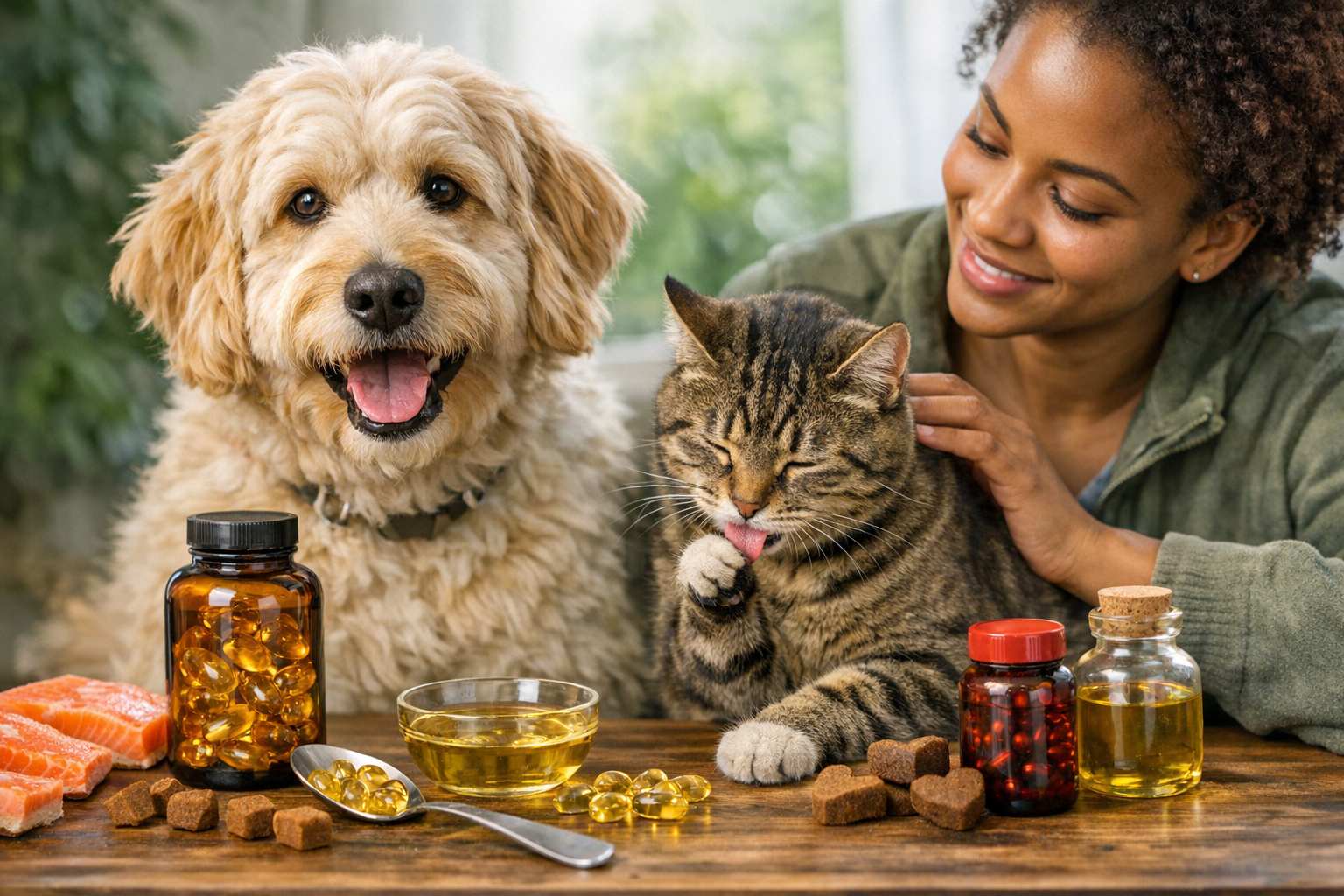
The Role of Omega-3s in Treating Pet Skin Inflammation and Allergies
Omega-3 fatty acids can play a vital role in managing skin inflammation and allergies in pets. By understanding how these essential nutrients work, pet parents can support their furry friends in leading healthier, more comfortable lives.
Why This Topic Matters for Pet Parents
Dealing with skin issues or allergies in pets can be frustrating for both pets and their owners. Skin problems often lead to itching, discomfort, and secondary infections. Understanding the role of Omega-3s can help provide relief and improve your pet’s quality of life. Here’s why you should pay attention:
- Skin health is essential for overall well-being.
- Many pets suffer from allergies that cause skin issues.
- Omega-3s can reduce inflammation and itching.
Key Insights
Here are some important facts about Omega-3 fatty acids and how they help pets with skin inflammation and allergies:
- Types of Omega-3s: The most beneficial Omega-3s for pets are EPA (eicosapentaenoic acid) and DHA (docosahexaenoic acid).
- Sources: Omega-3s are found in fish oil, flaxseed oil, and krill oil.
- Anti-inflammatory: Omega-3s help reduce inflammation, which can soothe irritated skin.
- Dry Skin Relief: They can help combat dryness, leading to healthier fur and skin.
- Immune Support: Omega-3s can enhance a pet’s immune response, making them less susceptible to allergies.
Expert Tips
Here are some veterinarian-style recommendations for incorporating Omega-3s into your pet’s diet:
- Consult Your Vet: Always talk to your veterinarian before adding supplements to your pet’s diet.
- Start Slowly: Introduce Omega-3s gradually to avoid stomach upset.
- Look for High-Quality Sources: Choose products that specify the amount of EPA and DHA per serving.
- Dietary Balance: Ensure your pet’s overall diet is balanced; Omega-3s should complement their regular food.
- Observe Changes: Monitor your pet for improvements in skin condition and itching after introducing Omega-3s.
Best Products or Treat Types
When considering options for Omega-3 supplementation, look for these types of products:
- Fish Oil Capsules: These are rich in EPA and DHA and can easily be added to food.
- Liquid Fish Oil: A great option for picky eaters; it can be mixed into your pet’s food.
- Flaxseed Oil: A plant-based alternative that contains ALA, which can convert to Omega-3s in the body.
- Omega-3 Chews or Treats: Look for specially formulated treats that are high in Omega-3s.
- Krill Oil: Another rich source of Omega-3s, often easier to digest than fish oil.
Common Mistakes to Avoid
Making mistakes when adding Omega-3s to your pet’s diet can hinder their effectiveness or even cause harm. Here are some common pitfalls to avoid:
- Overdosing: Too much Omega-3 can lead to stomach issues and bleeding problems.
- Ignoring Quality: Not all supplements are created equal; choose high-quality products.
- Neglecting Other Aspects: Relying solely on Omega-3s without dietary balance and other treatments can be ineffective.
- Inconsistent Use: Failing to regularly administer Omega-3s can prevent seeing positive results.
- Forgetting to Consult the Vet: Always seek professional advice before starting supplements, especially if your pet has pre-existing conditions.
FAQs
1. How long does it take to see results after giving my pet Omega-3s?
Results can vary, but many pet owners report improvements in their pet’s skin condition within 4 to 6 weeks of consistent use.
2. Can all pets take Omega-3 supplements?
While most pets can benefit from Omega-3s, pets with certain health conditions should only take them under veterinary guidance.
3. Are there side effects to Omega-3s?
Some pets may experience gastrointestinal upset or changes in stool. Starting with smaller doses can help minimize these effects.
4. Can I get Omega-3s from my pet’s regular food?
Some commercial pet foods contain Omega-3s, but the levels may not be sufficient for treating inflammation. Check ingredient labels.
5. Are Omega-3s safe for cats?
Yes, Omega-3s can be beneficial for cats as well, but always consult your vet for the appropriate dosage and source.
Conclusion
Omega-3 fatty acids offer a promising approach to managing skin inflammation and allergies in pets. By using high-quality sources, following veterinarian advice, and keeping an eye on your pet’s response, you can help them find relief from uncomfortable skin issues. Remember to consider these tips and insights as part of a broader strategy to maintain your pet’s health and happiness.