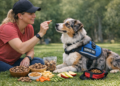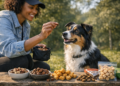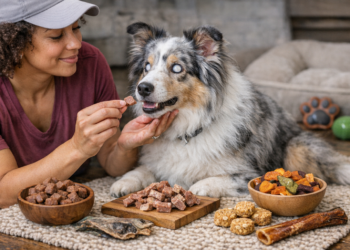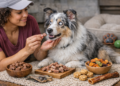

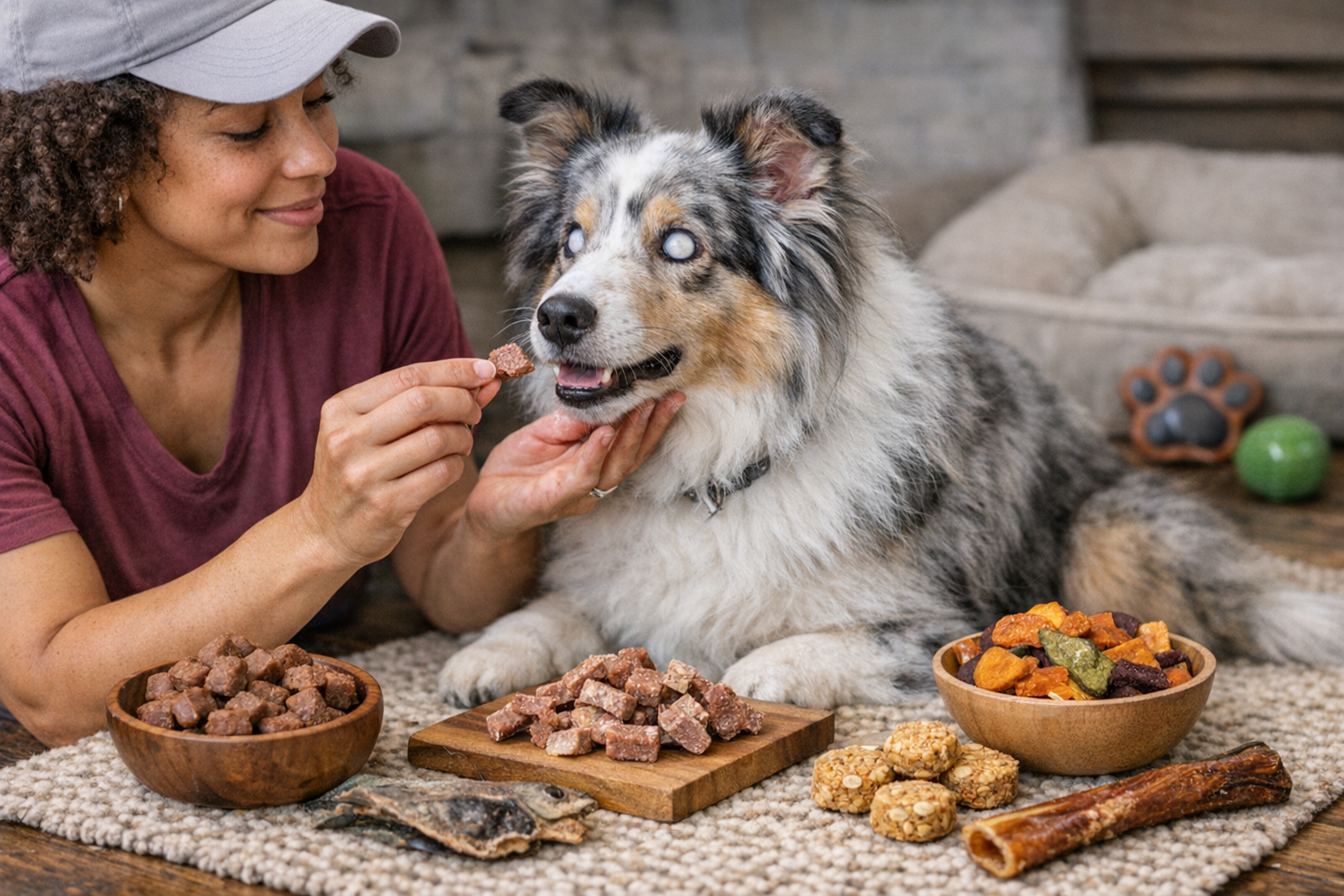
The Best Training Treats for Deaf and Blind Dogs (Scent and Texture)
Training a dog without sight or hearing can be a unique challenge. Choosing the right treats that appeal to their other senses—like scent and texture—can make a big difference. In this article, we’ll explore the best training treats for deaf and blind dogs and how to use them effectively.
Why This Topic Matters for Pet Parents
Understanding how to train a deaf or blind dog helps ensure their well-being and enriches their lives. Using treats that appeal to their senses can strengthen your bond and provide positive reinforcement. Here are some reasons why this topic is crucial:
- Helps with communication and training techniques.
- Reduces frustration for both pet and owner.
- Enhances your dog’s quality of life through mental stimulation.
Key Insights
- Dogs rely heavily on their senses for learning.
- Using strong-smelling, flavorful treats can capture their attention.
- Soft or chewy textures are often easier for dogs to manage.
- Training in a quiet, distraction-free area can enhance learning.
Expert Tips
Veterinarians and dog trainers recommend several effective techniques for using treats with deaf and blind dogs:
- Focus on High-Value Treats: Use treats that your dog finds particularly enticing. Examples include liver treats or cheese.
- Consider Texture: A variety of textures can keep training sessions fun. Some dogs prefer chewy, while others enjoy crunchy treats.
- Be Consistent: Always use the same treats for specific commands to help your dog learn faster.
- Combine Treats with Touch: Pair treats with gentle pets or positive touches to reinforce good behavior.
- Practice in Short Sessions: Keep training sessions brief but frequent to maintain your dog’s interest and energy levels.
Best Products or Treat Types
When selecting treats for deaf and blind dogs, consider the following types:
- Scented Soft Chews: These chewy, aromatic treats are easy for dogs to handle and often very enticing.
- Freeze-Dried Meat: Highly nutritious and full of flavor, freeze-dried treats appeal strongly to a dog’s sense of smell.
- Dehydrated Vegetables: Crunchy and full of flavor, these can provide a healthy treat option with a unique texture.
- Homemade Peanut Butter Treats: Simple recipes using peanut butter, oats, and flour can create tasty, texture-rich rewards.
- Long-Lasting Chews: Natural chews like bully sticks or dried fish can keep your dog engaged for longer periods.
Common Mistakes to Avoid
When treating your deaf or blind dog, be aware of common training mistakes:
- Overusing Treats: Avoid giving too many treats during training, as it may lead to obesity.
- Ignoring Sensitivity: Some dogs may have allergies or sensitivities; always check ingredient labels.
- Neglecting Texture Variety: Sticking to just one type of treat can lead to boredom; mix up textures.
- Forgetting Positive Interaction: Don’t rely solely on treats; combine them with physical affection and praise.
- Skipping Training Sessions: Regular training is vital for reinforcing learning and creating a routine.
FAQs
1. What are the best types of treats for training deaf and blind dogs?
Scented soft chews and freeze-dried meat are excellent choices due to their strong smell and appealing texture.
2. How can I train my deaf dog without sounds?
Use visual cues or hand signals along with treats to reinforce learning and communication.
3. Are there specific treats to avoid for blind and deaf dogs?
Avoid overly hard treats that may be difficult to chew or treats with common allergens for your dog.
4. How often should I use treats during training?
Use treats sparingly to maintain motivation but make sure to balance them with praise and physical affection.
5. Can I make homemade treats for my deaf and blind dog?
Yes! Homemade treats allow you to control ingredients and tailor flavors and textures to your dog’s preferences.
6. How do I know if a treat is suitable for my dog?
Check the ingredients for allergens, avoid artificial additives, and consider your dog’s individual dietary needs.
Conclusion
Training deaf and blind dogs can be challenging, but with the right tools and techniques, it becomes easier and more rewarding. Choosing training treats that focus on scent and texture will help engage your dog and facilitate learning. Remember to maintain a consistent routine and mix up treat variety to keep your dog motivated. By understanding your dog’s unique needs, you can create a positive training environment that enhances your bond and helps your furry friend thrive.