
Top 5 Treats Made with Ancient Grains (Quinoa, Millet, Amaranth)
Ancient grains like quinoa, millet, and amaranth have gained popularity in pet treats. They are nutritious, gluten-free, and provide a great alternative to common grains. This article explores the benefits of these grains and highlights top treats for your furry friends.
Why This Topic Matters for Pet Parents
Choosing the right treats for your pet is essential for their overall health. Ancient grains offer many benefits for pets, especially if they have food sensitivities or dietary restrictions. Understanding what goes into your pet’s food can help you make better choices.
Key Insights
- Nutritional Benefits: Ancient grains are rich in fiber, protein, and essential vitamins.
- Gluten-Free Alternatives: They are suitable for pets with gluten sensitivities.
- Healthy Digestion: Ancient grains aid in digestive health and promote gut flora.
- Variety in Diet: Incorporating these grains provides a diverse nutrient profile.
- Natural Ingredients: Many pet treats made with ancient grains use fewer additives and preservatives.
Expert Tips
Here are some veterinarian-style recommendations for choosing treats made with ancient grains:
- Read Labels: Always check the ingredient list. Look for whole grains rather than processed versions.
- Moderation is Key: Treats should only make up about 10% of your pet’s daily diet.
- Monitor Reactions: Introduce new treats gradually and watch for any allergic reactions or digestive issues.
- Consider Age and Activity Level: Select treats that match your pet’s health status and activity needs.
Best Products or Treat Types
Here are some popular treat types made with ancient grains to consider for your pet:
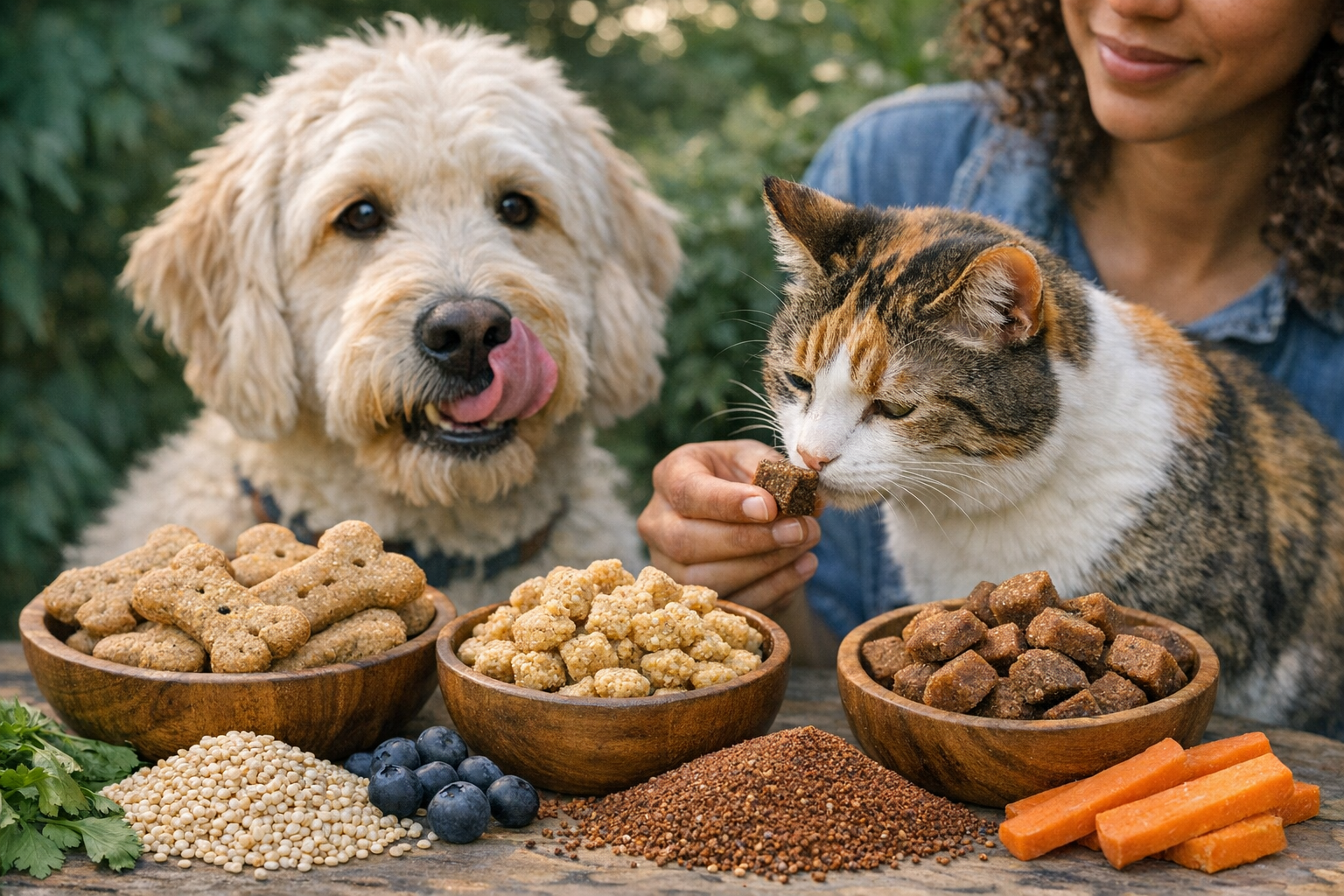
- Quinoa Biscuits: These crunchy treats are high in protein and fiber.
- Millet Crunchies: Light and crispy, they’re great for training or snacking.
- Amaranth Soft Chews: These chewy treats are easy on the teeth and digestion.
- Mixes with Fruits or Vegetables: Look for options that combine ancient grains with nutrient-rich additions like blueberries or carrots.
- Homemade Treats: Consider baking your own treats using ancient grains, ensuring control over ingredients.
Common Mistakes to Avoid
Here are some pitfalls pet parents often face when selecting treats with ancient grains:
- Ignoring Ingredients: Not paying attention to fillers or artificial additives.
- Overfeeding Treats: Giving too many treats can lead to weight gain.
- Skipping Variety: Sticking to one type of treat can miss out on diverse nutrients.
- Not Consulting a Vet: Failing to discuss dietary changes with a veterinarian, especially for pets with special needs.
FAQs
- 1. Are ancient grains beneficial for all pets?
- Most pets can benefit from ancient grains. However, it’s best to consult your vet, especially for pets with specific dietary requirements.
- 2. Can I make homemade treats with ancient grains?
- Yes! Many pet parents find success in using ancient grains to create healthy, homemade treats.
- 3. How can I tell if my pet likes a new treat?
- Introduce the treat in small amounts and observe their reaction. If they eat it eagerly, it’s likely a hit!
- 4. Do ancient grain treats have any allergens?
- While ancient grains are generally hypoallergenic, some pets may have sensitivities. Always monitor for allergic reactions when trying new treats.
- 5. Should I limit the amount of ancient grain treats?
- Yes, treats should only make up a small portion of your pet’s diet to maintain a balanced nutrition.
Conclusion
Ancient grains like quinoa, millet, and amaranth provide a healthy and nutritious option for your pet’s treats. They offer numerous benefits, including being gluten-free and high in essential nutrients. By choosing the right options and following expert tips, you can ensure your furry friend enjoys a tasty treat that contributes to their overall health. Always consult with your veterinarian to find the best dietary solutions for your beloved pets.