
Teaching Children to Safely Give Treats to the Family Pet
Teaching children how to safely give treats to family pets is important for the well-being of both kids and animals. It fosters a sense of responsibility in children while ensuring that pet interactions are positive and safe. Proper training not only keeps pets happy but also prevents accidents and misunderstandings.
Why This Topic Matters for Pet Parents
As a pet parent, you want your furry friends to be safe and loved. Teaching children to give treats correctly helps achieve this goal. Here are a few reasons why this topic is important:
- Promotes a safe environment for pets and children.
- Builds a strong bond between kids and their pets.
- Encourages responsible pet ownership.
Key Insights
To make treat-giving a safe activity, consider the following key insights:
- Animals can be unpredictable; understanding pet body language is crucial.
- Some treats may not be suitable for certain pets; know the dietary restrictions.
- Supervision is key; always watch your child while they interact with pets.
- Establish a set routine for treat-giving to promote consistency.
Expert Tips
Veterinarians suggest several strategies to help children safely give treats to pets:
- Teach Pet Body Language: Explain signs like wagging tails, growling, or ears back. Help kids recognize when a pet is happy or anxious.
- Choose Healthy Treats: Opt for treats that are low in calories and made from all-natural ingredients. This promotes health along with good behavior.
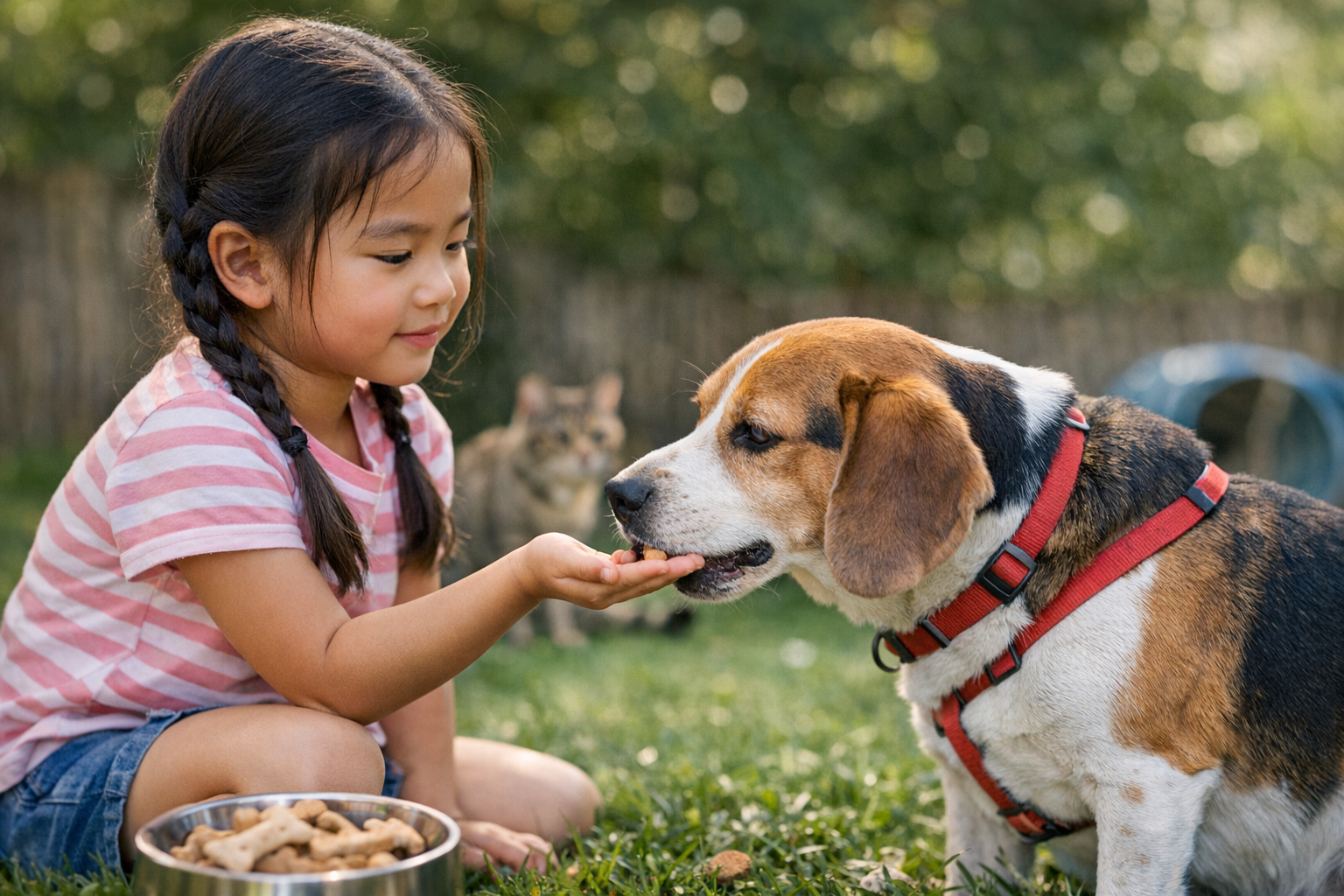
- Instruct on Proper Hand Positioning: Show kids how to hold treats flat in their palm. This keeps fingers safe and allows pets to take the treat gently.
- Encourage Calmness: Teach kids to remain calm when giving treats. An excited child may startle the pet, leading to unwanted behavior.
- Supervise Interactions: Always monitor treat-giving sessions, especially with younger children and new pets.
Best Products or Treat Types
When selecting treats, consider these types that are safe and appealing for pets:
- All-Natural Dog Treats: Look for options made from simple ingredients like peanut butter or pumpkin.
- Training Treats: These are small, soft, and low in calories, making them great for rewards.
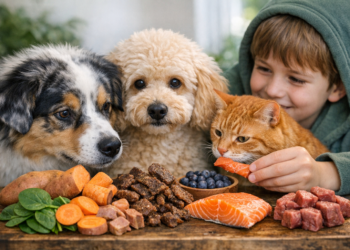
- Veggie-Based Chews: Dogs and cats may enjoy chews made from sweet potatoes or carrots.
- Healthy Cat Treats: Opt for natural fish or chicken-flavored treats that satisfy a cat’s urge to hunt.
Common Mistakes to Avoid
To ensure safe and happy moments with pets, avoid these common mistakes:
- Giving treats without supervision—always watch interactions.
- Ignoring a pet’s body language—learn the signs of stress or excitement.
- Offering treats that are not suitable—check for allergies or diet requirements.
- Over-treating—treats should only make up a small portion of a pet’s diet.
FAQs
Q1: What are safe treats for pets?
A: Safe treats are usually made with natural ingredients. Look for treats meant for the specific type of pet you own.
Q2: How can I teach my child to recognize pet body language?
A: Use books, videos, or live examples to teach children about signs of happiness and stress in animals.
Q3: Can children give treats to any pet?
A: Not all pets are comfortable receiving treats from children. Identify pets that are friendly and sociable.
Q4: What should I do if a pet snaps at my child for a treat?
A: Remain calm, remove the child from the situation, and gently assess the pet’s mood. Consult a veterinarian if necessary.
Q5: How can I encourage my child to give treats responsibly?
A: Set clear rules about treat-giving, and reward your child for following those rules to build positive habits.
Conclusion
Teaching children to safely give treats to family pets is a valuable skill that promotes love and responsibility. By understanding pet body language, selecting appropriate treats, and practicing patience, you can create a harmonious environment where both children and pets thrive. Remember to make the experience enjoyable and safe, for everyone involved!