

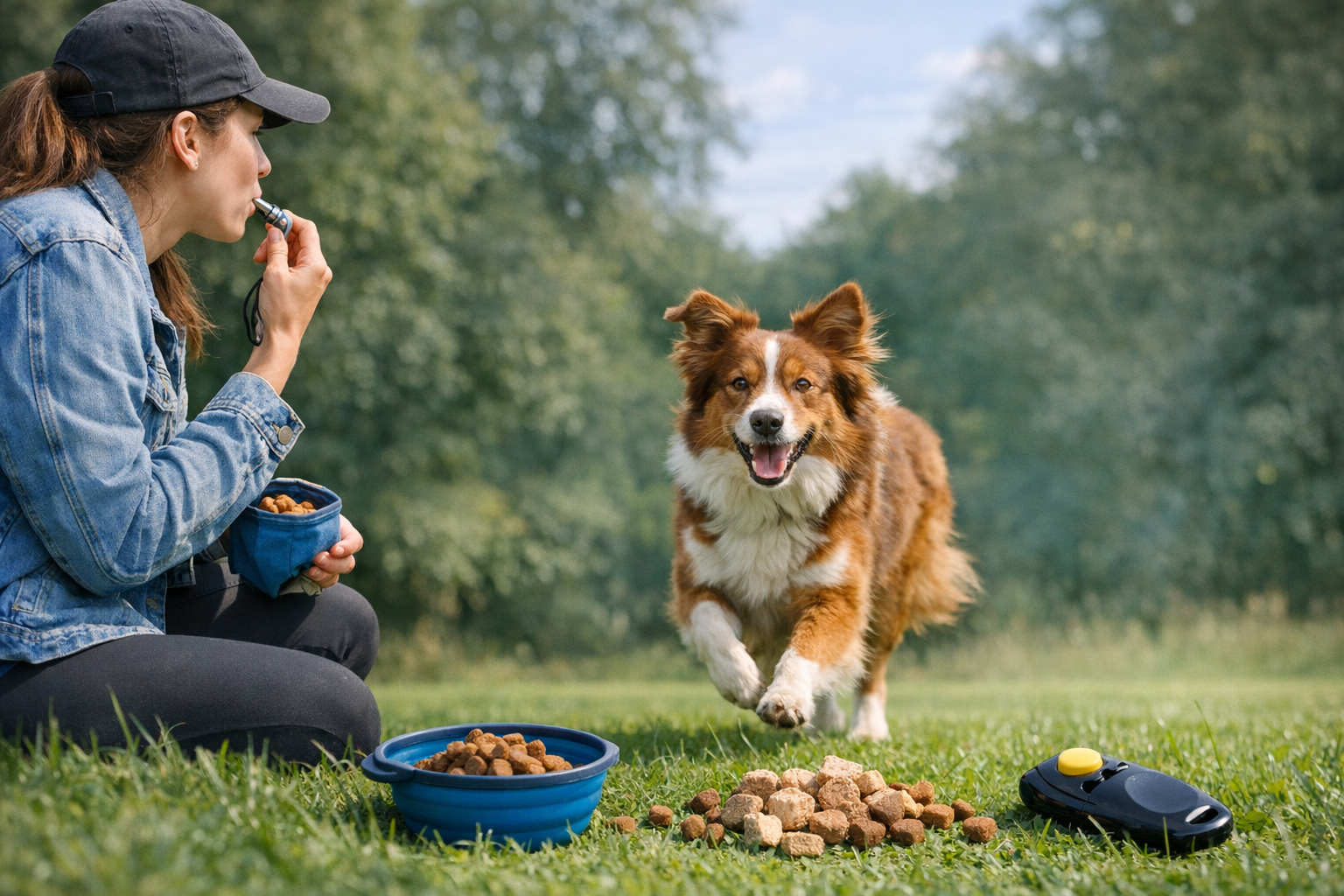
Introducing the Whistle: Pairing Sound with Treats for Recall
The Whistle method combines a simple sound cue with tasty treats to improve your pet’s recall skills. This technique helps teach your furry friends to come when called, enhancing their safety and your peace of mind. Let’s explore why this is important and how to make it work for you and your pet!
Why This Topic Matters for Pet Parents
Teaching your pet to respond to recall commands is crucial for their safety. Here are a few reasons why using sound with treats is a game changer:
- Improves safety by ensuring your pet comes back to you.
- Enhances the bond between you and your pet through positive reinforcement.
- Makes training fun and interactive for both of you.
Key Insights
Understanding how to effectively combine sound and treats can transform your pet’s recall abilities. Here are some key insights:
- Choose a sound that is clear and distinct, like a whistle or clicker.
- Always pair the sound with a treat to create a positive association.
- Practice in a quiet place before moving to more distracting environments.
- Gradually increase the distance between you and your pet during recall training.
- Be consistent with your sound cue to avoid confusing your pet.
Expert Tips
Veterinarians and pet trainers have valuable recommendations for using the Whistle method:
- Start Slow: At first, use the whistle or sound cue in a quiet area where there are few distractions.
- Use High-Value Treats: Use your pet’s favorite treats to encourage their enthusiasm for coming back.
- Repeat Often: Consistency is key. Practice this multiple times during each training session.
- Keep Sessions Short: Aim for 5-10 minute training sessions to keep your pet engaged and interested.
- Gradually Increase Challenges: Once your pet is reliably responding, try practicing in more challenging environments.
Best Products or Treat Types
When it comes to treats, choosing the right kind can make all the difference. Here are some options that are generally well-received:
- Soft Chew Treats: These are often more enticing for dogs and easy to chew quickly.
- Freeze-Dried Treats: These are usually healthy and very flavorful, making them great for training.
- Homemade Treats: Simple recipes with healthy ingredients can be made to suit your pet’s taste.
- Small Kibble Pieces: Use your pet’s regular food if they are motivated by the chance to eat.
Common Mistakes to Avoid
Not all recall training goes smoothly. Here are some common mistakes to be cautious of:
- Inconsistent use of the sound cue, which can confuse your pet.
- Using punishments when your pet does not respond, which can create fear instead of trust.
- Practicing in overly stimulating environments before your pet is ready.
- Failing to reward promptly, which can weaken the association between the sound and the treat.
- Expecting immediate results—training takes time and patience!
FAQs
1. How long will it take for my pet to learn recall with the Whistle method?
It varies by pet, but many show improvement within a few weeks of consistent practice.
2. Can I use this method with cats?
Yes! Cats can also learn to associate sounds with treats using similar techniques.
3. What if my pet ignores the sound?
Try using a more exciting treat, or work in a less distracting environment first.
4. Is this method suitable for all dog breeds?
Yes, most breeds can benefit from this training method, but some may require more patience.
5. Can I use a smartphone app instead of a whistle?
Absolutely! Many apps have sound functions that can work well for training.
Conclusion
The Whistle method of pairing sound with treats offers an effective way to improve your pet’s recall. By understanding its importance, following expert tips, and avoiding common mistakes, you can create a fun and rewarding training experience for both you and your pet. Remember, patience and consistency are key. Happy training!