

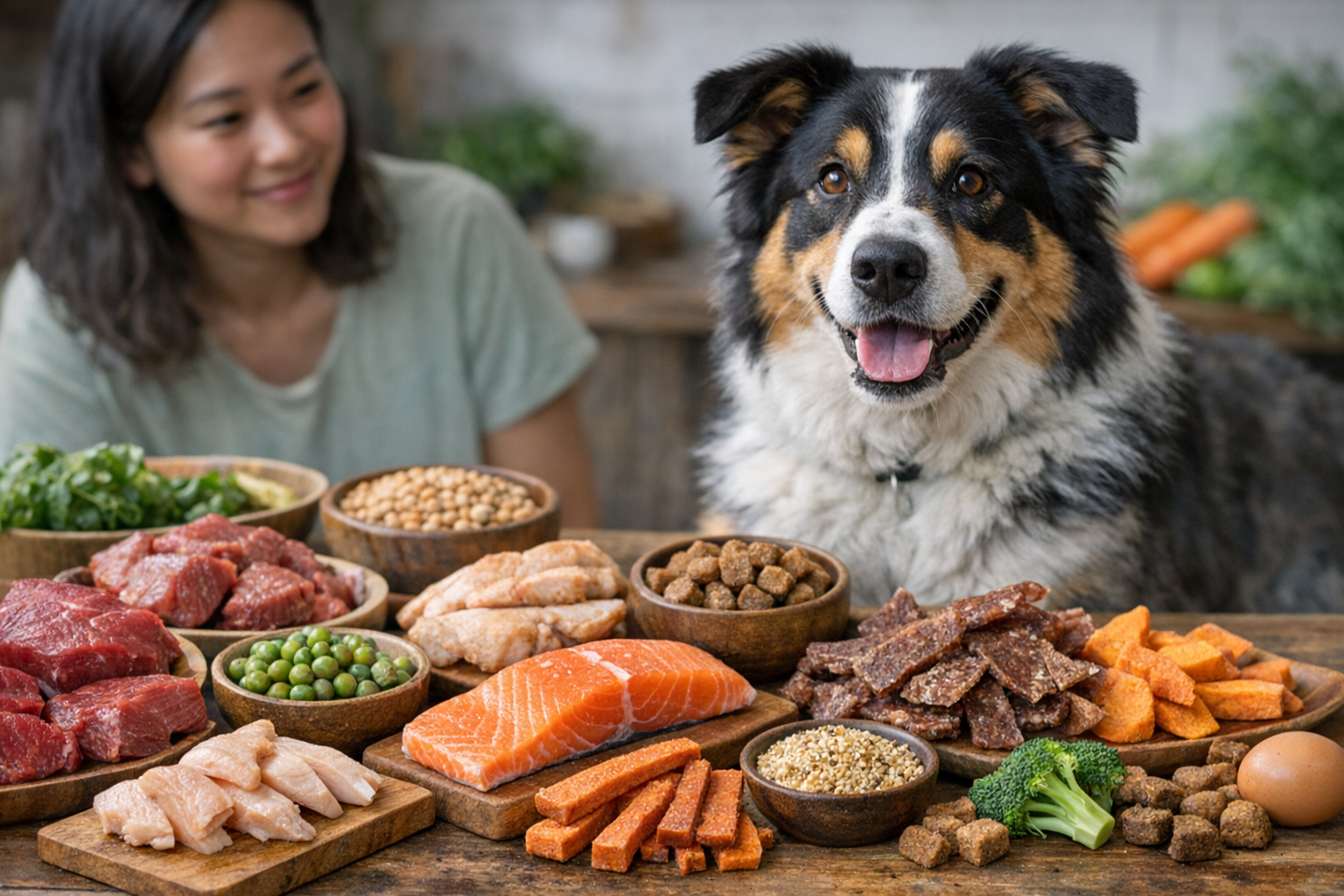
What is Crude Protein and How Much is Too Much in a Treat?
Crude protein is a key term in pet nutrition that helps pet parents understand the protein content in food and treats. Knowing how much of it is suitable for your pet is essential to their health. This article will help clarify the importance of crude protein and guide you on the right amounts for your furry friend.
Why This Topic Matters for Pet Parents
Understanding crude protein is vital for pet parents for several reasons:
- Supports your pet’s growth and development.
- Aids in maintaining a healthy weight.
- Helps prevent nutritional deficiencies.
Making informed choices about your pet’s diet can lead to a happier, healthier life. Too much or too little protein can negatively affect your pet’s well-being.
Key Insights
- What is Crude Protein? It’s a measurement of the total protein content in food, calculated by measuring nitrogen content.
- Protein Sources: Comes from both animal and plant sources like meat, fish, dairy, and legumes.
- Protein Needs: Vary by age, breed, size, and activity level.
- Too Much Protein: Can lead to kidney issues and health problems, especially in older pets.
- Balance is Key: Proper diet balance includes proteins, fats, carbohydrates, vitamins, and minerals.
Expert Tips
Veterinarians recommend several key practices when it comes to protein in pet treats:
- Know Your Pet’s Needs: Calculate your pet’s protein requirement based on their age, weight, and activity level.
- Choose Quality Ingredients: Look for treats with high-quality protein sources, such as chicken, beef, or fish.
- Monitor Total Intake: Consider the total protein intake from both food and treats combined.
- Watch for Individual Sensitivities: Some pets may have allergies or intolerances to certain protein sources.
- Consult Your Veterinarian: Always discuss dietary changes or concerns with your vet, especially for pets with health issues.
Best Products or Treat Types
When deciding on treats for your pet, consider the following options:
- High-quality meat treats: Look for treats that are primarily made from raw or cooked meat.
- Fish-based treats: Rich in omega fatty acids, beneficial for skin and coat health.
- Vegetable-based treats: Incorporate healthy plant proteins such as lentils and peas, best for pets with certain dietary restrictions.
- Limited ingredient treats: These can help manage allergies and sensitivities while providing necessary protein.
- Homemade treats: You can control the protein quality and quantity, ensuring a balanced diet.
Common Mistakes to Avoid
When it comes to protein in pet treats, avoid these common pitfalls:
- Ignoring Labels: Always check the ingredient list and guaranteed analysis on pet treats.
- Overfeeding Treats: Treats should make up no more than 10% of your pet’s daily calorie intake.
- Neglecting Variety: Relying on one protein source can lead to nutritional gaps.
- Assuming “More is Better”: Too much protein can stress your pet’s kidneys, especially in older animals.
- Not Consulting Professionals: Failing to seek veterinary advice for pets with specific health concerns may lead to serious issues.
FAQs
1. What is the ideal crude protein level for pet treats?
The ideal level varies by pet, but generally, treats should contain around 20-30% protein for dogs and slightly less for cats.
2. Can too much protein harm my pet?
Yes, excessive protein can lead to kidney issues and other health problems, particularly in senior pets.
3. How can I tell if my pet needs more protein?
Look for signs like low energy, poor coat condition, and weight loss. Consult your vet for specific advice.
4. Are there vegetarian protein options for pets?
Yes, options like lentils, peas, and quinoa can provide essential proteins for pets that have dietary restrictions.
5. Should I change my pet’s protein intake as they age?
Yes, older pets often need lower protein levels as their metabolism slows and their kidneys may become less efficient. Always check with your vet.
Conclusion
Understanding crude protein is essential for providing your pet with a balanced diet. Knowing how much protein is too much and choosing the right types of treats can enhance your pet’s health and happiness. Always consult your veterinarian for personalized advice to ensure that your furry friend is getting the best possible nutrition.