
Understanding the ‘Ash’ Content in Pet Treats and Its Nutritional Value
Ash content in pet treats may sound strange, but it can tell us a lot about the nutrition our pets are getting. This article breaks down what ash is, why it matters, and how it affects your pet’s health.
Why This Topic Matters for Pet Parents
As pet parents, we want the best for our furry friends. Understanding what goes into their treats helps us make better choices. The ash content can be a meaningful indicator of the overall quality of a pet treat. Knowing more about it can lead to healthier options for your pets.
Key Insights
- Ash Content Defined: Ash is the inorganic residue left after burning organic material. It includes minerals like calcium, phosphorus, and magnesium.
- Nutrition Indicators: Higher ash content can indicate more minerals, which are essential for your pet’s health.
- Not All Ash is Bad: Some ash may signal quality, especially in meat-based treats. However, excessive ash could point to low-quality ingredients.
- Ash and Digestibility: Lower ash content can mean better digestibility for your pet, particularly for dogs and cats.
- Reading Labels: Always check the ingredient list and nutritional analysis to understand the quality of the treat.
Expert Tips
Here are some veterinarian-style recommendations to help you choose the right treats for your pet:
- Consult Your Vet: Before changing your pet’s diet, including treats, consult with your veterinarian.
- Consider Life Stage: Puppies, adult dogs, and senior pets have different nutritional needs. Always choose treats that match their life stage.
- Balance is Key: Treats should not make up more than 10% of your pet’s daily caloric intake. Offer them as rewards or for training purposes.
- Quality Over Quantity: Look for treats with whole ingredients and clear nutritional information. Avoid those with unnecessary fillers.
- Monitor for Allergies: Introduce new treats slowly and watch for any adverse reactions. Consult your vet if you see any signs of allergies.
Best Products or Treat Types
When considering different types of treats for your pet, keep an eye out for these options:
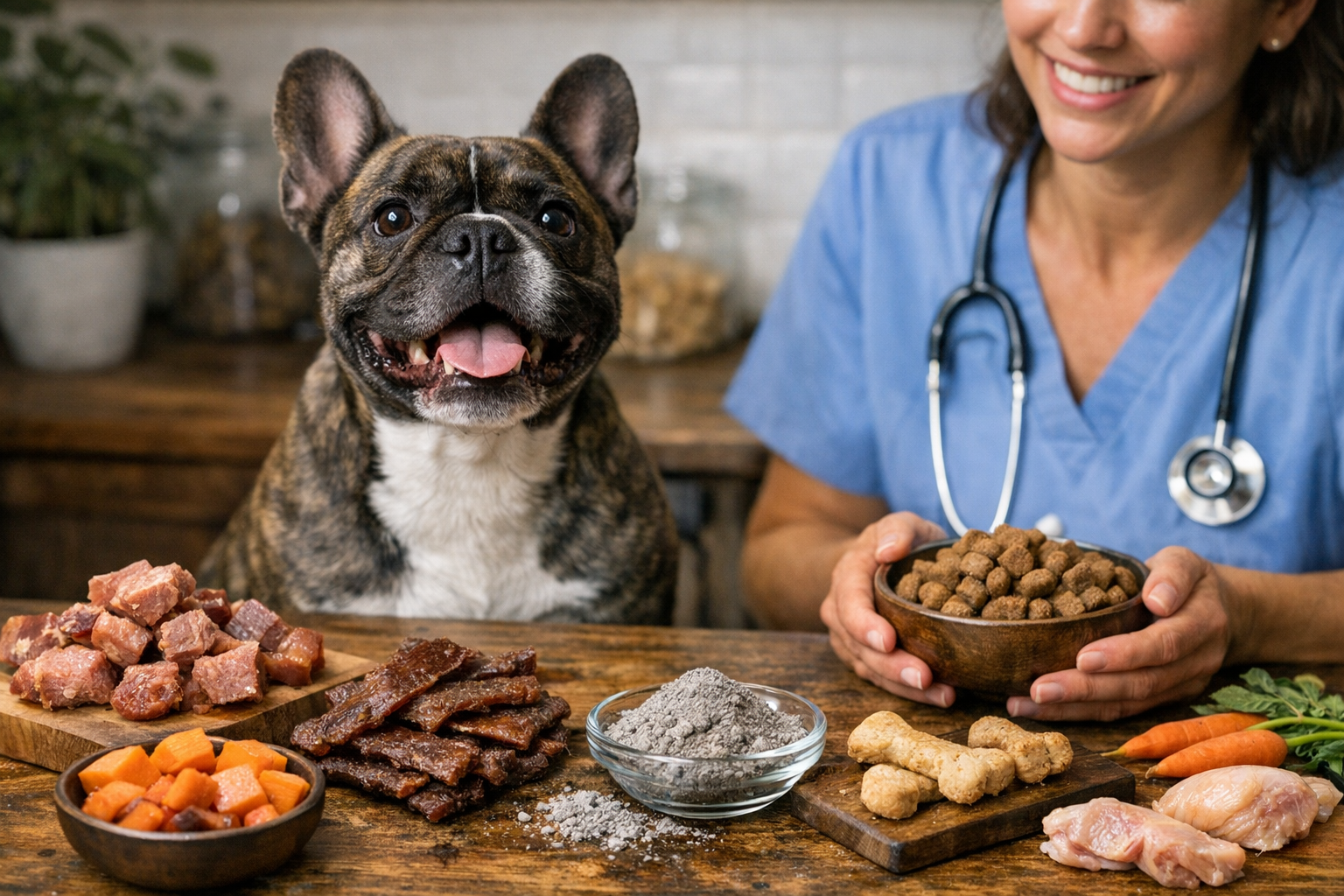
- High-Quality Meat Treats: Look for those that list real meat as the first ingredient. They often have the right balance of nutrients.
- Raw Pet Treats: Freeze-dried or dehydrated raw options can provide high nutritional value.
- Vegetable-Based Treats: Many pets enjoy treats that incorporate veggies like carrots and sweet potatoes, which may have lower ash content.
- Homemade Treats: Making your own treats allows you to control the ingredients and ensure good nutrition.
Common Mistakes to Avoid
Here are some mistakes pet parents often make regarding treat choices:
- Ignoring Ingredient Quality: Don’t just look at the price. Cheap treats may contain low-quality ingredients that can harm your pet.
- Assuming All Treats are Healthy: Not all treats marketed as “natural” or “organic” are necessarily good for your pet. Always check nutrition labels.
- Overfeeding Treats: Treats are not a substitute for a balanced diet. Don’t let treats make up too large a portion of your pet’s intake.
- Relying Solely on Treats: Treats are great for training, but provide your pet with a balanced diet that meets all their nutritional needs.
FAQs
- What does ‘ash’ mean in pet food? Ash refers to the inorganic material left after food is burned, which includes minerals that are important for health.
- Is high ash content bad for my pet? High ash content isn’t necessarily bad, but excessively high levels may indicate low-quality ingredients.
- How much ash content is considered normal in pet treats? A typical ash content range is around 1-10% depending on the type of treat and its ingredients.
- Can I make homemade treats that are low in ash? Yes! Use high-quality ingredients, such as lean meats and veggies, to keep ash content low.
- Do all pets have the same ash requirements? Different pets and life stages may have varied requirements. Always consult with your vet for personalized advice.
Conclusion
The ash content in pet treats is an important factor for pet parents to understand. It gives us insight into the nutritional quality of the treats we give our pets. By educating ourselves on this topic, we can choose treats that not only reward our pets but also support their health. Always prioritize quality ingredients and consult your vet to ensure you’re making the best choices for your furry family members.