

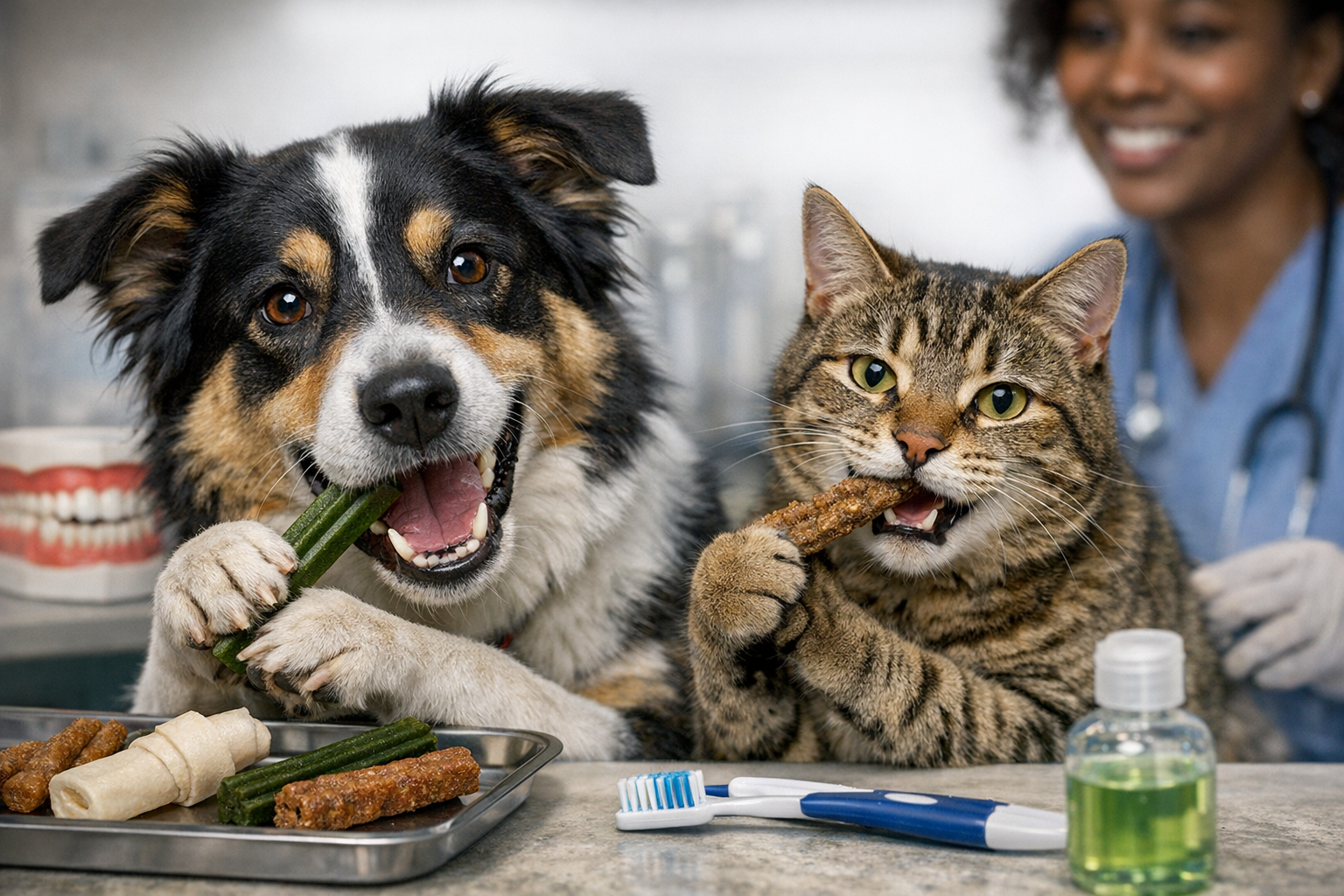
Are Dental Treats a Scam? What Vets Look for in Efficacy Studies
Dental treats are popular options for pet owners seeking to improve their furry friends’ oral health. However, are these products truly effective, or are they just a marketing gimmick? In this article, we will explore what vets look for when evaluating dental treats to help you make an informed choice for your pet.
Why This Topic Matters for Pet Parents
Pet dental health is crucial for overall well-being. Many pet parents want to ensure they are using products that genuinely benefit their pets. Understanding the research behind dental treats can help you decide the best choice for maintaining your pet’s oral hygiene.
Key Insights
- Dental Disease is Common: According to the American Veterinary Dental College, 80% of dogs and 70% of cats show signs of dental disease by age three.
- Role of Dental Treats: Dental treats can provide mechanical abrasion, which may help reduce plaque and tartar buildup.
- Important Ingredients: Look for treats with active ingredients like chlorhexidine or sodium hexametaphosphate that can fight bacteria and prevent plaque.
- Veterinary Recommendations: Many vets endorse specific dental treats based on their effectiveness and safety reviewed during clinical studies.
Expert Tips
When it comes to choosing the right dental treats for your pet, consider these veterinarian-style recommendations:
- Look for the VOHC Seal: The Veterinary Oral Health Council (VOHC) awards a seal to products that meet strict criteria for plaque and tartar reduction.
- Evaluate Texture: Choose treats that are firm but not too hard, as overly hard treats might damage teeth.
- Check Serving Size: Ensure you are giving the right amount based on your pet’s size and dietary needs.
- Combine with Regular Dental Care: Dental treats should not replace regular brushing or professional cleanings.
Best Products or Treat Types
While we won’t mention specific brands, here are some types of dental treats that you can consider:
- Chew-based treats: These encourage chewing, which can help remove plaque.
- Soft treats: These are easier for older pets or pets with dental issues but can still provide benefits.
- Dental sticks: Often formulated with special ingredients to enhance oral health.
- Rawhide alternatives: Look for options made without harmful additives that can help clean teeth safely.
Common Mistakes to Avoid
Avoid these pitfalls when using dental treats for your pet:
- Forgetting Regular Dental Check-ups: Treats are helpful, but they are not a substitute for vet check-ups.
- Overfeeding Treats: Treats should make up only a small percentage of your pet’s diet; too much can lead to obesity.
- Ignoring Ingredients: Be cautious of products filled with artificial flavors and preservatives that may not benefit oral health.
- Relying Solely on Treats: Do not depend only on dental treats; combine them with brushing and professional cleanings for best results.
FAQs
1. Can dental treats replace brushing my pet’s teeth?
No, while dental treats can help, they should be part of a broader dental care routine that includes brushing and regular vet check-ups.
2. How often should I give my pet dental treats?
Follow the guidelines on the product label. Generally, 1-2 times a week is recommended, but it can vary based on your pet’s needs and the specific product.
3. Are there any side effects of dental treats?
Some pets may have sensitivities. Monitor your pet for signs of stomach upset and consult your vet if you have concerns.
4. What should I look for on the label of dental treats?
Check for the VOHC seal, active ingredients that are proven to reduce plaque and tartar, and a clear serving size recommendation.
5. Are all dental treats safe for my pet?
No, not all treats are created equal. Always choose high-quality products and consult with your veterinarian for recommendations specific to your pet’s needs.
6. Can dental treats help with bad breath?
Yes, many dental treats contain ingredients designed to freshen breath and fight bacteria that cause bad odors.
Conclusion
Dental treats can be a valuable addition to your pet’s oral hygiene routine when chosen wisely. They are not a scam but rather a helpful tool for managing dental health. Always combine them with good dental practices for the best results. Your pet deserves a healthy smile, so equip yourself with the knowledge to choose the right dental solutions!