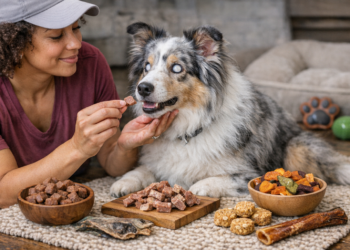


Choosing the Right Texture: Crunchy, Chewy, or Soft for Your Pet’s Age
Selecting the right texture of pet treats can greatly impact your furry friend’s health and happiness. Different ages and health conditions require specific considerations. This guide will help you make informed choices about crunchy, chewy, or soft treats for your pet.
Why This Topic Matters for Pet Parents
Choosing the right texture for your pet’s treats is essential because it affects their chewing ability, dental health, and enjoyment. Pets of different ages or health conditions may struggle with certain textures, which can lead to digestive issues or discomfort.
Key Insights
- Younger Pets: Puppies and kittens may prefer softer textures.
- Senior Pets: Older pets may have dental problems, making soft or chewy treats more suitable.
- Special Needs: Pets with health issues, like dental disease or gastrointestinal problems, may require specific textures.
- Texture Variety: Offering a mix of textures can keep your pet engaged and satisfied.
Expert Tips
Veterinarians often recommend the following when choosing treats based on texture:
- Monitor Dental Health: For pets at risk of dental problems, consider soft and chewy treats to avoid putting too much strain on teeth.
- Age Appropriateness: Ensure that treats are suitable for your pet’s age. Puppies need softer options, while adults might enjoy crunchier textures.
- Chewing Behavior: Observe your pet’s chewing habits. If they rush through treats, they may benefit from crunchier varieties that promote slower eating.
- Hydration: Offer plenty of water, especially with crunchy treats, to aid in digestion and keep the pet hydrated.
Best Products or Treat Types
When it comes to selecting the best types of treats based on texture, here are some great options:
- Crdunchy Treats: Look for baked biscuits or kibble designed for dental health.
- Chewy Treats: Consider meat jerky or soft treats that provide a good chew but are easier on the teeth.
- Soft Treats: Try training treats that are designed to be easily broken or chewed, which can be ideal for older or young pets.
Common Mistakes to Avoid
- Ignoring Age and Health: Always consider your pet’s age and specific health needs when choosing treats.
- Over-treating: Treats should only make up a small portion of your pet’s diet to prevent obesity.
- Skipping Variety: Sticking to one type of treat can make your pet lose interest. Offer different textures to keep mealtime exciting.
- Not Observing Reactions: Watch how your pet reacts to new textures and adjust accordingly to avoid stomach issues.
FAQs
1. How do I know if my pet prefers crunchy or chewy treats?
Observe your pet’s eating habits. Do they chew their food thoroughly or tend to gulp it down? Also, try offering different textures and see which ones they seem to enjoy more.
2. Can senior pets eat crunchy treats?
Some senior pets can still enjoy crunchy treats, but it’s essential to monitor their dental health. If they have dental issues, softer options might be better.
3. Are homemade treats a good option for different textures?
Yes! Homemade treats can be customized to cater to your pet’s age and texture preferences, ensuring they get the nutrients they need.
4. What should I do if my pet has a bad reaction to a new treat?
If your pet shows signs of discomfort, such as vomiting or diarrhea, stop feeding the treat immediately and consult your veterinarian.
5. How often should I give my pet treats?
Treats should only constitute about 10% of your pet’s daily caloric intake. Use them sparingly to reward good behavior or for training.
6. What if my pet doesn’t like any of the textures available?
Try different flavors and brands within each texture category. Sometimes, pets can be picky, and finding the right combination can take some trial and error.
Conclusion
Choosing the right texture of treats for your pet is crucial for their overall health and happiness. Understanding your pet’s age, health condition, and preferences will guide you in selecting the perfect crunchy, chewy, or soft treats. Always keep a close eye on how they react to different textures and consult your veterinarian for personalized advice. With a little effort and observation, you can ensure your furry friend enjoys their treats safely and happily!