

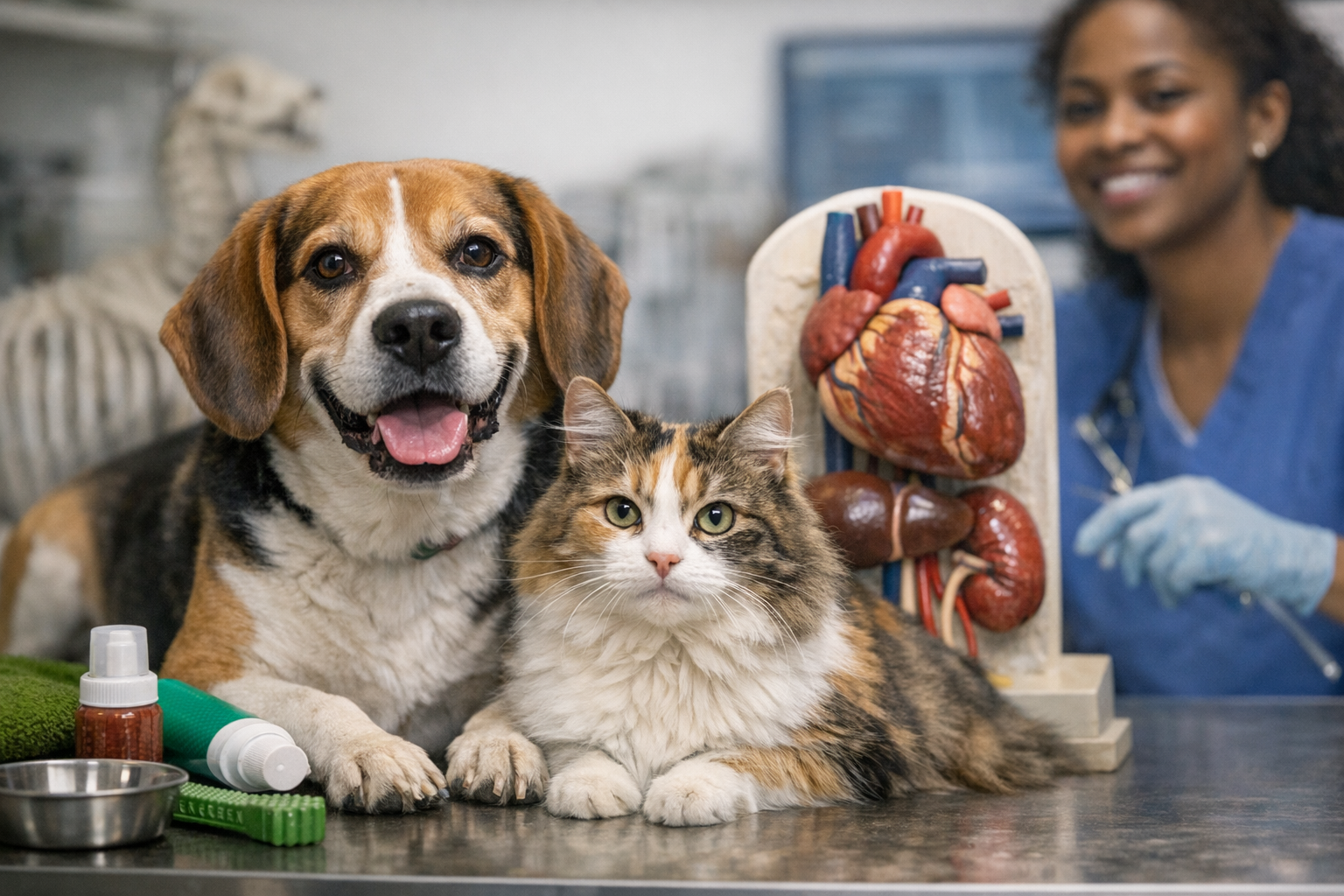
The Connection Between Poor Dental Health and Organ Disease in Pets
Many pet owners may not realize the strong link between dental health and overall well-being in pets. Neglecting dental care can lead to serious health problems, including organ disease. Understanding this connection can help pet parents keep their furry friends healthy and happy.
Why This Topic Matters for Pet Parents
Poor dental health is more than just bad breath or yellow teeth. It can lead to severe health issues, potentially shortening your pet’s lifespan. Being informed about the link between dental problems and organ diseases can help you take proactive steps in your pet’s health care.
Key Insights
- Up to 80% of dogs and 70% of cats show signs of dental disease by age three.
- Tartar and plaque build-up can lead to periodontal disease, which can affect vital organs.
- Infections from dental problems can enter the bloodstream, impacting the heart, liver, and kidneys.
- Regular dental care, including professional cleanings and at-home hygiene, is crucial for prevention.
Expert Tips
Veterinarians recommend several strategies to maintain your pet’s dental health:
- Daily Brushing: Brush your pet’s teeth daily to remove plaque before it hardens into tartar.
- Dental Chews: Provide dental chews as part of your pet’s routine. These can reduce plaque and freshen breath.
- Regular Vet Visits: Schedule regular veterinary check-ups, including dental exams to catch problems early.
- Choose Quality Food: Look for pet food that promotes dental health with special textures and ingredients.
- Avoid Table Scraps: Human food can contribute to dental issues; stick to pet-friendly diets.
Best Products or Treat Types
When selecting products for dental care, consider the following types:
- Toothpaste: Use toothpaste specially formulated for pets; never use human toothpaste.
- Toothbrushes: Invest in pet toothbrushes with soft bristles, or finger brushes for easier handling.
- Dental Treats: Look for treats that are designed to clean teeth, often with a chewy texture that helps remove plaque.
- Water Additives: These products can be added to your pet’s drinking water to help reduce bacteria and plaque.
Common Mistakes to Avoid
When caring for your pet’s dental health, avoid these frequent missteps:
- Ignoring Bad Breath: Persistent bad breath can be a sign of dental disease and should not be ignored.
- Using Human Products: Never use human dental products on pets as they can be harmful.
- Forgetting Regular Check-ups: Skipping veterinary visits can lead to undetected dental and overall health issues.
- Not Introducing Dental Care Gradually: If your pet is not accustomed to dental care, introduce it slowly and make it a positive experience.
FAQs
1. How often should I brush my pet’s teeth?
Ideally, you should brush your pet’s teeth daily. However, even a few times a week can help maintain their oral health.
2. Can poor dental health affect my pet’s behavior?
Yes, dental pain can cause discomfort, leading to changes in behavior, such as aggression or withdrawal.
3. What are the signs of dental disease in pets?
Watch for bad breath, swollen gums, loose teeth, difficulty eating, and excessive drooling.
4. Are some breeds more prone to dental issues?
Yes, smaller breeds and brachycephalic breeds (like Bulldogs) often have more dental problems due to their jaw structure.
5. How can I help my pet if they already have dental disease?
Consult your veterinarian for a treatment plan, which may include professional cleaning, medication, or dietary changes.
6. Is it too late to start dental care for an older pet?
It’s never too late to improve a pet’s dental health. Your vet can guide appropriate steps for older pets.
Conclusion
Caring for your pet’s dental health is a key part of ensuring their overall well-being. The connection between poor dental hygiene and serious organ diseases underlines the importance of regular dental care. By staying informed and actively participating in your pet’s dental hygiene, you can help them live a longer, healthier life. Remember, a healthy mouth leads to a healthy body.