
How Certain Treats Can Affect Your Pet’s Fur Color and Pigmentation
Pet treats can do more than just satisfy your furry friend’s taste buds. Some treats can actually influence the color and pigmentation of your pet’s fur. Understanding this can help you choose the best treats for your pet’s health and appearance.
Why This Topic Matters for Pet Parents
As a pet parent, you naturally want your pet to be healthy and look great. Fur color is often an important aspect of your pet’s appearance. Here are a few reasons why knowing how treats can affect fur color is essential:
- Better nutrition leads to healthier fur.
- Some treats may enhance or fade fur color.
- Understanding ingredients can help avoid allergic reactions.
Key Insights
- Certain vitamins and minerals found in treats can boost fur color.
- Natural pigments, like those from carrots or sweet potatoes, can add richness to fur.
- Over-treating or using low-quality treats can lead to dull fur and skin issues.
- Allergies to certain ingredients can alter pigmentation.
Expert Tips
Veterinarians recommend being mindful of the treats you choose for your pet. Here are some helpful tips:
- Check for Quality Ingredients: Look for treats with real, whole-food ingredients.
- Look for Specific Nutrients: Omega fatty acids and antioxidants can improve coat health.
- Limit Artificial Colors: Avoid treats with dyes, as they can cause allergies and may affect pigmentation.
- Monitor Changes: Keep an eye on your pet’s fur color when introducing new treats.
- Consult Your Vet: If you notice significant changes in fur color, ask your veterinarian for advice.
Best Products or Treat Types
Here are some ideal types of treats that can positively influence your pet’s fur color:
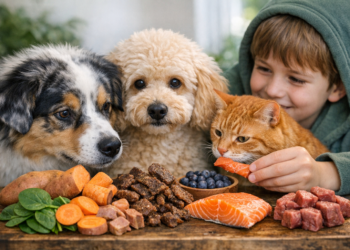
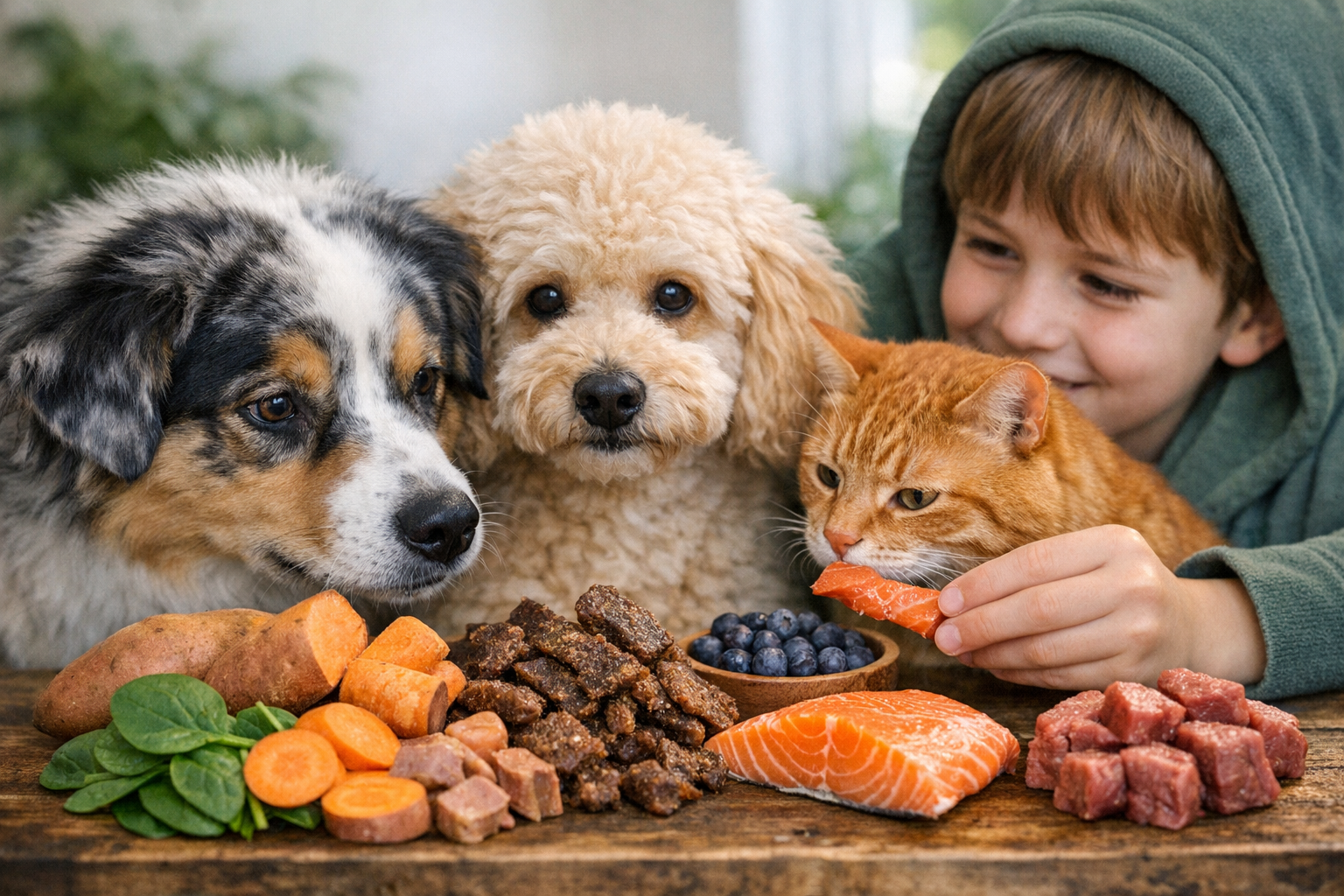
- Veggie-Based Treats: Sweet potatoes, carrots, or spinach can enhance color with natural pigments.
- Fish Treats: Rich in omega-3 fatty acids, fish treats promote a shiny, healthy coat.
- Fruit Treats: Blueberries and pumpkin are nutritious and help improve fur texture and brightness.
- Whole Meat Treats: High protein content supports fur health and overall vitality.
Common Mistakes to Avoid
Here are mistakes pet parents should watch out for:
- Ignoring Ingredients: Not checking labels can lead to poor quality treat choices.
- Overfeeding Treats: Too many treats can result in obesity, impacting fur health.
- Choosing Convenient Options: Relying solely on low-quality commercial treats can harm your pet’s fur.
- Neglecting Veterinary Advice: Not consulting a vet about dietary concerns can lead to health issues.
FAQs
1. Can I use regular human food as treats?
Some human foods are safe for pets, but many are not. Always check which foods are safe and consult your vet for the best options.
2. How long does it take to see changes in fur color?
It may take several weeks to notice changes in your pet’s fur color after adjusting their diet and treat intake.
3. Are all natural treats safe?
While many natural treats are safe, some can still cause allergies. Always introduce new treats gradually.
4. What if my pet has allergies?
If your pet has allergies, consult your veterinarian for safe treat options that won’t affect their fur color or cause issues.
5. How can I improve my pet’s coat health overall?
In addition to choosing the right treats, regular grooming, a balanced diet, and proper hydration are essential for coat health.
6. Should I avoid treats with artificial colors?
Yes, it’s best to avoid artificial colors, as they can lead to allergies and may not be beneficial for your pet’s fur.
Conclusion
Understanding how treats can affect your pet’s fur color and pigmentation is vital for every pet owner. By choosing quality ingredients and being mindful of your pet’s dietary needs, you can help keep their fur healthy and vibrant. Always consult with your veterinarian for personalized advice and to ensure your pet’s diet is balanced and beneficial.