
The Role of L-Carnitine in Weight Loss and Muscle Maintenance Treats
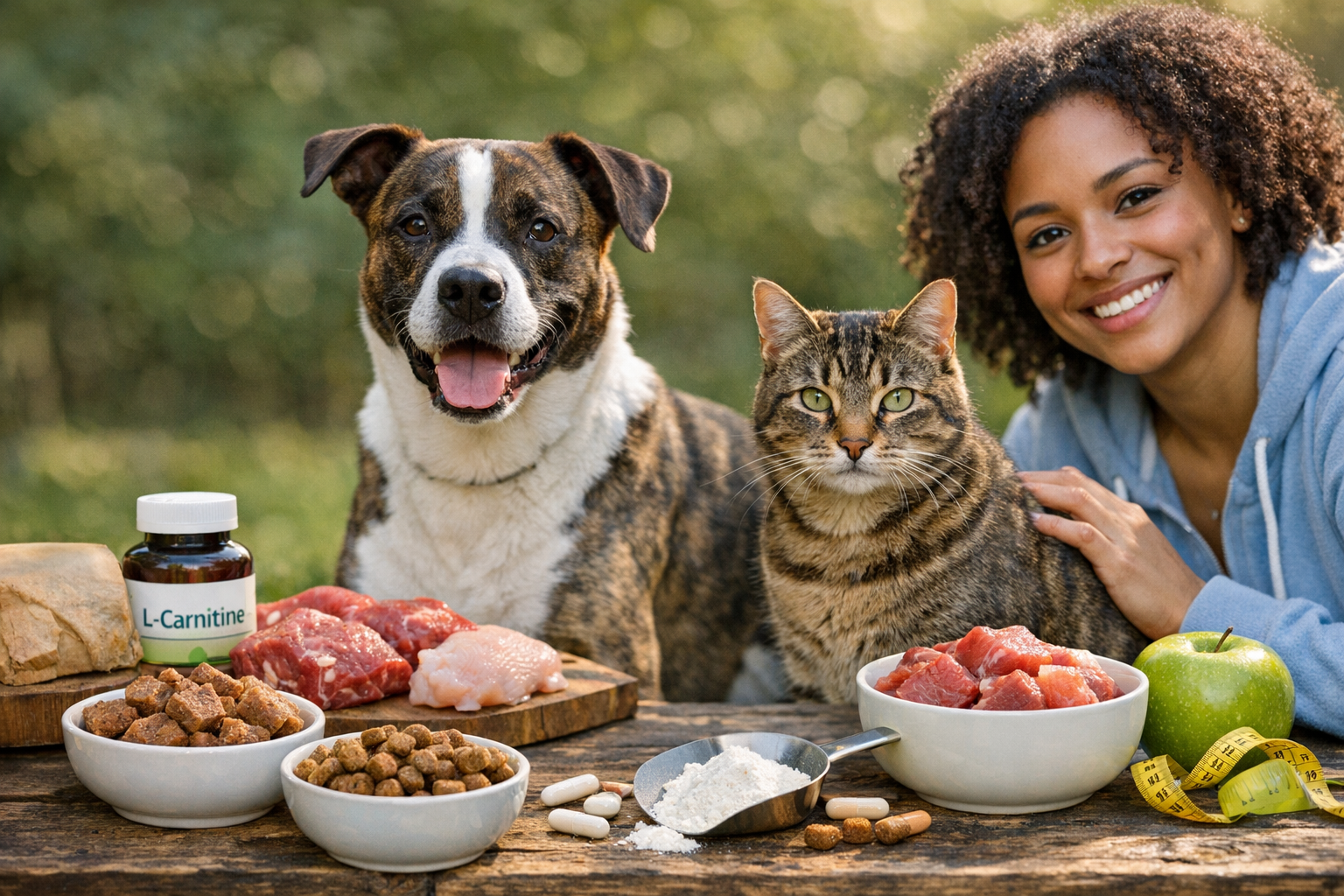
L-Carnitine is a nutrient that plays a vital role in fat metabolism and muscle maintenance, making it increasingly important in weight loss and muscle maintenance treats for pets. Understanding how L-Carnitine affects your pet’s health can help you choose the best options to support their needs.
Why This Topic Matters for Pet Parents
As pet parents, it’s essential to ensure our furry friends maintain a healthy weight and muscle mass. Obesity in pets can lead to various health issues, including diabetes, joint problems, and heart disease. By incorporating L-Carnitine into your pet’s diet through treats, you can support their weight loss and muscle maintenance goals.
Key Insights
- What is L-Carnitine? L-Carnitine is an amino acid derivative that helps transport fatty acids into the mitochondria for energy production.
- Weight Loss Benefits: It aids in fat loss by converting stored fat into energy, which can help pets lose weight.
- Muscle Maintenance: L-Carnitine helps preserve muscle mass, especially during weight loss, which is crucial for active pets.
- Natural Sources: L-Carnitine is found in animal products like meat and dairy, making it naturally accessible in certain pet foods.
Expert Tips
Here are some helpful recommendations from veterinarians:
- Gradual Introduction: Introduce L-Carnitine gradually into your pet’s diet to avoid digestive upset.
- Consult Your Vet: Always talk to your veterinarian before starting any new supplement, including L-Carnitine.
- Balanced Diet: Ensure your pet’s diet is balanced, as L-Carnitine works best in conjunction with proper nutrition.
- Monitor Weight: Regularly check your pet’s weight and adjust their diet based on their response to the treats.
Best Products or Treat Types
When looking for L-Carnitine-rich treats, consider these types:
- Protein-Based Treats: Look for treats made with high-quality meat sources to ensure they contain natural L-Carnitine.
- Low-Calorie Options: Treats that are low in calories can help prevent weight gain while still providing L-Carnitine.
- Functional Treats: Some treats are specifically designed to support weight loss and muscle maintenance with added L-Carnitine.
Common Mistakes to Avoid
To get the most out of L-Carnitine in your pet’s diet, avoid these common mistakes:
- Skipping the Vet: Don’t overlook the importance of veterinary guidance when introducing new supplements.
- Overfeeding Treats: Stick to recommended serving sizes to prevent extra calories that can lead to weight gain.
- Ignoring Nutritional Balance: Ensure your pet’s overall diet is well-rounded and includes necessary vitamins and minerals.
- Assuming All Pets Need L-Carnitine: Not all pets require L-Carnitine; assess your pet’s specific needs with a vet.
FAQs
- What is the recommended dosage of L-Carnitine for pets?
Consult your veterinarian for the right dosage based on your pet’s weight and health needs. - Are there side effects associated with L-Carnitine?
Generally, L-Carnitine is safe. However, excessive amounts may cause digestive issues like diarrhea. - Can I find L-Carnitine in regular pet food?
Yes, many specialty pet foods contain L-Carnitine, especially those aimed at weight management. - How long does it take to see results from L-Carnitine?
Results can vary; however, many pet owners report improvements in a few weeks when combined with a proper diet. - Is L-Carnitine safe for all breeds and ages?
While generally safe, always consult your vet to ensure it’s suitable for your pet’s specific health condition.
Conclusion
L-Carnitine can be a valuable addition to your pet’s weight loss regimen and muscle maintenance plan. By understanding its benefits and how to incorporate it into treats, you can help your furry friend achieve a healthier lifestyle. Always remember to consult your veterinarian to create the best dietary strategy for your pet’s unique needs.