

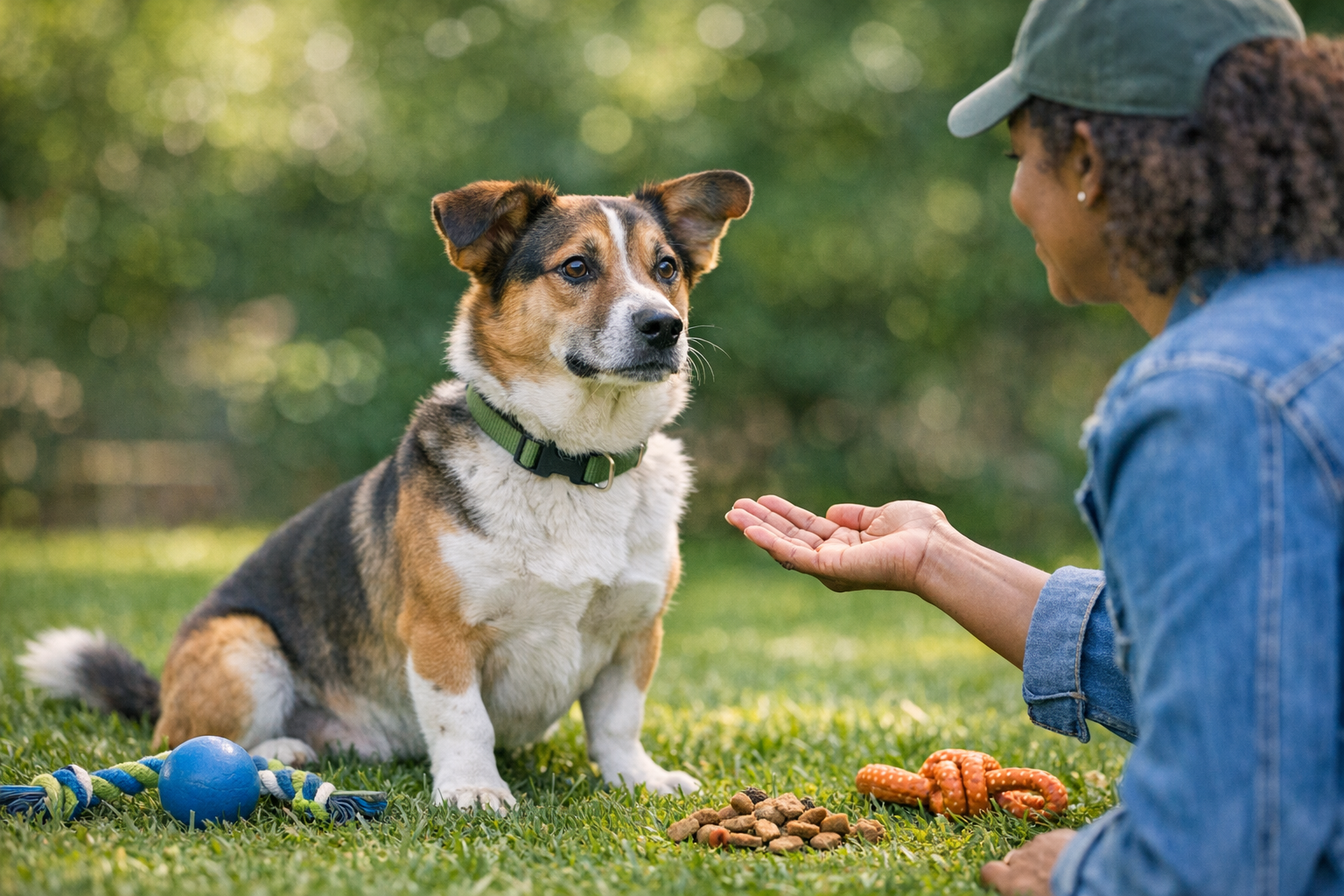
How to Fade the Treat Lure (The Invisible Hand Signal)
Teaching your pet essential commands often involves treats as a lure. However, as your pet learns, the goal is to reduce their dependence on treats so they respond to your cues without being tempted by goodies. This guide will help you master the process of fading the treat lure effectively.
Why This Topic Matters for Pet Parents
Understanding how to fade the treat lure is crucial for building a strong and reliable communication system with your pet. When your furry friend can follow commands without expecting treats, it enhances their confidence and strengthens your bond. Here are a few reasons why this is important:
- Promotes good behavior even when treats are not present.
- Helps your pet learn to respond to cues in various environments.
- Develops your dog’s independence and problem-solving skills.
Key Insights
Here are some essential points to keep in mind when fading the treat lure:
- Start with a reliable command that your pet knows well.
- Gradually reduce the number of treats given for successful responses.
- Use verbal praise and pets as alternative rewards.
- Practice in different settings to generalize commands.
- Be patient; some pets may take longer than others to adapt.
Expert Tips
Veterinarians and animal behaviorists recommend several strategies to effectively fade the treat lure:
- Practice Consistency: Use the same commands and signals consistently to avoid confusing your pet.
- Integrate Other Rewards: Use favorite toys or playtime instead of treats as rewards to keep your pet motivated.
- Gradual Fading: Slowly increase the time between treats until your pet responds to commands without expecting them.
- Short Training Sessions: Keep sessions short to maintain your pet’s attention and motivation.
- Positive Reinforcement: Always pair commands with positive feedback to foster a good learning environment.
Best Products or Treat Types
When selecting treats for training, consider these options that work well for most pets:
- Soft Treats: Easy to chew and digest; perfect for quick rewards.
- High-Value Treats: Use more enticing snacks for tougher tasks (like chicken, beef, or special kibble).
- Toy Rewards: Interactive toys that engage your pet can also serve as rewards.
- Chews: Long-lasting chews can be a great reward after the completion of a command or trick.
Common Mistakes to Avoid
A few common pitfalls can hinder the fading process:
- Inconsistent Commands: Changing cues can confuse your pet and slow down learning.
- Giving Treats Too Often: If treats are given too frequently, your pet may rely heavily on them.
- Skipping Steps: Rushing the process can lead to setbacks; ensure your pet confidently responds before reducing treats.
- Ignoring Environment Changes: Always train in various environments to reinforce commands outside the home.
FAQs
1. How long does it take to fade the treat lure?
The time it takes varies by pet. Some may adjust quickly, while others may need weeks of consistent practice.
2. What if my pet doesn’t respond without treats?
Reassess your training approach. Consider going back a step and slowly increasing your expectations again.
3. Can I use other types of rewards?
Absolutely! Use toys, affection, or playtime as alternatives to treats to keep your pet motivated.
4. How often should I train my pet?
Short, daily sessions (5-10 minutes) are more effective than longer, less frequent sessions.
5. Is it okay to use treats for learning new commands?
Yes, using treats initially is perfectly fine. Just ensure you’re gradually reducing their use over time.
Conclusion
Fading the treat lure is an essential part of training that enhances your pet’s learning and response to commands. With patience and consistency, you can teach your pet to respond to verbal cues and hand signals without a treat in sight. Remember that every pet is unique, so tailor your approach to match your furry friend’s needs. Happy training!