

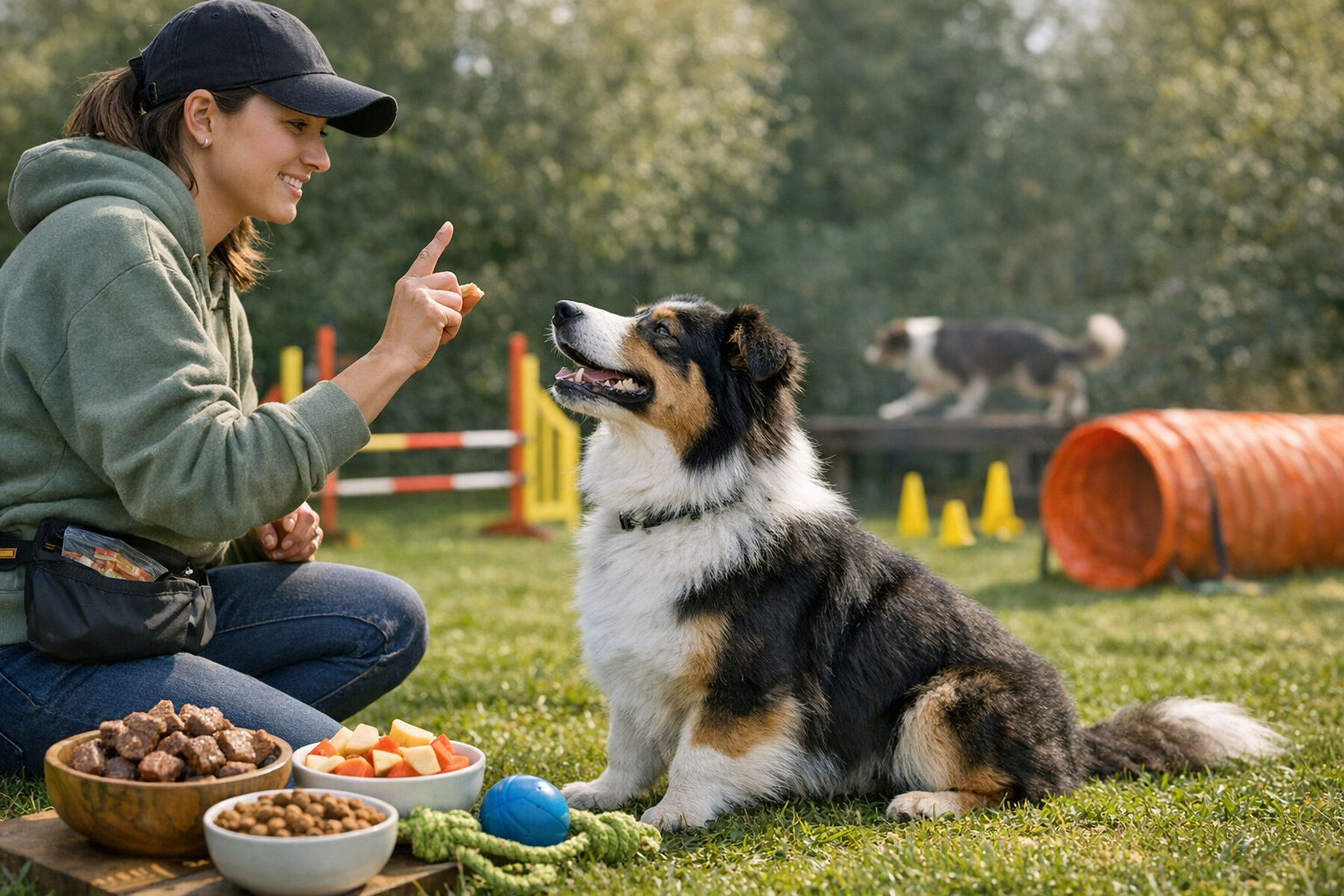
Advanced Behavior Training: Using Treats for Complex Sequences
Training our pets can be a fun and challenging experience. Advanced behavior training involves teaching pets to perform complex actions using various cues. In this article, we’ll focus on how using treats can help you create clear and rewarding training sequences for your furry friends.
Why This Topic Matters for Pet Parents
Understanding advanced behavior training is important for pet parents for several reasons:
- Strengthens bond between you and your pet.
- Enhances mental stimulation for your pet, leading to a happier lifestyle.
- Helps manage behavioral issues and reduces stress.
- Prepares your pet for real-life situations with confidence.
Key Insights
Here are some key insights into advanced behavior training using treats:
- Treats serve as positive reinforcement, making learning fun.
- Start with simple commands before progressing to complex sequences.
- Break down complex tasks into smaller, manageable parts.
- Use high-value treats for difficult behaviors to encourage success.
- Consistency is key; follow the same routine for best results.
Expert Tips
Here are some veterinarian-style recommendations to make the most of treat-based training:
- Choose the Right Treats: Select small, soft, and flavorful morsels that are easy for your pet to chew and swallow quickly.
- Timing Matters: Offer a treat immediately after your pet performs the desired behavior to reinforce the action.
- Limit Treats: Keep training sessions short (10–15 minutes) and limit treats to keep them special and effective.
- Mix It Up: Use a variety of treats to keep your pet engaged and motivated.
- Monitor Weight: Be mindful of your pet’s calorie intake to avoid overfeeding during training.
Best Products or Treat Types
When selecting treats for advanced behavior training, consider these types:
- Soft Treats: Easy to chew and digest, perfect for quick rewards during training.
- Chopped Fruits and Vegetables: Items like carrot sticks, apple slices, or peas can provide a healthy treat option.
- Freeze-Dried Treats: These provide high protein and flavor, making them great for training sessions.
- Smaller Kibble: Using your pet’s regular kibble can be beneficial, but ensure they’re truly motivated by it.
Common Mistakes to Avoid
To ensure your training is effective, here are some common mistakes to watch out for:
- Inconsistency: Changing commands or rewards can confuse your pet.
- Overusing Treats: If treats are given too often, they lose their impact during training.
- Lack of Patience: Remember, every pet learns at their own pace; avoid rushing the process.
- Ignoring Body Language: If your pet seems stressed or uninterested, it might be time to take a break.
- Setting Unrealistic Expectations: Advanced training takes time; be patient and celebrate small victories.
FAQs
1. How long should I train my pet each day?
Keep training sessions to about 10–15 minutes to prevent fatigue and maintain focus. You can have multiple training sessions throughout the day.
2. What if my pet loses interest in the treats?
If your pet isn’t excited about the treats, try different options or switch up your training reward to keep them engaged.
3. Can I train my pet without treats?
Yes, you can use praise, toys, or playtime as rewards, but treats are often the most effective motivator.
4. How do I know if a treat is healthy for my pet?
Check the ingredient list for natural ingredients and avoid treats with artificial additives or high sugar content.
5. What are complex sequences in pet training?
Complex sequences are combinations of multiple commands or actions that require your pet to follow a series of cues, such as “sit, stay, and come.”
6. How can I tell if my pet is ready for advanced training?
If your pet consistently follows basic commands (like sit or down) and shows signs of focus and enthusiasm, they may be ready for advanced training.
Conclusion
Advanced behavior training using treats can be an enjoyable and rewarding experience for you and your pet. By understanding the right techniques, avoiding common mistakes, and using the right types of treats, you can help your pet learn complex behaviors effectively. Remember, patience and consistency are key to successful training, and the bond you create with your pet will last a lifetime.