
Teaching Your Dog to Greet People Politely (No Jumping)
Teaching your dog to greet people without jumping is an essential skill for both pet and owner. Not only does it ensure everyone feels comfortable, but it can also prevent potential accidents or injuries. In this guide, you’ll learn effective tips and methods to help your dog say hello politely.
Why This Topic Matters for Pet Parents
Polite greetings are important for several reasons:
- They promote positive interactions between dogs and people.
- They can help reduce anxiety for shy or fearful dogs.
- Training helps create a safer environment for everyone.
- A well-behaved dog enhances your social experiences.
Key Insights
Understanding your dog’s behavior can make training easier. Here are some key insights:
- Jumping is often a sign of excitement and can be managed with training.
- Consistency is crucial; everyone in your household should follow the same rules.
- Positive reinforcement works better than punishment.
- Body language communication is essential; know the signs of a relaxed dog.
- Patience and practice are necessary for long-term results.
Expert Tips
Here are some veterinarian-style recommendations to help with your training:
- Start with Basic Commands: Teach your dog basic commands like “sit” and “stay.” This provides a foundation for more complex behaviors.
- Practice Regular Greetings: Choose times to practice, like when family or friends arrive, to set realistic scenarios.
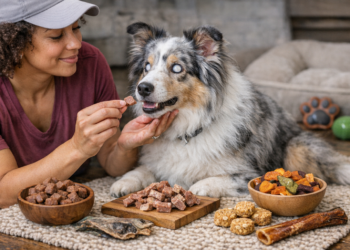
- Use Treats Wisely: Have high-value treats ready for positive reinforcement when your dog correctly greets someone.
- Control the Environment: Initially practice in a quiet space before progressing to busier areas.
- Be Consistent: Make sure everyone in your household follows the same approach to avoid confusion.
Best Products or Treat Types
Selecting the right tools can boost your training success. Here are some ideas for treats and products:
- Soft Training Treats: Choose small, soft, and tasty treats that your dog loves for quick rewards.
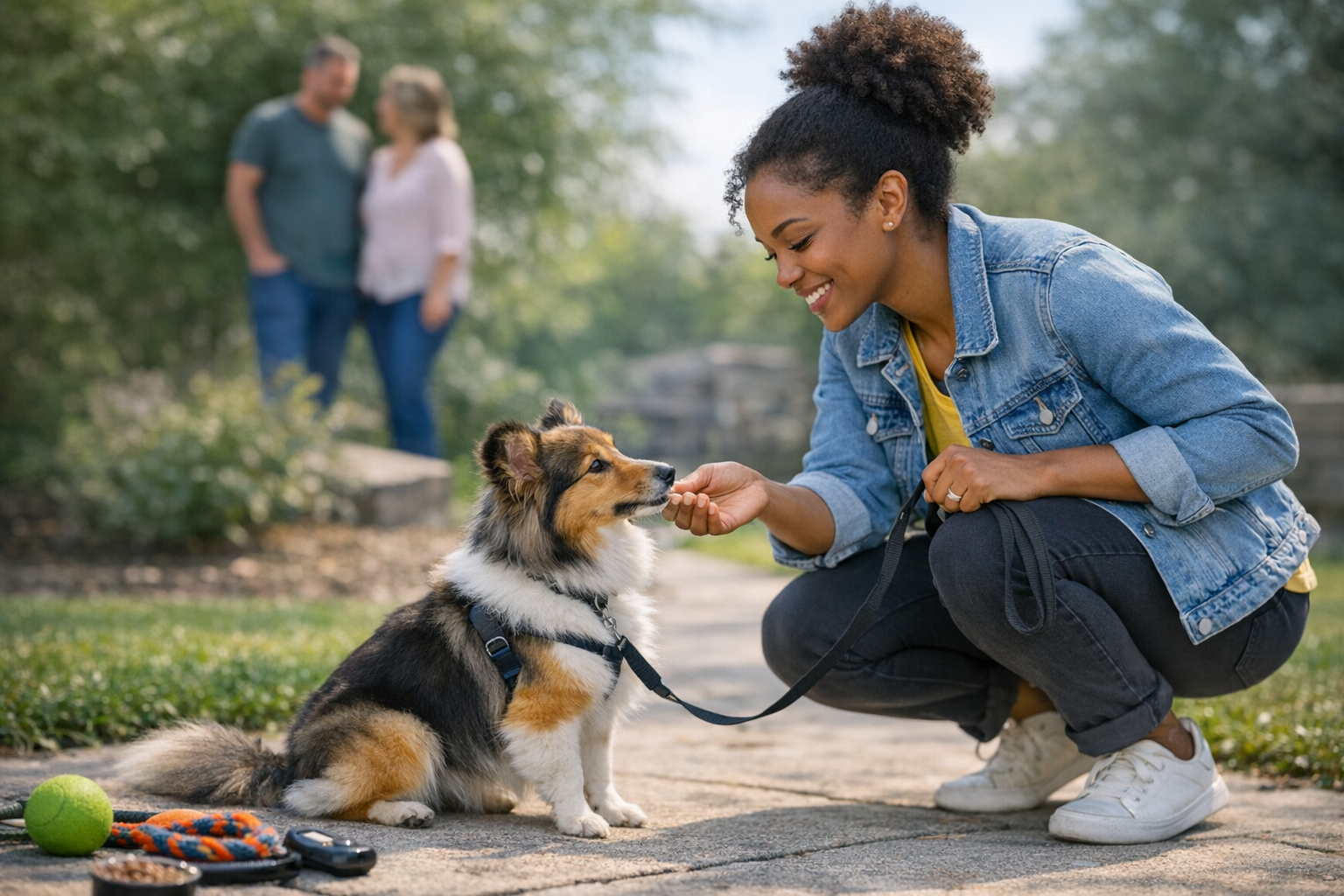
- Clickers: A clicker can help mark the exact moment your dog behaves as desired, making training clearer.
- Leash and Harness: A good harness keeps your dog safe and offers better control during training.
- Interactive Toys: Use these to distract your dog before guests arrive, helping to manage excitement levels.
- Training Pads: Helpful for practicing indoors, especially in bad weather.
Common Mistakes to Avoid
A few common pitfalls can make training harder:
- Ignoring the Problem: Don’t overlook jumping or excitable behavior; it needs to be addressed.
- Inconsistent Training: Mixed signals confuse dogs; everyone must stick to the same rules.
- Using Negative Reinforcement: Punishing your dog can lead to fear. Instead, focus on rewarding good behavior.
- Not Practicing Enough: Regular practice is key for your dog to retain skills and respond reliably.
- Failing to Manage Excitement: If your dog is too excited when guests arrive, take a moment to calm them first.
FAQs
1. How long does it take to train my dog to greet people politely?
Training duration varies by dog, but with consistent effort, you may see improvements in a few weeks.
2. What if my dog is extremely excitable?
For highly excitable dogs, manage their exposure. Use calm environments and slowly introduce distractions.
3. Can I train an older dog?
Yes! Dogs of all ages can learn new behaviors. It may take more time, but patience and persistence are critical.
4. Should I let my dog greet people if they are calm?
Yes, once your dog is calm and following commands, they can greet people. Reward them for being well-behaved.
5. How do I tell if my dog is getting overwhelmed?
Signs of stress include excessive panting, turning away, or putting their tail between their legs. If you see these, give them space.
6. What are some effective commands to teach first?
Start with “sit,” “stay,” and “down” as these commands help establish control before greeting.
Conclusion
Teaching your dog to greet people without jumping is not just about preventing unwanted behavior. It fosters a safe and friendly environment for both your pet and guests. With patience, consistency, and the right techniques, you can help your dog master polite greetings. Remember, every little progress is a step towards a well-mannered pup.