
The Best Diets and Treats for Pets with Megaesophagus (Swallowing Issues)
Megaesophagus is a serious condition that affects pets’ ability to swallow. It can lead to nutritional deficiencies and weight loss if not managed properly. This article will explore the best diets and treats for pets struggling with this condition, helping you keep your furry friend happy and healthy.
Why This Topic Matters for Pet Parents
Understanding megaesophagus is crucial for pet owners because it significantly impacts a pet’s quality of life. Feeding the right diet can:
- Improve nutrient absorption
- Prevent aspiration pneumonia
- Enhance overall health and well-being
Key Insights
- Megaesophagus causes the esophagus to enlarge and lose its ability to push food to the stomach.
- Pets may require special feeding techniques and diets that are easier to swallow.
- Consistency in diet and mealtime routines is crucial for managing symptoms.
Expert Tips
Veterinarians recommend several strategies to help pets with megaesophagus:
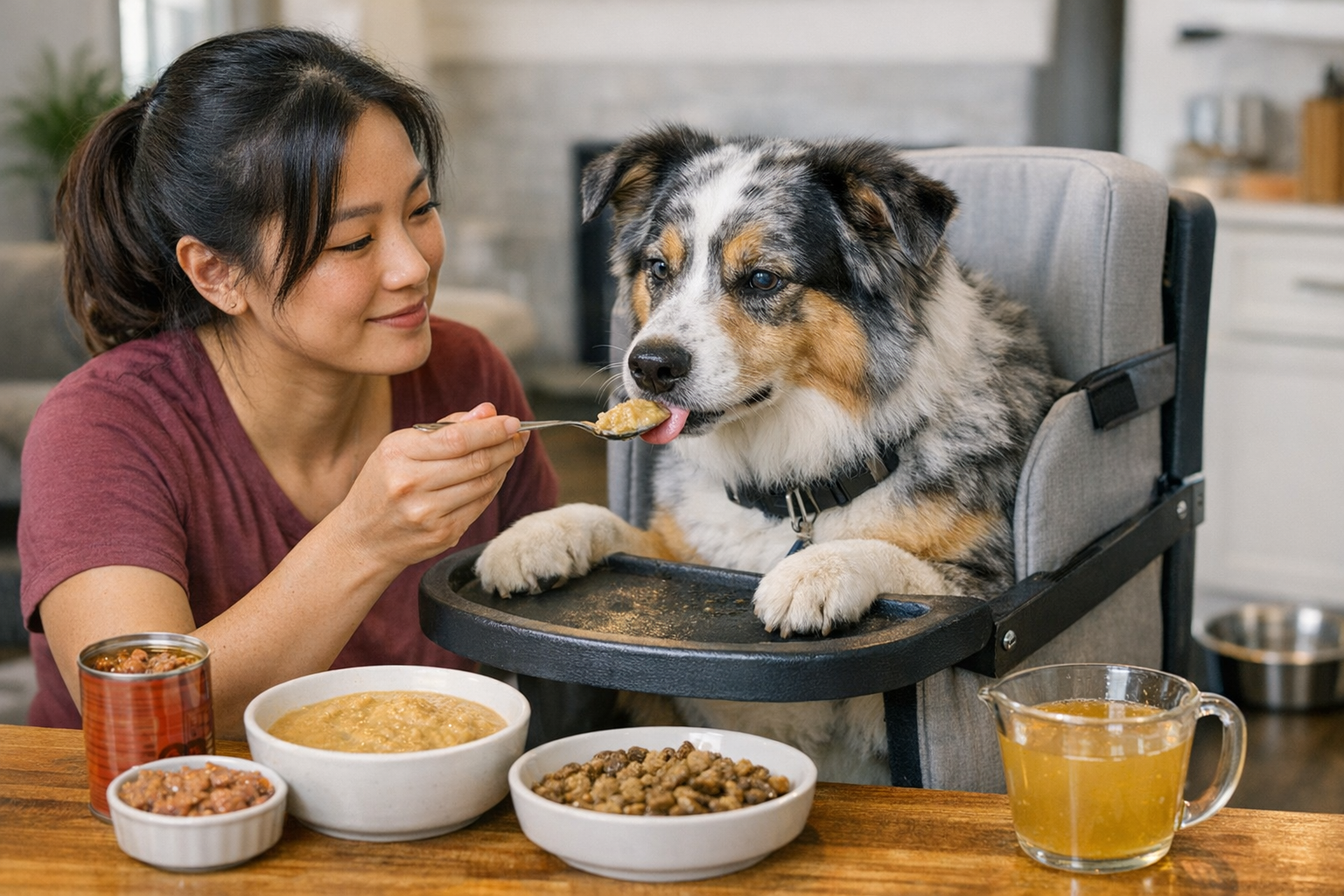
- Elevated Feeding: Feed your pet in an upright position, using a wedge or elevated bowl.
- Soft or Pureed Diet: Select foods that are easy to swallow, like soft or pureed options.
- Small, Frequent Meals: Offer smaller portions more frequently throughout the day.
- Hydration: Ensure your pet always has access to water but offer it separately from meals.
- Monitor Weight: Regularly check your pet’s weight to make sure they’re maintaining a healthy status.
Best Products or Treat Types
When choosing products for pets with megaesophagus, consider the following types:
- Soft Kibble: Look for kibble specially formulated to soften easily with moisture.
- Pouches and Canned Food: These are typically easier to swallow due to their moist consistency.
- Homemade Pureed Foods: You can prepare blended meals from safe ingredients, ensuring they are smooth and easy to ingest.
- Hydration Options: Look for broths or liquid-based supplements that can help keep your pet hydrated.
Common Mistakes to Avoid
When managing megaesophagus, be aware of these common pitfalls:
- Ignoring Feeding Position: Failing to keep your pet upright while eating can lead to choking or aspiration.
- Rushing Meals: Allow your pet to eat at their own pace to avoid gagging or choking.
- Switching Diets Too Quickly: Gradually introduce any new food to prevent digestive issues.
- Neglecting Veterinary Check-ups: Regular vet visits are vital for monitoring your pet’s health and meal efficacy.
FAQs
1. What are the symptoms of megaesophagus in pets?
Common symptoms include regurgitation, coughing, choking, and difficulty swallowing food.
2. Can megaesophagus be treated?
While there is no cure, management focuses on diet modifications, supportive care, and monitoring health.
3. Is megaesophagus hereditary?
Some breeds may be more prone to megaesophagus, but it can also develop due to other conditions.
4. How often should I feed my pet with megaesophagus?
Small, frequent meals throughout the day are recommended to ease swallowing.
5. Can I give treats to my pet with megaesophagus?
Yes, but select treats that are soft, easy to swallow, and appropriate for their diet.
6. How can I keep my pet’s weight in check with megaesophagus?
Regular monitoring, along with appropriate diet and feeding methods, will help maintain a stable weight.
Conclusion
Managing a pet with megaesophagus requires care and specific dietary choices. By understanding their needs and being mindful of feeding techniques, you can ensure your pet stays healthy and happy. Always consult your veterinarian for personalized advice and adjustments to your pet’s diet.