
Safe & Healthy Dog Treats for Pets on a Raw Food Diet
Choosing safe and healthy dog treats is vital for pets on a raw food diet. With so many options available, it’s important to understand which treats are beneficial and safe for your furry friend. This guide will help pet parents select the best treats and avoid potential pitfalls.
Why This Topic Matters for Pet Parents
Dog owners who opt for a raw food diet usually prioritize natural and wholesome ingredients. Treats can be a good addition to a balanced diet, providing dogs with extra nutrients and satisfying their cravings. However, not all treats are created equal, and selecting the right ones is crucial for maintaining your dog’s health.
Key Insights
- Raw diets typically consist of raw meat, bones, fruits, and vegetables.
- Selective treat choices support health and digestion.
- Many commercial dog treats may contain fillers and preservatives.
- Homemade or natural treats can be healthier alternatives.
- Always check for allergens specific to your dog.
Expert Tips
Veterinarians recommend the following tips when selecting treats for dogs on a raw food diet:
- Look for Minimal Ingredients: Choose treats with few ingredients to avoid fillers and additives.
- Avoid Grain-Based Treats: Many raw diets exclude grains, so select grain-free treat options.
- Check for Quality: Treats should come from reputable sources with clear ingredient labels.
- Be Mindful of Treat Size: Ensure that treats are appropriate for your dog’s size and chewing ability.
- Balance Nutritional Value: Treats should complement your pet’s raw diet without exceeding daily calorie limits.
Best Products or Treat Types
Here are some of the best types of treats for dogs on a raw food diet:
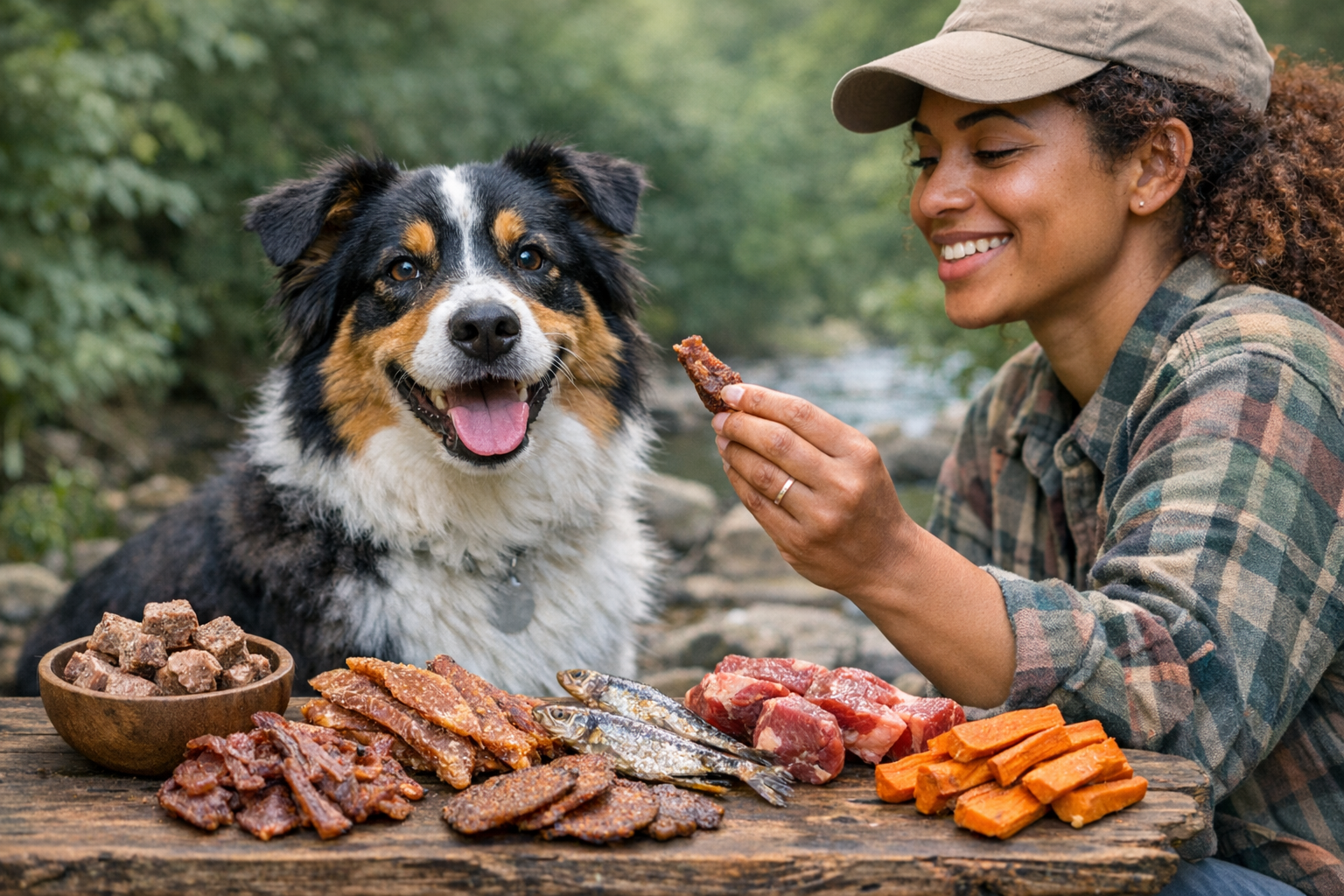
- Raw Meat Treats: Slices of dehydrated raw meat or organ meats are nutrient-rich and tasty.
- Vegetable Treats: Healthy options include dehydrated pumpkin, sweet potato, or carrot strips.
- Freeze-Dried Treats: Freeze-dried meats or fish retain their nutrients and flavor while being lightweight and portable.
- Fish-Based Treats: Small pieces of fish, like sardines or salmon, are high in Omega-3 fatty acids.
- Homemade Treats: Consider making treats from meat and vegetables. Simple recipes can be fun and healthy.
Common Mistakes to Avoid
Here are some mistakes to avoid when giving your dog treats:
- Over-treating: Giving too many treats can lead to obesity and health issues.
- Ignoring Allergies: Not all dogs tolerate the same foods. Always monitor for allergic reactions.
- Choosing Low-Quality Products: Avoid treats with artificial ingredients or preservatives.
- Neglecting Portion Control: Treats should make up no more than 10% of your dog’s daily calorie intake.
- Forgetting Dental Health: Some treats can contribute to dental problems; ensure they are safe for teeth.
FAQs
1. Can my dog eat raw treats if they are on a raw food diet?
Yes, raw treats can be a great addition to a raw food diet as long as they are made from safe ingredients and are balanced in nutritional value.
2. What are the best raw treat options for dogs?
The best options include freeze-dried meats, dehydrated raw meat, vegetable treats, and homemade versions made from whole foods.
3. Are commercial raw dog treats safe?
Many commercial raw dog treats are safe if they come from reputable brands. Always read ingredient labels and research the brand.
4. How often can I give my dog treats?
Treats should not exceed 10% of your dog’s total daily calorie intake. It’s best to offer them in moderation.
5. Can fruits and vegetables be used as treats?
Yes, many fruits and vegetables are safe for dogs and can be used as healthy snacks. Just ensure they are dog-friendly options.
6. Should I consult my vet before adding new treats?
It’s always a good idea to consult with your veterinarian, especially if your dog has health issues or food sensitivities.
Conclusion
Choosing safe and healthy dog treats for pets on a raw food diet is essential for their overall well-being. By selecting high-quality, nutritious treats and avoiding common pitfalls, you can enhance your dog’s diet while keeping them happy and healthy. Remember to consult your veterinarian for personalized recommendations that suit your pet’s specific needs.