

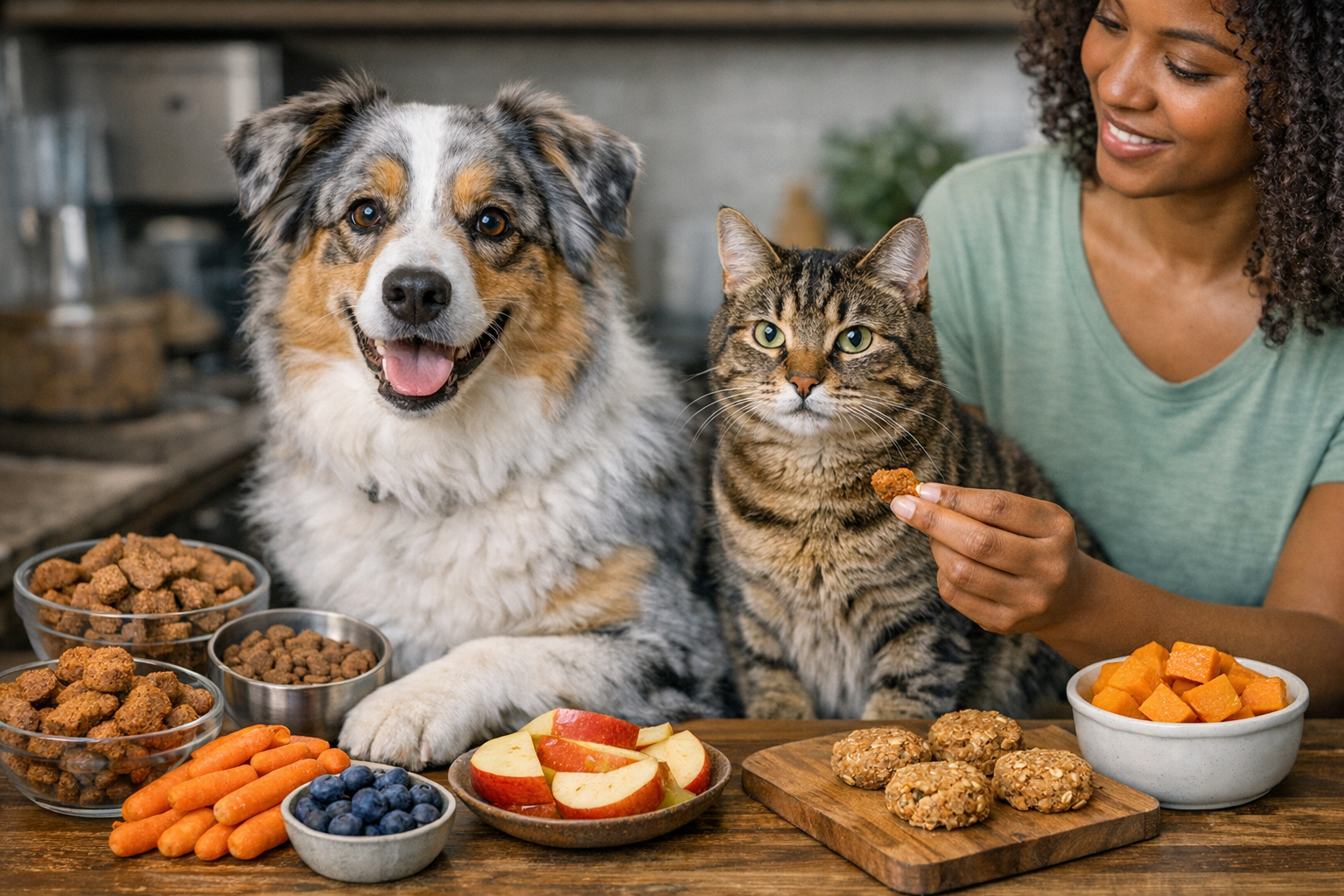
The Calorie Count Trap: Calculating Treats into Your Pet’s Daily Diet
As pet parents, it’s easy to overlook how treats affect our furry friends’ diets. Understanding how to calculate treats into their daily calorie intake is crucial for their health. In this article, we will explore why this topic matters, provide key insights, share expert tips, and suggest the best types of products for your pet.
Why This Topic Matters for Pet Parents
Pets can easily gain weight if their treat consumption isn’t monitored. This can lead to serious health issues like diabetes and heart disease. By calculating treats into their daily diet, you can help keep your pet healthy and happy.
Key Insights
- Treats should account for 10% to 15% of your pet’s daily caloric intake.
- Overweight pets are at a higher risk for health problems.
- Reading labels can help you choose healthier treats.
- Some “healthy” treats can still be high in calories.
- Portion control is essential for maintaining your pet’s weight.
Expert Tips
Here are some veterinarian-style recommendations to help you manage your pet’s calorie intake:
- Know Your Pet’s Ideal Weight: Consult with your veterinarian to find the right weight for your pet.
- Calculate Daily Calories: Use your pet’s ideal weight to estimate their daily caloric needs. A general rule is 30 calories per pound of body weight for dogs and 20 calories per pound for cats.
- Limit Treats: Stick to the 10% to 15% rule for treats, and adjust the main diet accordingly.
- Use Low-Calorie Treats: Opt for healthier or homemade options that are lower in calories.
- Monitor Your Pet’s Weight: Regularly weigh your pet and adjust their diet as needed.
Best Products or Treat Types
When choosing treats, consider these types:
- Low-Calorie Commercial Treats: Look for brands that specifically label their treats as low-calorie.
- Fruits and Vegetables: Small pieces of carrots, apples (without seeds), or blueberries can be great healthy alternatives.
- Homemade Treats: Make simple treats using oatmeal, pumpkin, or peanut butter for a healthier option.
- Training Treats: These are usually smaller and lower in calories, perfect for rewarding good behavior without overindulging.
Common Mistakes to Avoid
Avoid these pitfalls when managing your pet’s treat intake:
- Ignoring Calorie Content: Not checking the calorie content of treats can lead to weight gain.
- Using Treats as a Bribe: Avoid using treats excessively to calm or distract a pet; it can lead to unhealthy habits.
- Not Adjusting Regular Food: Failing to cut back on regular meals to compensate for treats can cause overfeeding.
- Believing All ‘Natural’ Treats are Healthy: Natural doesn’t always mean low-calorie—always check the label.
FAQs
1. How many calories should my pet have each day?
The daily caloric needs vary based on factors like age, size, and activity level. A general guideline is about 30 calories for dogs and 20 calories for cats per pound of body weight.
2. Are there specific types of treats I should avoid?
Avoid treats high in sugar, artificial preservatives, and fillers. Stick to whole-food options or trusted low-calorie brands.
3. Can I give my pet table scraps?
While some table scraps can be okay, many human foods are unhealthy or toxic to pets. Always consult your vet before sharing food from your plate.
4. How can I tell if my pet is overweight?
Check for an abdominal tuck and feel for ribs easily without excessive pressure. If unsure, consult your veterinarian.
5. What are some low-calorie treats?
Some great low-calorie options include baby carrots, green beans, and specially formulated low-calorie commercial treats.
6. How often should I treat my pet?
Limit treats to 1–2 times a day, making sure they fit within the daily caloric limit you set for your pet.
Conclusion
Calculating and managing your pet’s treats is essential for maintaining their health and preventing weight gain. By following the guidelines in this article, you can make informed decisions about treats while ensuring your pet remains healthy and happy. Remember, a little care goes a long way in keeping our furry friends fit and frisky!