
Stopping Barking: Using Treats for Redirection and Quiet Commands
Barking is a natural behavior for dogs, but it can sometimes become excessive. In this article, we will explore how to use treats to redirect your dog’s barking and teach them quiet commands effectively. These methods will help you create a calmer environment for both you and your furry friend.
Why This Topic Matters for Pet Parents
Understanding barking is essential for every pet parent. Dogs bark for various reasons, including to communicate, express excitement, or alert their owners to something. However, uncontrolled barking can lead to frustration for both you and your pet. By using treats to redirect barking behavior, you can improve your dog’s obedience and enhance your bond.
Key Insights
- Barking is a normal dog behavior but can become a problem when excessive.
- Redirecting barking with treats can reinforce positive behaviors.
- Teaching a “quiet” command can help control barking triggers.
- Consistency is key to successful training.
- Understanding your dog’s triggers helps to manage barking more effectively.
Expert Tips
Here are some veterinarian-style recommendations for using treats effectively in training:
- Start with calm moments: Use treats to reward quiet behavior before addressing barking.
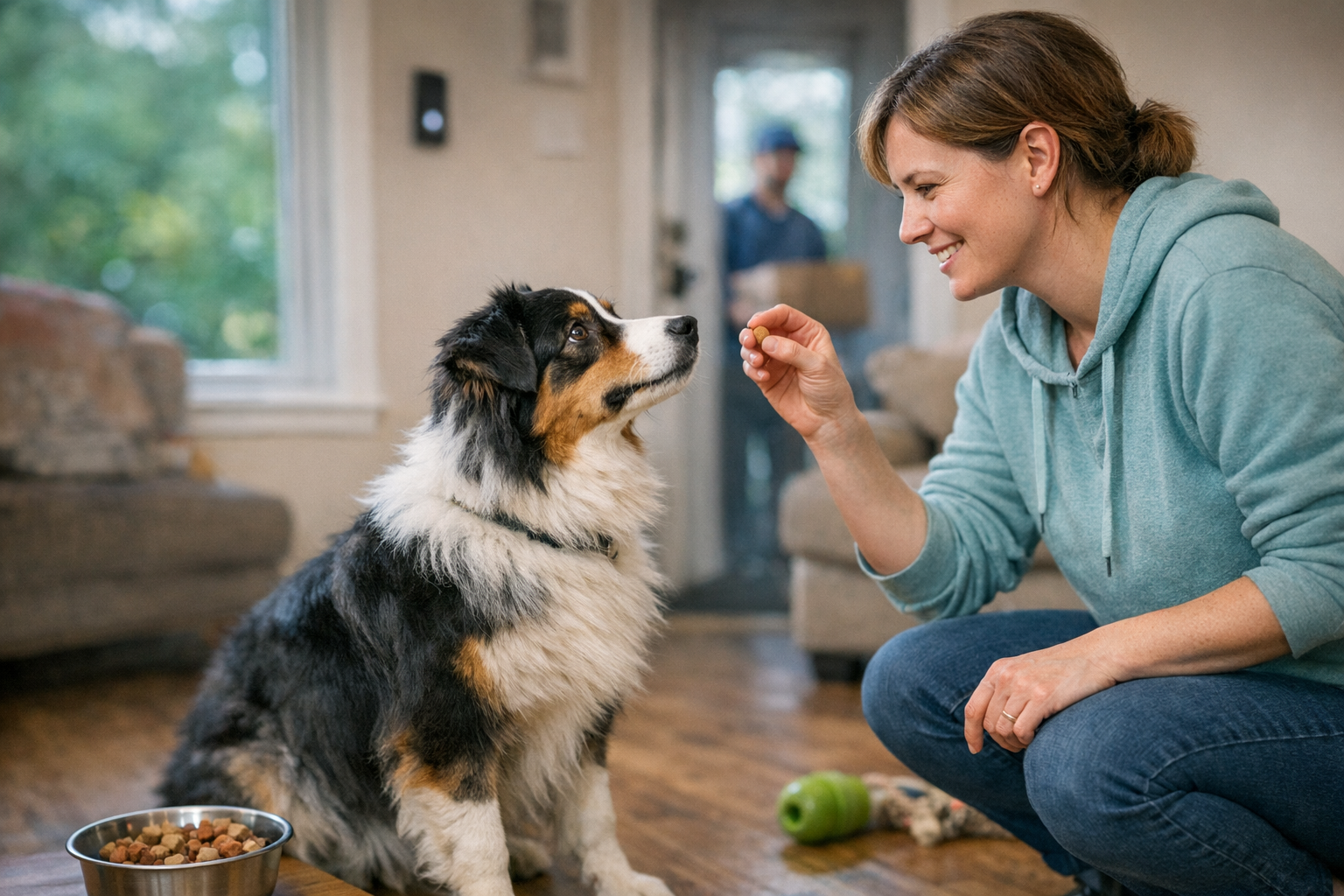
- Identify triggers: Pay attention to what prompts your dog’s barking, like doorbells or other dogs.
- Use high-value treats: Choose treats your dog loves to motivate them during training sessions.
- Be patient: Training takes time, and every dog learns at their own pace.
- Practice regularly: Short, daily training sessions are often more effective than long, sporadic ones.
Best Products or Treat Types
When selecting treats for your training sessions, consider these options:
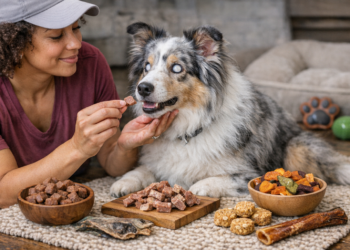
- Soft Training Treats: Easy to chew and highly palatable, they keep your dog’s attention.
- Freeze-Dried Treats: Nutrient-rich and flavorful, these are great for motivating your pup.
- Homemade Treats: Simple recipes can let you control ingredients and flavors your dog loves.
- Bite-Sized Treats: Small pieces are great for quick rewards and won’t fill your dog up too much.
- Vegetable Snacks: Carrots or sweet potatoes can work as healthy, low-calorie rewards.
Common Mistakes to Avoid
Ensure your training is successful by steering clear of these common pitfalls:
- Inconsistency in commands: Use the same word every time for “quiet” or any other cue.
- Punishing barking: Rather than punishment, focus on positive reinforcement through treats.
- Ignoring triggers: Always observe what makes your dog bark to work on those specific situations.
- Using treats too frequently: Over-reliance on treats can cause behavioral issues; always fade them out gradually.
- Not acknowledging small victories: Celebrate your dog’s small successes as they learn the new command.
FAQs
1. How long does it take to teach my dog to stop barking?
It varies by dog, but with consistency, most dogs can learn to control their barking within a few weeks.
2. Can all dogs be trained to stop excessive barking?
Yes, while some may take longer than others, with patience and the right approach, almost any dog can learn to reduce barking.
3. What if my dog only barks when left alone?
This may indicate separation anxiety. You might need to combine training with desensitization techniques and comfort items.
4. Are there specific commands besides “quiet” that help with barking?
Yes, commands like “leave it” or “come” can redirect your dog’s focus away from their barking triggers.
5. How do I know what treats to choose for my dog?
Opt for treats your dog loves. You may want to try several to see what gets their attention during training.
6. Can I use treats to stop barking at other dogs?
Yes! Use treats to redirect their attention and reward calm behavior when they see other dogs.
Conclusion
Using treats for redirection and commands is an effective way to manage your dog’s barking behavior. Remember to be patient, stay consistent, and celebrate your dog’s progress. With these techniques, you can help your dog become a quieter, happier member of the family. Happy training!