
Using Treats to Stop Your Puppy From Biting and Nipping
Puppies explore the world with their mouths, often leading to unwanted biting and nipping. Fortunately, using treats can help redirect this behavior. In this article, we’ll explore effective strategies for stopping puppy biting with the right treats and approaches.
Why This Topic Matters for Pet Parents
Dealing with a biting puppy can be stressful for pet parents. Unwanted chewing and nipping can lead to injuries and create a challenging environment. Understanding how to use treats effectively can turn biting into positive behavior and strengthen the bond between you and your puppy.
Key Insights
- Puppies bite and nip as a natural part of their development.
- Positive reinforcement is essential for effective training.
- Choosing the right type of treats can enhance learning.
- Consistency in training can help your puppy learn faster.
- Using distractions helps redirect biting behavior.
Expert Tips
Veterinarians recommend several strategies to help stop your puppy from biting and nipping:
- Use High-Value Treats: Choose treats your puppy loves. Training becomes more effective when the reward is appealing.
- Timing is Key: Give treats immediately after your puppy exhibits the desired behavior. This helps them connect the dots.
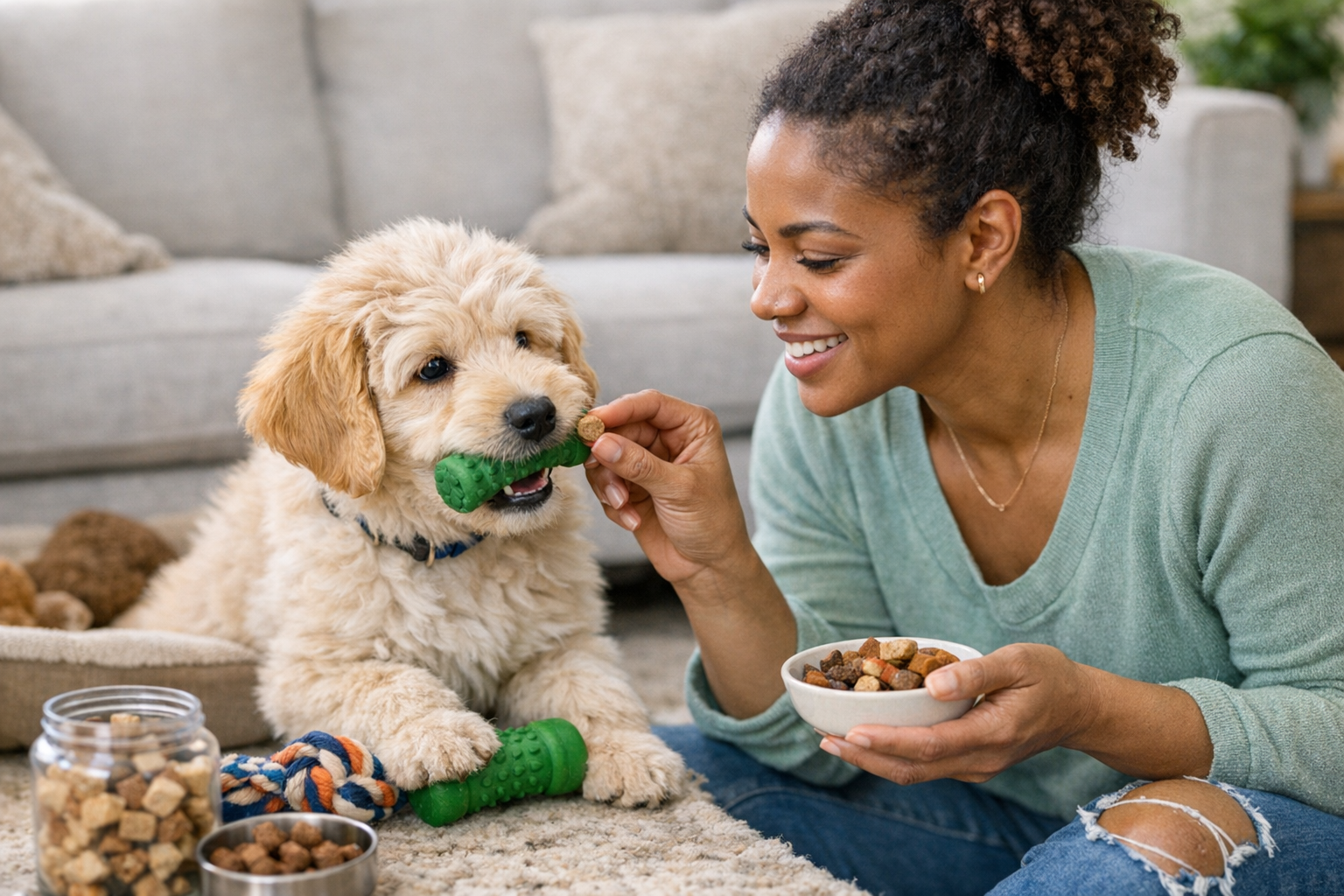
- Redirect Behavior: Whenever your puppy starts to nip, offer them a toy or treat instead. This teaches them what’s appropriate to bite.
- Use “No” Commands: Firmly say “no” when they bite, followed by offering a treat when they stop. This reinforces the behavior you want.
- Socialization: Regularly expose your puppy to other dogs and people. They learn crucial bite inhibition during play.
- Be Patient: Training takes time. Stay patient and consistent to help your puppy learn.
Best Products or Treat Types
When choosing treats for your puppy, consider these types:
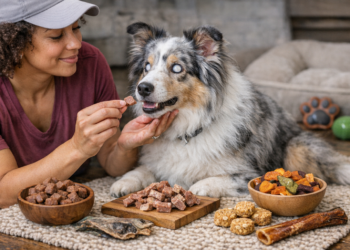
- Soft Chews: These are easy for puppies to chew and digest, making them ideal for training sessions.
- Freeze-Dried Treats: Often high in protein, they are tasty and can be broken into smaller pieces.
- Chew Toys: Durable toys designed for chewing can serve as an alternative and help relieve teething discomfort.
- Homemade Treats: Consider making treats with puppy-safe ingredients like pumpkin or peanut butter for a personal touch.
- Low-Calorie Treats: These are great for training, as they allow you to give more without overfeeding your puppy.
Common Mistakes to Avoid
To ensure effective training and treat use, avoid these common mistakes:
- Inconsistency: Changing commands or rewards can confuse your puppy. Stay consistent to aid learning.
- Using Human Food: Many human foods can be harmful to puppies. Stick to safe, pet-approved treats.
- Overusing Treats: Too many treats can lead to weight gain. Balance treats with regular meals.
- Ignoring Positive Behavior: Focusing only on negative behavior can discourage your puppy. Reward good behavior consistently.
- Not Training Regularly: Short, frequent training sessions are more effective than longer, infrequent ones. Make training a regular part of your puppy’s routine.
FAQs
1. How long does it take to stop my puppy from biting?
Every puppy is different, but with consistency and patience, you can see improvements in a few weeks.
2. Can I use both treats and verbal praise?
Absolutely! Using both treats and verbal praise can strengthen the connection between the behavior and the reward.
3. Is it okay to scold my puppy for biting?
It’s better to redirect and teach rather than scold. Positive reinforcement works best for learning.
4. How often should I train my puppy using treats?
Short training sessions of about 5-10 minutes, several times a day, are effective for puppies.
5. What should I do if my puppy doesn’t respond to treats?
Try different treats to find what motivates your puppy. If they still don’t respond, consider consulting a professional trainer.
Conclusion
Using treats to stop your puppy from biting and nipping is a proven strategy that helps foster good behavior while strengthening your bond. Remember to be patient, consistent, and positive in your approach. With the right tools and techniques, you can turn your puppy’s biting habits into friendly play, ensuring a happier life for both of you.