

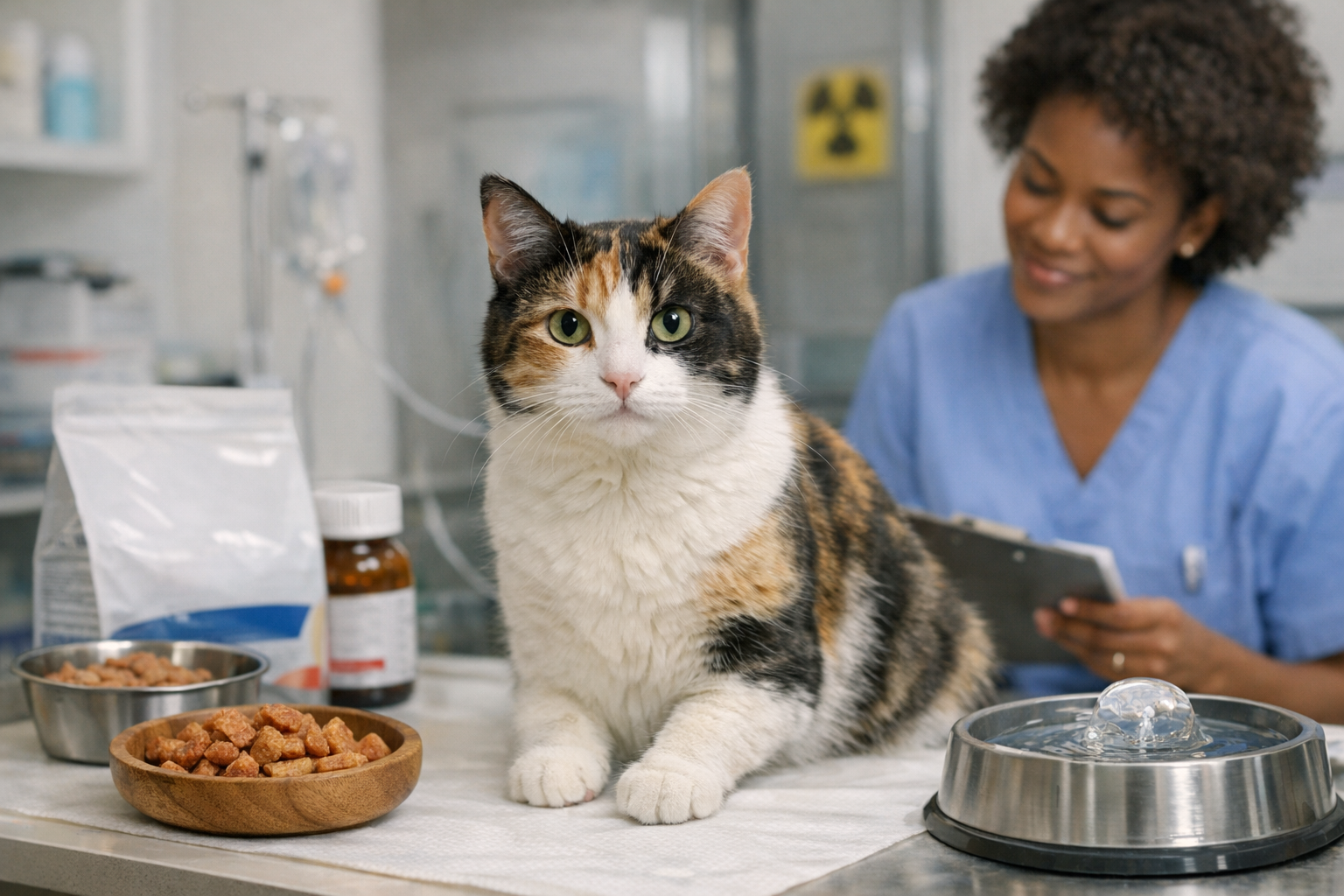
Hyperthyroidism in Cats: Treat Restrictions and Safety Guidelines
Hyperthyroidism is a common health issue in older cats. It can lead to serious problems if not managed properly. This article will explore the restrictions and safety guidelines for treating cats with hyperthyroidism, helping cat owners make informed choices.
Why This Topic Matters for Pet Parents
Understanding hyperthyroidism in cats is crucial because:
- It affects many older cats, leading to health complications.
- Proper management can improve your cat’s quality of life.
- Knowing what treats and foods to avoid can prevent worsening the condition.
Key Insights
- Hyperthyroidism is often caused by benign tumors on the thyroid gland.
- Common symptoms include increased appetite, weight loss, and hyperactivity.
- Treatment options include medication, diet, and radioactive iodine therapy.
- Special dietary restrictions are necessary for affected cats.
Expert Tips
Here are some recommendations from veterinarians:
- Consult your vet regularly for check-ups and treatment adjustments.
- Monitor your cat’s weight and appetite daily.
- Offer a balanced diet specifically formulated for hyperthyroid cats.
- Keep your cat’s environment calm and low-stress.
- Discuss any new treatments or treats with your vet before introducing them.
Best Products or Treat Types
When selecting treats for a cat with hyperthyroidism, consider these options:
- Low-iodine treats: These are essential since high iodine levels can worsen the condition.
- Prescription diets: These are often formulated to mitigate symptoms and manage iodine levels.
- Natural, low-fat treats: Opt for treats made from chicken or fish without added iodine.
- Hydration-focused products: Treats that encourage water intake can help overall health.
Common Mistakes to Avoid
To keep your cat healthy, avoid these pitfalls:
- Feeding regular cat treats that are high in iodine.
- Ignoring medication schedules or dosages.
- Overlooking weight changes, which can indicate problems.
- Failing to consult your vet about any new dietary changes.
- Not providing a stress-free environment for your cat.
FAQs
What is hyperthyroidism in cats?
Hyperthyroidism is a condition where the thyroid gland produces too much hormone, often due to non-cancerous tumors.
What are the symptoms of hyperthyroidism?
Symptoms include increased appetite, weight loss, hyperactivity, vomiting, and changes in behavior.
What dietary restrictions should I follow?
Avoid foods and treats high in iodine. Look for low-iodine diets specifically designed for hyperthyroid cats.
How can I help my cat manage this condition?
Schedule regular vet visits, follow dietary recommendations, and monitor your cat’s health closely.
Can hyperthyroidism be cured?
While hyperthyroidism can be managed effectively, it is generally considered a lifelong condition that requires ongoing treatment.
Are there any safe treats for hyperthyroid cats?
Yes, low-iodine and natural treats that are low in fat and made from quality ingredients can be suitable.
Conclusion
Managing hyperthyroidism in cats involves understanding dietary restrictions and safety guidelines. By choosing appropriate treats, staying in close contact with your veterinarian, and monitoring your cat’s health, you can help ensure a better quality of life for your furry friend. Always prioritize your cat’s specific needs and consult with your vet about the best options for treatment and nutrition.