
Teaching Your Dog to Fetch and Bring Toys Back for a Reward
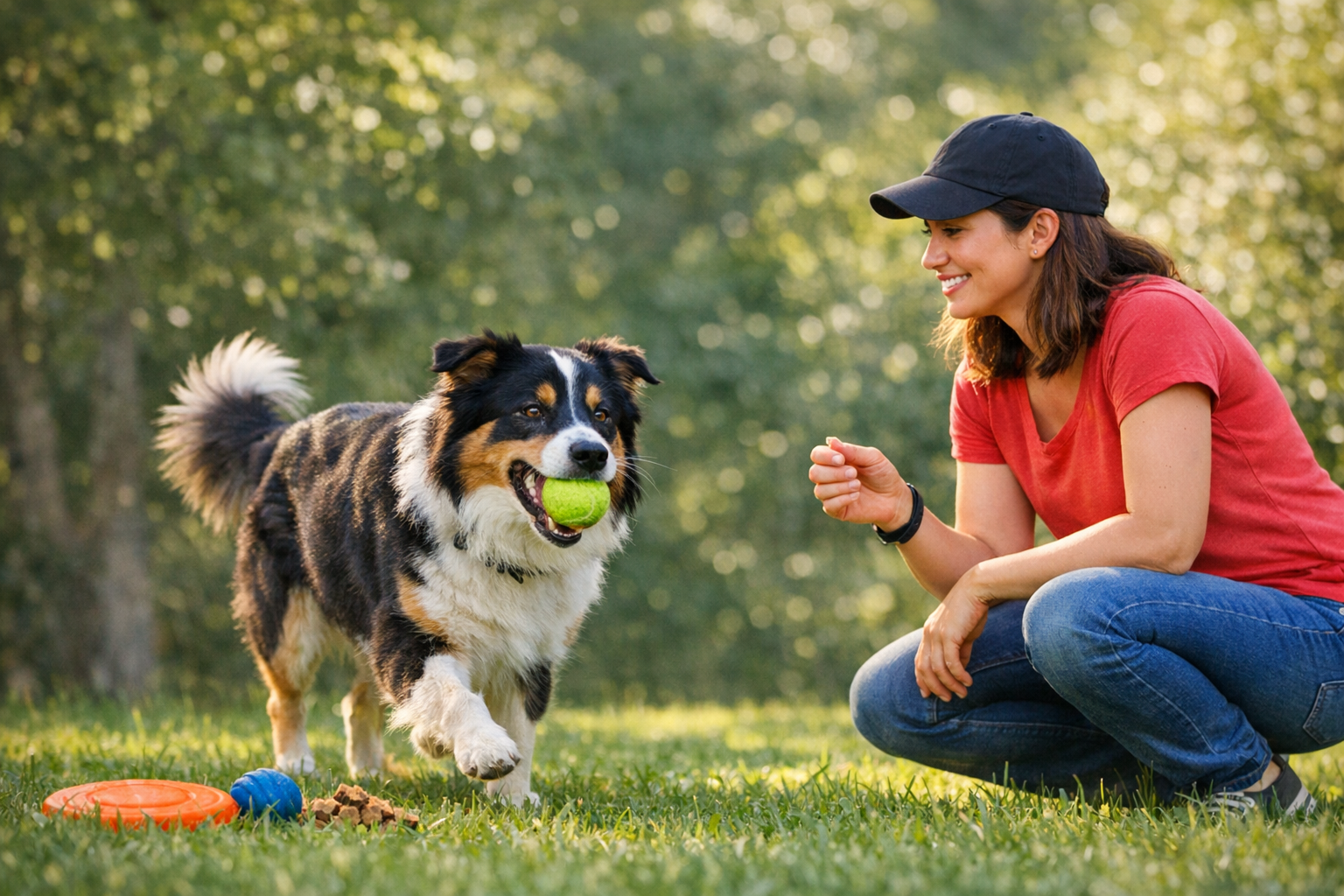
Teaching your dog to fetch is not only fun, but it can also strengthen the bond between you and your furry friend. This article will guide you through the steps of training your dog to fetch and return toys, making playtime enjoyable while reinforcing good behavior using rewards.
Why This Topic Matters for Pet Parents
Training your dog to fetch and return toys is vital for several reasons:
- It provides physical exercise, helping your dog stay healthy.
- It promotes mental stimulation, keeping your dog’s mind sharp.
- It strengthens the bond between you and your dog, fostering trust and communication.
Key Insights
Here are some important points to consider when teaching your dog to fetch:
- Start with a toy your dog loves.
- Use clear commands like “fetch” and “bring it back.”
- Be patient; some dogs may take longer to learn than others.
- Always reward your dog when they successfully fetch the toy.
- Consistency is key; practice regularly for better results.
Expert Tips
According to veterinarians and dog trainers, here are some valuable tips when training your dog:
- Choose the Right Toy: Select a toy that is safe and easy for your dog to carry.
- Keep Sessions Short: Dogs have short attention spans. Limit training to 10-15 minutes.
- Use Positive Reinforcement: Praise and treats should be given immediately after your dog brings the toy back.
- Stay in a Controlled Environment: Start your training in a quiet, familiar area to minimize distractions.
- Introduce Challenges Gradually: As your dog improves, increase the distance or add obstacles for added interest.
Best Products or Treat Types
When considering toys and treats for your dog’s training, look for:
- Durable Fetch Toys: These can include rubber balls or soft frisbees designed for dogs.
- Treats for Rewards: Small, soft treats are often the most motivating for training. Options include:
- Freeze-dried meat bites
- Cheese-flavored treats
- Peanut butter-flavored chews
- Interactive Toys: Toys that squeak or move can pique your dog’s interest even more.
Common Mistakes to Avoid
Training your dog can come with some pitfalls. Here are common mistakes to watch out for:
- Not Using a Consistent Command: Use the same word or phrase every time you want your dog to fetch.
- Forgetting to Reward: If you don’t reward your dog, they may lose interest in fetching.
- Training in Distractions: Starting in a busy area can overwhelm your dog.
- Being Too Forceful: Never use punishment. Training should be a positive experience.
- Stopping Too Soon: If you stop training before your dog masters the skill, they might not learn it well.
FAQs
Here are some frequently asked questions about teaching a dog to fetch:
- How long does it take to teach my dog to fetch?
Every dog learns at their own pace. It may take a few days to a few weeks. - What if my dog doesn’t want to fetch?
Try using a different toy or increasing the reward; sometimes motivation is key. - Can older dogs learn to fetch?
Yes, older dogs can learn new tricks, but be mindful of their physical limitations. - How do I keep my dog interested in fetching?
Rotate toys regularly and incorporate games to keep things fresh and exciting. - Is it better to train my dog indoors or outdoors?
Starting indoors is often best to minimize distractions, but outdoor training can be great once your dog understands fetching.
Conclusion
Training your dog to fetch and bring toys back can be a rewarding experience for both you and your pet. With patience, consistency, and the right approach, you can turn playtime into a fun, interactive learning session. Remember to celebrate your dog’s successes and make fetching an enjoyable activity. Happy training!