
Proofing Behaviors in Public: Using Varying Treat Rewards
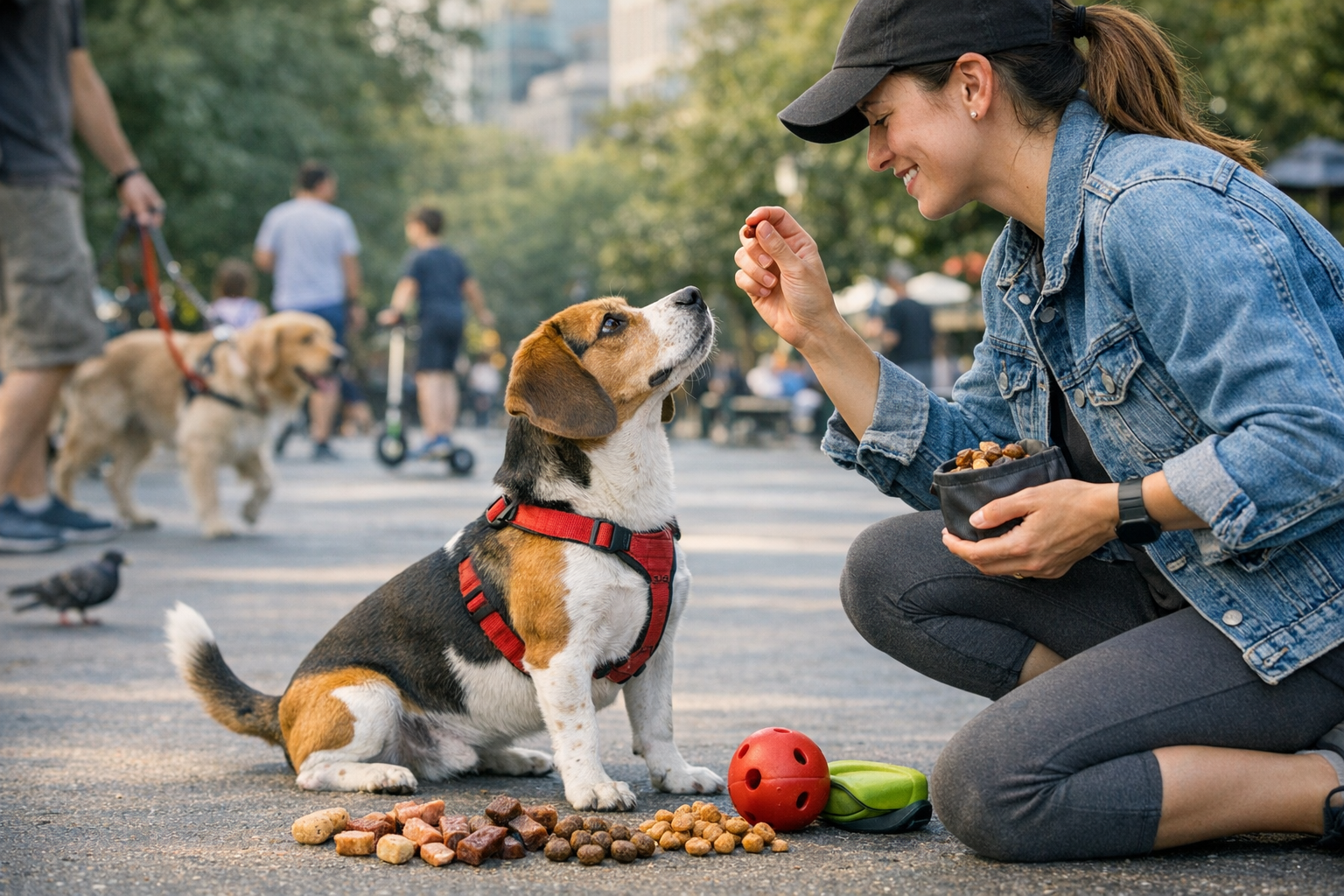
Training your pet to behave well in public is essential for both their safety and your peace of mind. By using varying treat rewards, you can motivate your furry friend to follow commands, even with distractions around. In this article, you’ll learn why this method works and how to implement it effectively.
Why This Topic Matters for Pet Parents
Public spaces are filled with distractions like people, other animals, and interesting smells. Teaching your pet to behave in these situations is crucial. Here’s why:
- Safety: A well-behaved pet is less likely to roam into danger.
- Socialization: Proper behavior helps your pet interact positively with others.
- Reduced Stress: Calm pets make outings more enjoyable for everyone.
Key Insights
- Positive Reinforcement: Rewarding good behavior encourages pets to repeat those actions.
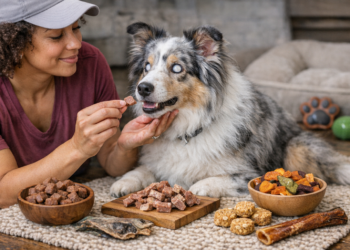
- Variety in Treats: Different treats can keep your pet engaged and excited.
- Gradual Exposure: Slowly increase distractions to help your pet learn to focus in any situation.
- Consistency is Key: Always reward good behavior immediately to reinforce learning.
Expert Tips
Veterinarians recommend these strategies for effective training:
- Choose High-Value Treats: Use treats your pet loves. These should be something special they don’t get every day.
- Practice in Quiet Spaces First: Start training in a calm environment before moving to busier areas.
- Change Treats Regularly: Mixing up the types of treats can keep your pet motivated.
- Short Sessions: Keep training sessions brief (5-10 minutes) to prevent burnout and boredom.
- Be Patient: Some behaviors take time to master, so remain calm and supportive.
Best Products or Treat Types
When looking for treats to use in training, consider the following types:
- Soft Chewy Treats: These are easy for pets to chew and digest quickly.
- Small, Bite-Sized Treats: Mini treats are perfect for quick reward without filling them up.
- High-Protein Snacks: Options like freeze-dried meat or fish are often irresistible.
- Homemade Treats: Making your own treats allows you to control ingredients and flavors.
- Treat Puzzles: Toys that dispense treats can provide a fun challenge and reward at the same time.
Common Mistakes to Avoid
Training can be challenging. Here are mistakes to avoid:
- Not Rewarding Quickly: Delaying a reward can confuse your pet about what behavior was good.
- Using the Same Treats: Sticking to one treat can lead to boredom and less motivation.
- Skipping Steps: Omitting gradual exposure can overwhelm your pet in busy environments.
- Getting Frustrated: If you feel angry or impatient, your pet may pick up on this energy.
- Ignoring Your Pet’s Stress Signals: If your pet is anxious, take a step back and practice in less distracting areas.
FAQs
- How long does training take?
Training times vary widely. Some pets may learn quickly, while others need extra practice. Consistent short sessions are key. - Can I use regular food as treats?
Yes! If your pet loves their kibble or another type of food, feel free to use it as a training reward. Just make sure they stay motivated! - What if my pet is not interested in treats?
Try using their favorite toy or praise as a reward. Not all pets are food-driven, and many respond well to affection. - How often should I practice in public?
Aim for a few short sessions a week. The key is consistency and gradually increasing the level of distractions. - Is it normal for my pet to be distracted at first?
Yes! Distractions can be overwhelming, especially in new environments. Patience is essential.
Conclusion
Proofing your pet’s behavior in public is an important part of responsible pet ownership. By using varying treat rewards, you can effectively reinforce good behavior in different environments. Remember to be consistent, patient, and to choose the right rewards for your pet. With practice, you and your furry friend can enjoy outings together, creating positive experiences for both of you!