
Guide to Choosing Treats for Small Breed Dogs (Size & Texture Matters)
Choosing the right treats for small breed dogs is crucial for their health and happiness. With so many options available, pet parents need to consider the size and texture of treats specifically designed for smaller dogs. This guide will help you find the perfect treats that suit your furry friend’s needs.
Why This Topic Matters for Pet Parents
Small breed dogs have different nutritional needs than larger breeds. They often have smaller mouths and require treats that are easy to chew and digest. Choosing the right treats can improve their overall health, help with training, and strengthen your bond.
Key Insights
- Small dogs need smaller, softer treats to avoid choking risks.
- Texture matters; crunchy treats can help with dental health.
- Look for treats without harmful additives or fillers.
- Check the calorie count, as small dogs are prone to obesity.
- Choose treats that fit your dog’s dietary requirements, such as grain-free or limited-ingredient options.
Expert Tips
Veterinarians offer valuable insights when it comes to selecting treats for small breed dogs. Here are some expert recommendations:
- Consider Size: Treats should be appropriately sized for your dog’s mouth. Look for treats labeled for small breeds.
- Check Texture: Soft treats are often easier for small dogs to chew. Look for those made with natural ingredients.
- Watch the Calories: Limit treats to around 10% of your dog’s daily calorie intake to prevent obesity.
- Vet-Approved Ingredients: Opt for treats with whole food ingredients and avoid those with artificial preservatives or colors.
- Training Treats: Choose tiny, low-calorie treats for training sessions to keep your dog motivated without adding too many extra calories.
Best Products or Treat Types
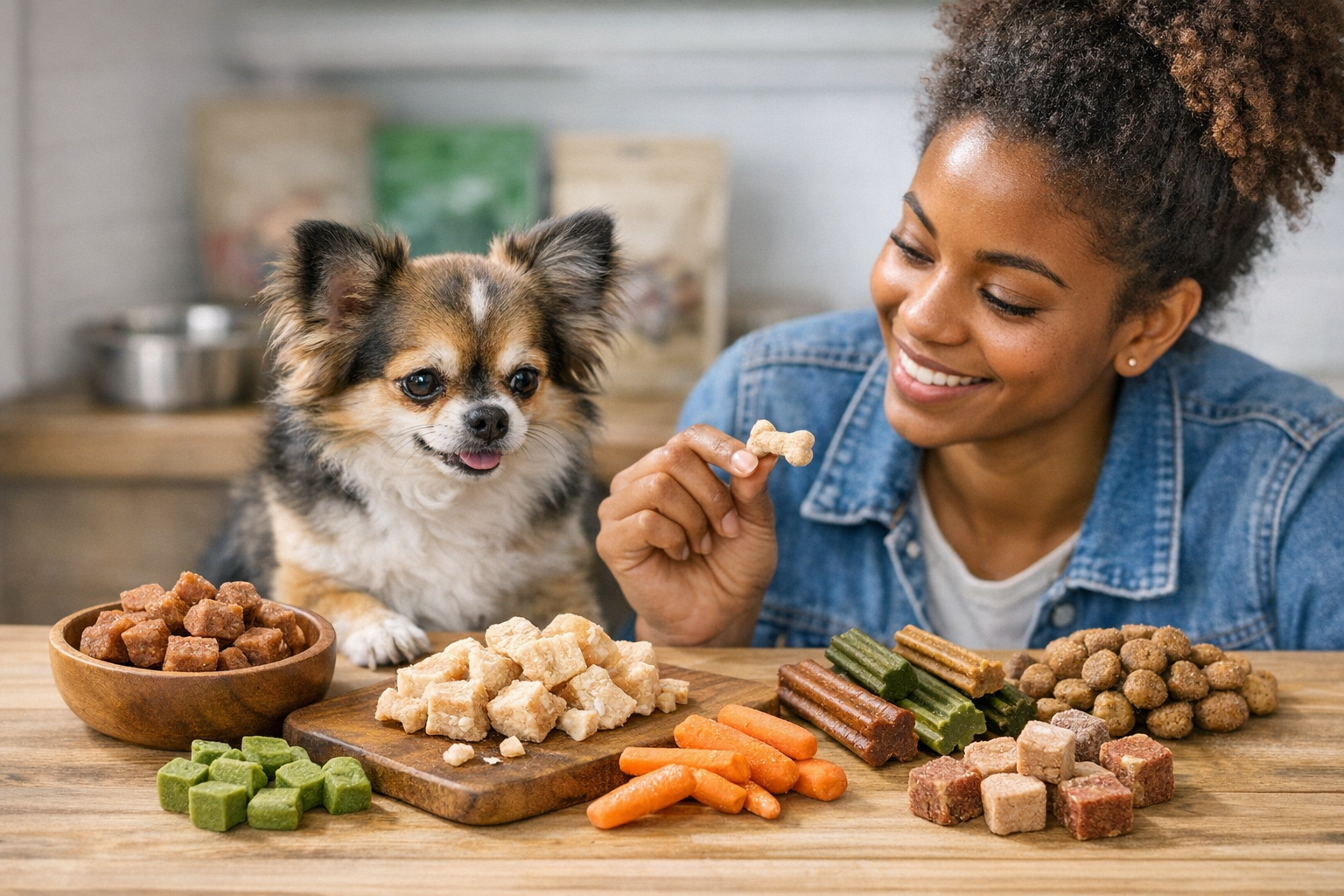
When selecting treats for small breed dogs, consider the following popular options:
- Soft Chews: Great for puppies or senior dogs, these treats are easy to chew.
- Dental Chews: These crunchy treats can help keep your dog’s teeth clean while providing a tasty reward.
- Freeze-Dried Treats: Made from real meat or fish, these treats are high in protein and nutrient-rich.
- Vegetable-Based Treats: Carrots, sweet potatoes, or peas can be excellent healthy options.
- Homemade Treats: Making treats at home allows you to control the ingredients and avoid harmful additives.
Common Mistakes to Avoid
Pet parents should be aware of common pitfalls when selecting treats for small breed dogs. Here are some mistakes to avoid:
- Ignoring Calorie Counts: Treats can add hidden calories, leading to weight gain if not monitored.
- Choosing the Wrong Size: Large or hard treats can pose choking hazards for small dogs.
- Over-treating: Treats should complement their diet and not replace nutritious meals.
- Skipping Allergy Checks: Always check if your dog has food allergies or sensitivities before introducing new treats.
- Not Having Variety: Dogs can get bored with the same treats. Rotate different types to keep them interested.
FAQs
- What is the best size of treats for small breed dogs?
- Are soft treats better than crunchy ones?
- How often should I give my small dog treats?
- Can I use human food as treats?
- What should I look for on treat labels?
Treats should be small enough for your dog to chew comfortably, usually around the size of a pea or a marble.
It depends on your dog’s preference and dental health. Soft treats are easier to chew, while crunchy treats can help clean teeth.
Treats should make up no more than 10% of your dog’s daily caloric intake. Treating during training is encouraged, but be mindful of amounts.
Some human foods are safe as treats (like cooked chicken or carrots), but always check for foods that are toxic to dogs, such as chocolate or grapes.
Look for whole ingredients, high protein content, and avoid artificial additives and by-products.
Conclusion
Choosing the right treats for small breed dogs is essential for their health and well-being. By considering size and texture, monitoring calorie intake, and being mindful of ingredients, you can ensure your furry friend enjoys tasty and safe treats. With the right choices, treat time can be a joyful experience for both you and your small dog!