
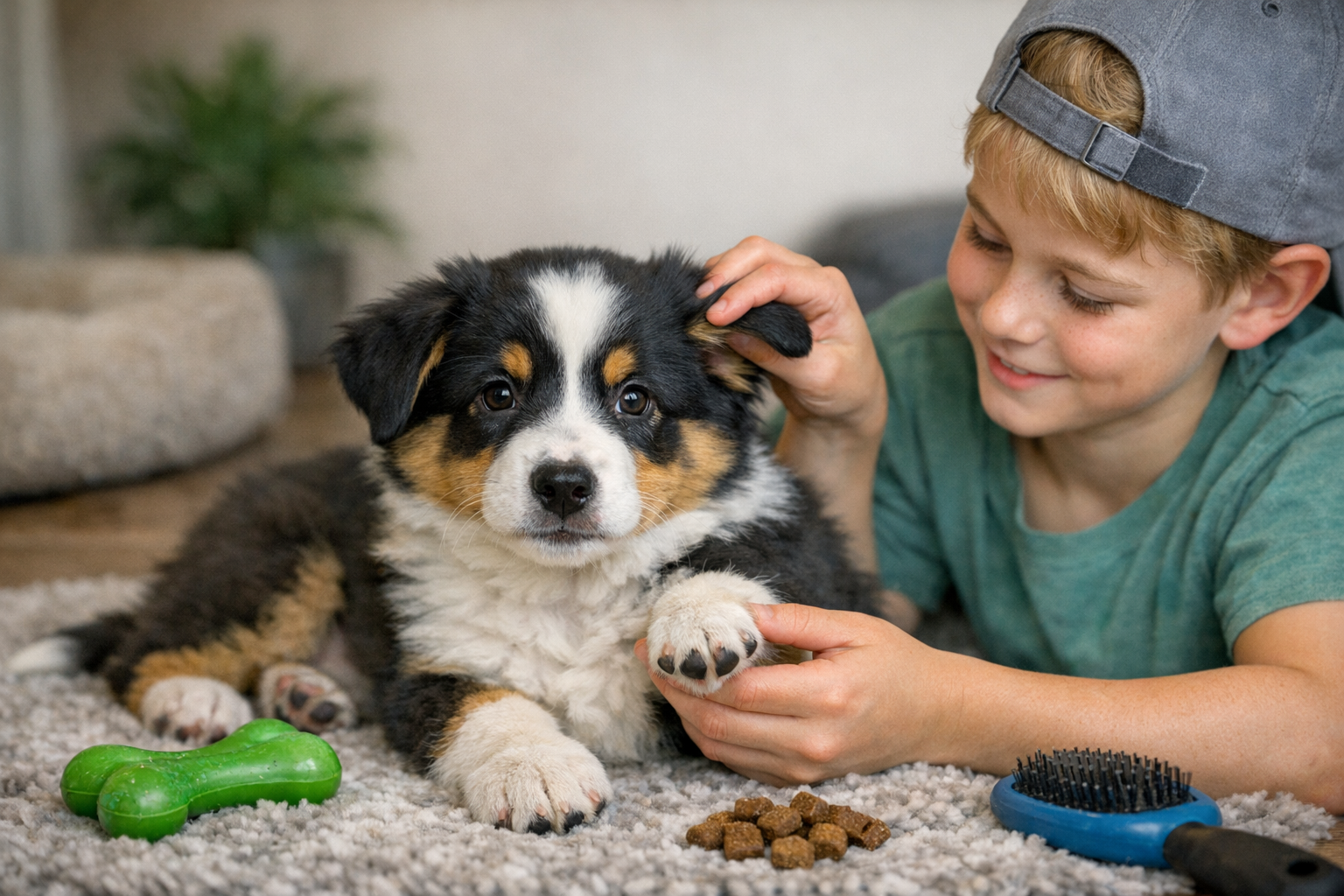
How to Teach Your Puppy to Enjoy Being Handled (Paws, Ears, Tail)
Teaching your puppy to enjoy being handled is essential for their well-being and safety. This skill prepares them for grooming, vet visits, and handling in everyday situations. With patience and positive reinforcement, you can make handling a pleasant experience for your furry friend.
Why This Topic Matters for Pet Parents
Learning to handle your puppy is crucial for several reasons:
- Improves the bond between you and your pup.
- Makes grooming and vet visits easier.
- Helps in assessing their health and comfort level.
- Reduces anxiety and fear of being touched.
Key Insights
Here are some essential insights to consider:
- Start early: Introduce handling when your puppy is young.
- Use positive reinforcement: Treats and praise go a long way.
- Be gentle and calm: This helps your pup feel safe.
- Gradually increase the duration and intensity of handling.
- Pay attention to your puppy’s body language.
Expert Tips
Veterinarians recommend the following strategies for teaching your puppy to enjoy being handled:
- Use Relaxation Techniques: Start handling sessions in a quiet area. This minimizes distractions.
- Break It Down: Handle one area at a time, such as paws, ears, or tail. Spend a few minutes on each.
- Positive Associations: Pair handling with things your puppy loves, like treats or toys. This builds a positive connection.
- Regular Practice: Incorporate handling into daily routines gradually. Regularity helps your puppy acclimate.
- Stay Calm: Your feelings affect your puppy. If you’re calm, your puppy is more likely to be calm.
- Invite Them to Come to You: Let your puppy approach you for handling instead of forcing contact.
Best Products or Treat Types
Consider using the following types of products and treats to make handling enjoyable:
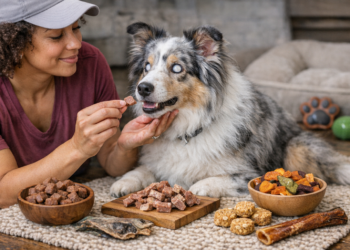
- Soft Treats: These are easy to chew and can be quickly eaten during handling sessions.
- Chewy Toys: Offer a distraction while you gently handle their paws, ears, or tail.
- Comfortable Leashes: A soft leash can make your puppy feel secure during handling.
- Matted Brushes: Providing a gentle brush can help them relax while being touched.
Common Mistakes to Avoid
Be aware of these common mistakes to ensure success:
- Rushing the Process: Take your time; pushing too hard can lead to fear.
- Ignoring Signs of Stress: Pay attention to your puppy’s body language; don’t ignore signs of discomfort.
- Inconsistent Handling: Consistency is key; handling should be part of their routine.
- Using Negative Reinforcement: Avoid yelling or punishing your puppy for resisting handling.
- Forgetting to Reward: Always reinforce positive behavior with treats and praise.
FAQs
1. At what age should I start handling my puppy?
Start handling your puppy as early as 8 weeks old. Early exposure helps them feel more comfortable as they grow.
2. How long should I handle my puppy at a time?
Begin with just a few minutes per session. Gradually increase the time based on your puppy’s comfort level.
3. What if my puppy resists being handled?
Take a step back. Use treats and gentle encouragement. Don’t force the handling; instead, let them come to you.
4. How can I tell if my puppy is stressed during handling?
Watch for signs like growling, stiff body posture, or trying to move away. If you see these signs, stop and give them space.
5. Should I handle my puppy every day?
Yes! Regular handling helps them become desensitized and more comfortable. Just ensure it stays positive.
6. What if my puppy has specific areas they dislike being touched?
Take your time with those areas. Introduce gentle touches and rewards slowly, allowing them to adjust.
Conclusion
Teaching your puppy to enjoy being handled is essential for their health and happiness. By starting early and using positive reinforcement, you can create a trusting bond. Remember to be patient, consistent, and calm. Celebrate the small victories along the way, and you’ll develop a strong relationship with your furry friend. Happy handling!