

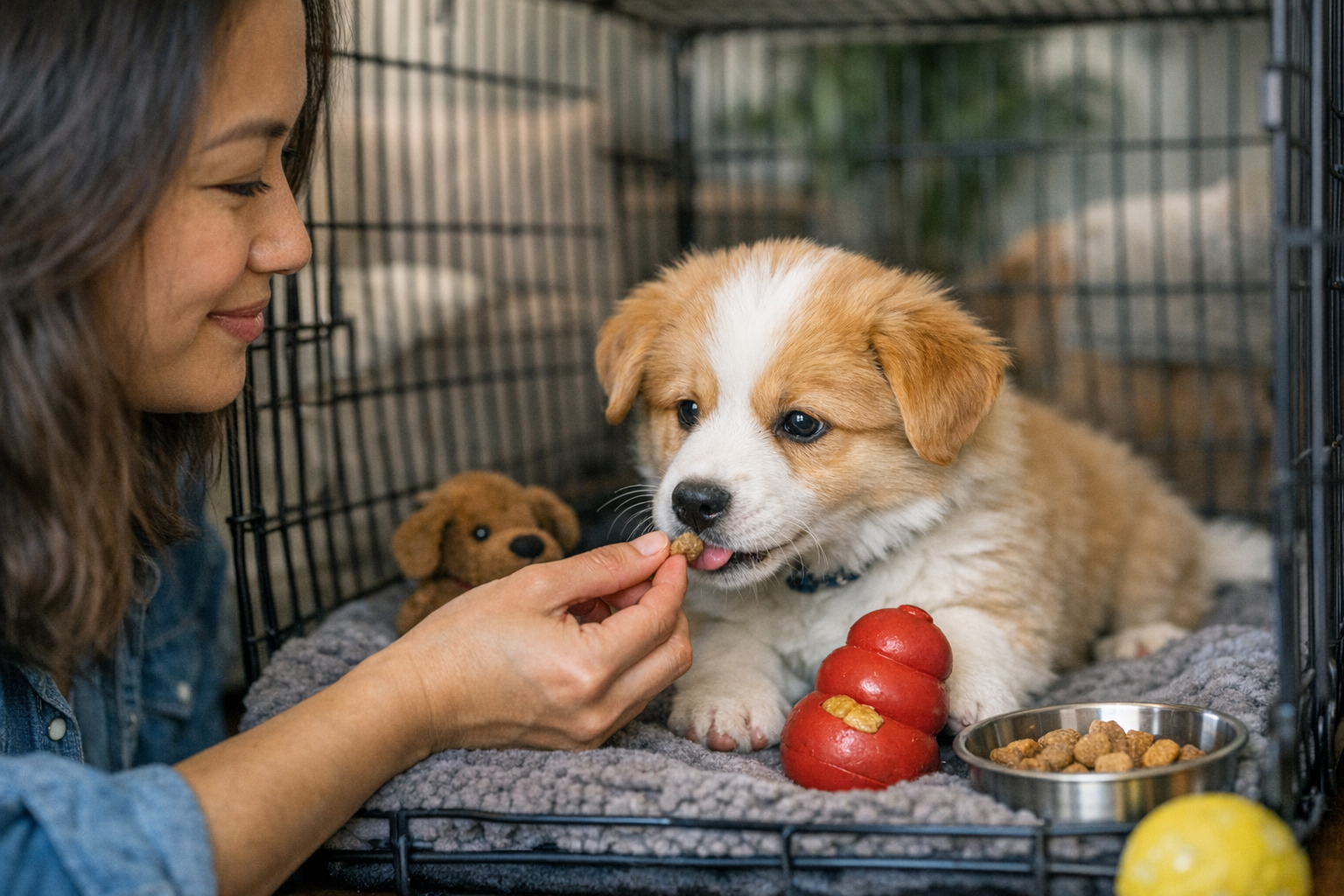
Introducing a New Puppy to the Crate: The Treat-Only Zone
Crate training your new puppy can be a rewarding experience. Making the crate a positive place with treats can ease the transition. This guide will help you turn the crate into a treat-only zone that your puppy will love.
Why This Topic Matters for Pet Parents
Understanding crate training is essential for pet parents. Here are some reasons why:
- Crate training provides a safe space for your puppy.
- It helps with housebreaking and establishing routines.
- A crate can reduce anxiety for both puppy and owner.
Key Insights
To create a positive crate experience, it’s important to follow certain strategies:
- Introduce the crate slowly to avoid fear.
- Use treats to create positive associations.
- Keep the crate comfortable and inviting.
- Practice short crate sessions to build comfort.
- Always supervise your puppy during initial crate time.
Expert Tips
Here are some veterinarian-style recommendations to help you effectively crate train your puppy:
- Create Comfort: Place soft bedding and your puppy’s favorite toy inside the crate.
- Use Treats Wisely: Use high-value treats like small pieces of chicken or cheese to entice your puppy.
- Gradual Learning: Start by having the puppy enter the crate for just a few minutes a day.
- Establish Routine: Set regular times for crate training to create a schedule your puppy can follow.
- Positive Reinforcement: Praise your puppy every time they enter the crate to reinforce good behavior.
Best Products or Treat Types
Choosing the right treats can make a big difference in your puppy’s crate training journey. Here are some great options:
- Soft Chewy Treats: Look for treats that are easy to chew and digest.
- Training Treats: Small, low-calorie treats that keep your puppy motivated.
- Freeze-Dried Treats: They usually have high meat content and are often very appealing to puppies.
- Peanut Butter Stuffed Toys: You can fill a toy with puppy-safe peanut butter to encourage crate time.
- Homemade Treats: Simple recipes using oats, pumpkin, and whole grains can be healthy and fun.
Common Mistakes to Avoid
It’s easy to make mistakes during crate training. Here are common pitfalls to watch out for:
- Using the crate as punishment, which creates negative associations.
- Closing the door too soon, which can overwhelm the puppy.
- Leaving the puppy in the crate for too long, leading to anxiety.
- Not providing enough positive reinforcement and treats.
- Ignoring the puppy’s needs for potty breaks during training sessions.
FAQs
- How long can I leave my puppy in the crate? Generally, puppies can hold it for one hour for every month of age plus one hour. For example, a 3-month-old puppy can stay in the crate for about 4 hours.
- What if my puppy cries in the crate? It’s important to stay calm. If it’s a distressed cry, it may need a potty break. If it’s just fussing, waiting a minute can help.
- Should I cover the crate? Yes, covering the crate with a blanket can help it feel more secure, but make sure there’s proper ventilation.
- Can adult dogs be crate trained? Yes! Adult dogs can also be crate trained, but the process may take longer.
- Is crate training safe for all dogs? Most dogs benefit from crate training, but those with severe anxiety or past trauma may need alternative methods.
Conclusion
Introducing your new puppy to the crate as a treat-only zone can turn into a wonderful bonding experience. By creating a positive environment with comfort, treats, and proper training techniques, you can make the crate a safe haven for your puppy. Avoid common mistakes, follow expert tips, and you’ll pave the way for a well-adjusted furry friend!