

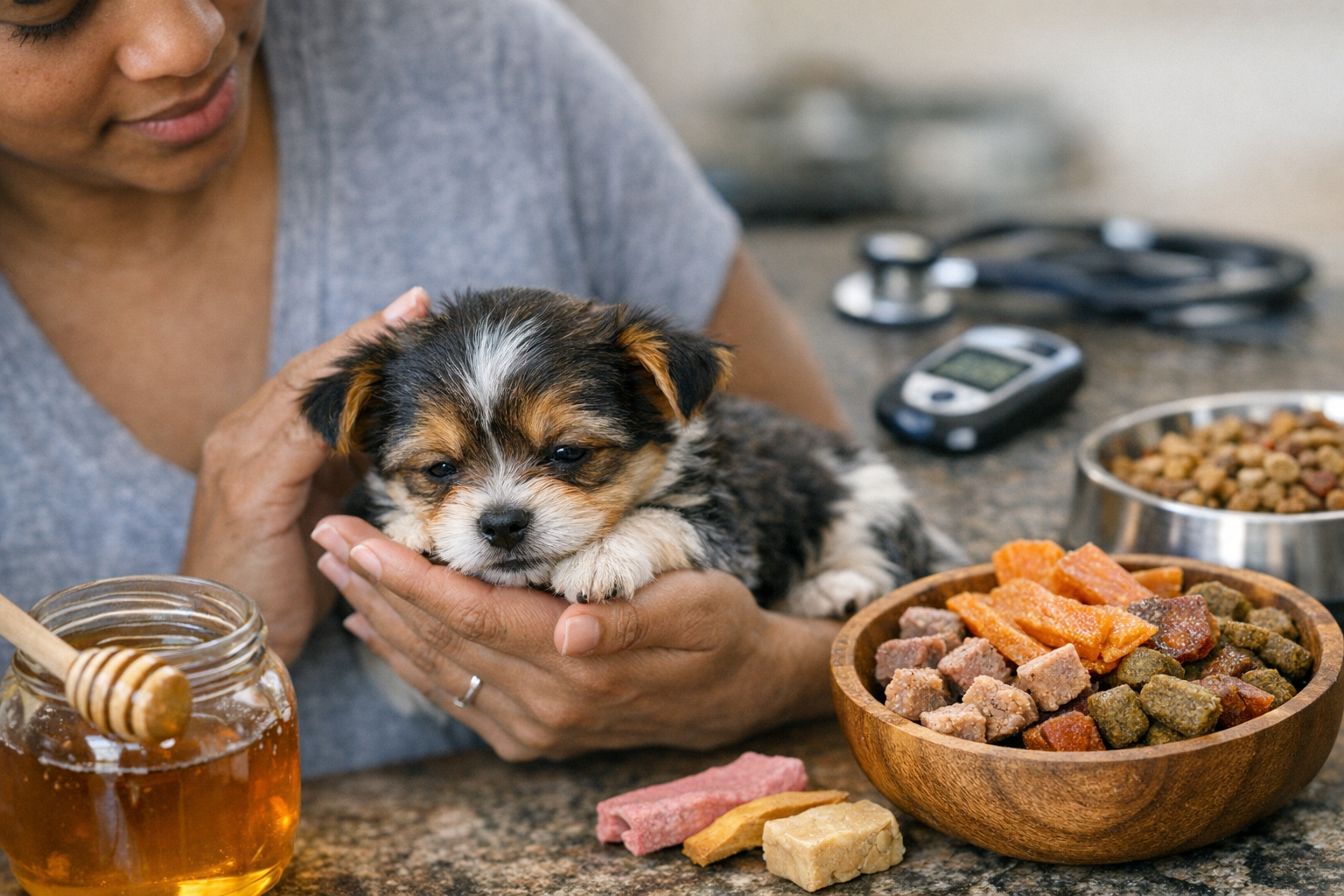
Recognizing and Preventing Hypoglycemia in Small Breed Dogs (Treat-Related)
Hypoglycemia is a serious issue for small breed dogs, especially when it relates to treats. Understanding this condition can help you keep your furry friend healthy. In this article, we’ll cover the importance of this topic, key insights, expert tips, common mistakes, and more.
Why This Topic Matters for Pet Parents
Small breed dogs, like Chihuahuas and Pomeranians, are at a higher risk for hypoglycemia. This condition occurs when their blood sugar levels drop too low, which can happen for various reasons, including inadequate nutrition or the types of treats they consume. As a pet parent, knowing how to recognize and prevent hypoglycemia can be life-saving.
Key Insights
- Small breeds are more susceptible: Their small size makes them more vulnerable to sharp drops in blood sugar.
- Symptoms to watch for: Signs include weakness, confusion, shaking, and lethargy.
- Treat composition matters: Treats high in sugar can lead to quick spikes and drops in blood glucose levels.
- Diet is crucial: A balanced diet helps maintain stable blood sugar levels.
Expert Tips
Here are some veterinarian-style recommendations to help you keep your small breed dog safe from hypoglycemia:
- Regular feeding schedule: Feed your dog at the same times each day to maintain steady blood sugar levels.
- Choose treats wisely: Look for low-sugar or high-protein treats that support healthy blood sugar levels.
- Monitor weight: Regularly check your dog’s weight. Sudden weight loss can be a sign of health issues.
- Consult your vet: If your dog has a history of hypoglycemia, speak with your veterinarian about dietary plans.
- Emergency plan: Always have honey or Karo syrup on hand in case of a hypoglycemic episode.
Best Products or Treat Types
Choosing the right treats can help prevent hypoglycemia in small dogs. Here are some great options:
- Low-glycemic treats: Treats formulated to release glucose slowly can be beneficial.
- High-protein snacks: Options like freeze-dried meats can help stabilize blood sugar levels.
- Healthy chews: Natural chews made from sweet potatoes or pumpkin are nutritious and low in sugar.
- Soft training treats: These often have balanced ingredients that can be safer for small dogs.
Common Mistakes to Avoid
Avoiding common pitfalls can help you protect your small breed dog from hypoglycemia:
- Skipping meals: Don’t skip meals or give inconsistent portions.
- Using high-sugar treats: Avoid treats loaded with sugar, which can lead to sharp spikes and drops in blood sugar.
- Ignoring symptoms: Do not overlook signs of hypoglycemia. Acting quickly can save your dog’s life.
- Not rotating treats: Using the same treat repeatedly can lead to dietary imbalances.
FAQs
- What is hypoglycemia?
Hypoglycemia is a condition where blood sugar levels fall below normal, which can cause weakness and other symptoms. - How can I tell if my dog has hypoglycemia?
Watch for signs like shaking, confusion, weakness, and lethargy. - Are all dog treats safe for small breeds?
No, not all treats are safe. Choose treats that are low in sugar and specially formulated for small breeds. - Can I use human food for dog treats?
Some human foods are safe, like cooked meats or vegetables, but always check what is safe for dogs before feeding. - How often should I feed my small breed dog?
Most small dogs should be fed at least twice a day to maintain stable blood sugar levels.
Conclusion
Hypoglycemia is a serious health concern for small breed dogs, especially when it comes to treats. By understanding the condition, recognizing symptoms, and choosing the right products, you can help prevent this issue. Always consult your veterinarian for personalized advice and keep a close eye on your pup’s diet to ensure they stay healthy and happy.