
Treat-Based Games for Senior Dogs: Keeping Their Minds Sharp
As dogs age, staying mentally active becomes just as important as physical health. Treat-based games can enrich the lives of senior dogs by keeping their minds engaged and spirits high. This article explores the importance of mental stimulation for aging pets, offers practical tips, and shares fun games that use treats to keep your furry friend sharp.
Why This Topic Matters for Pet Parents
Senior dogs often face cognitive decline, which can lead to confusion and anxiety. Engaging their minds can help slow down these processes. Here’s why treat-based games are essential:
- Enhances mental stimulation, reducing the risk of cognitive issues.
- Strengthens the bond between you and your dog.
- Keeps your dog physically active, improving overall health.
Key Insights
- Mental stimulation helps combat age-related decline in dogs.
- Using treats makes activities more enjoyable and motivating.
- Short, frequent play sessions are often better for senior dogs.
- Variety is key; mixing up games keeps things interesting.
Expert Tips
Veterinarians and pet care experts recommend several strategies for keeping your senior dog sharp:
- Start Slow: Introduce new games gradually to avoid overwhelming your dog.
- Use Soft Treats: Choose treats that are easy to chew and digest, especially for dogs with dental issues.
- Monitor Health: Keep an eye on your dog’s physical capabilities. Adjust games accordingly.
- Establish Routine: Regular playtime helps create a structure, which can be comforting for senior dogs.
- Incorporate Commands: Use known commands during play to reinforce learning and obedience.
Best Products or Treat Types
When choosing treats for games, consider these options:
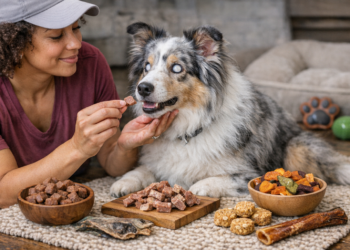
- Soft Chews: Easy on the teeth and great for older dogs.
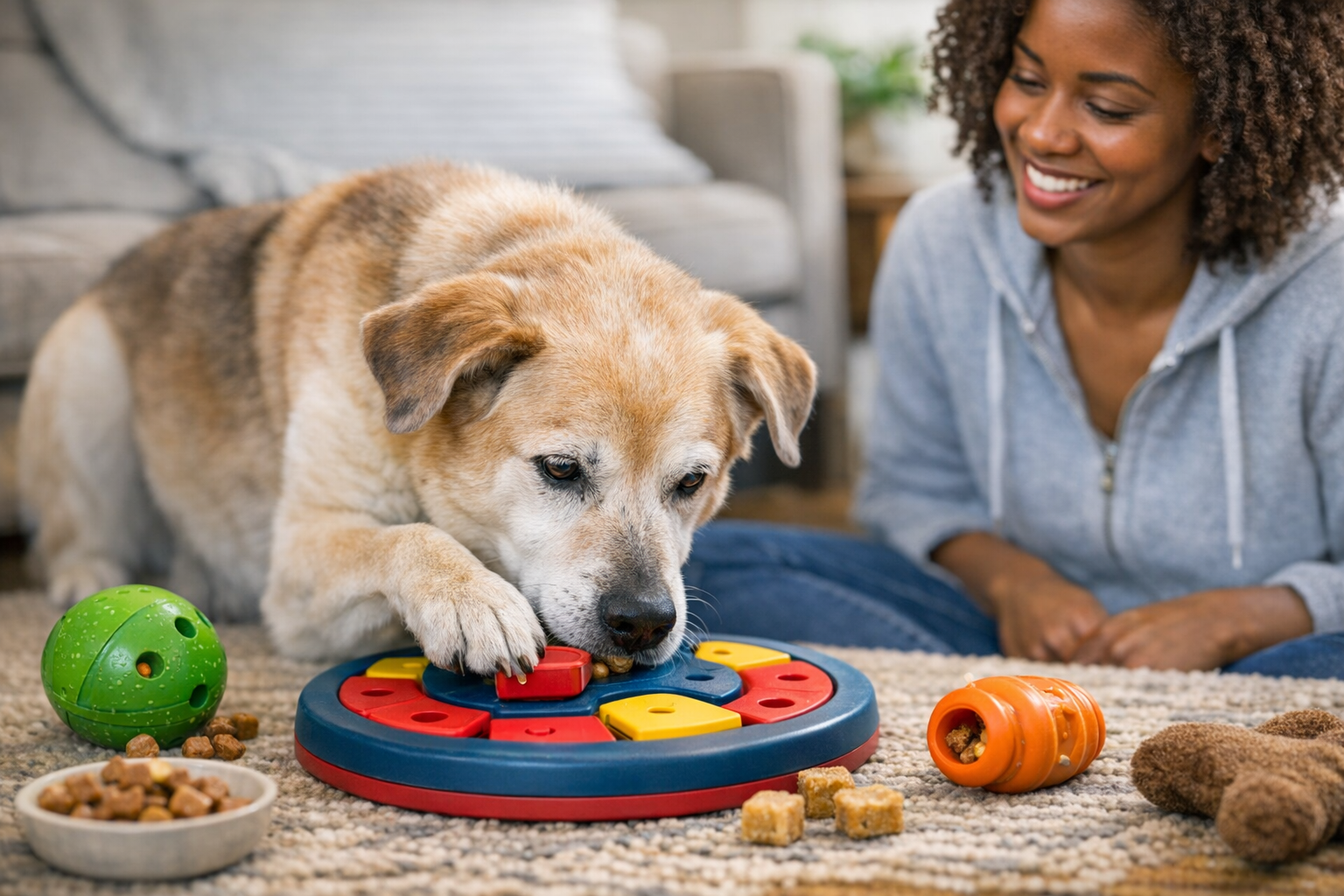
- Puzzle Toys: These require dogs to solve challenges to get to the treats.
- Homemade Treats: Simple recipes can ensure your dog gets healthy ingredients without additives.
- Treat Dispensing Balls: Fun and engaging, these can roll around, making your dog work for treats.
Common Mistakes to Avoid
Here are some pitfalls to watch out for when playing treat-based games:
- Overdoing It: Don’t play for too long; short sessions are best to keep your dog engaged.
- Ignoring Safety: Avoid small or hard treats that could pose choking hazards.
- Neglecting Supervision: Always supervise your dog during play to prevent accidents.
- Sticking to One Game: Repeating the same game can become boring; switch it up!
FAQs
- How often should I play treat-based games with my senior dog?
Aim for short sessions (10–15 minutes) at least a few times a week. - Can treat-based games help with anxiety in senior dogs?
Yes! Engaging their minds can reduce stress and anxiety. - What if my dog is not interested in games?
Start with simple ones and gradually work up. Try different treats or toys to find what excites them. - Are there any specific treat types I should avoid?
Steer clear of treats that are too hard, high in sugar, or have artificial ingredients. - How can I tailor games for dogs with mobility issues?
Use stationary games, like hiding treats for them to find, to accommodate their needs.
Conclusion
Treat-based games for senior dogs are not just fun; they are vital for keeping their minds sharp and spirits high. Implementing engaging activities can enhance their quality of life while fostering a deeper bond between you and your pet. Remember to keep it fun, mix things up, and always put their safety and health first. By doing so, you will provide a loving and stimulating environment that helps your beloved senior dog thrive.