
DIY Treats: Safe Spices and Herbs to Add for Flavor and Health
Are you looking to make delicious and healthy treats for your furry friend? Adding safe spices and herbs can enhance both flavor and health benefits. In this article, we’ll explore the best spices and herbs to include in your homemade pet treats.
Why This Topic Matters for Pet Parents
As pet parents, we want the best for our pets. Healthy treats can not only make our pets happy but also provide nutritional benefits. Understanding which spices and herbs are safe is essential for crafting treats that are both tasty and good for your pet’s health.
Key Insights
- Flavor Enhancers: Spices and herbs can make treats more appealing to pets.
- Health Benefits: Many herbs and spices offer unique health benefits, such as anti-inflammatory properties.
- Safety Matters: Not all spices are safe for pets, so knowing which ones are safe is crucial.
Expert Tips
Here are some veterinarian-style recommendations for using herbs and spices in your pet treats:
1. **Start Small**: Introduce one herb or spice at a time to monitor for any allergic reactions.
2. **Quality Over Quantity**: Use fresh herbs or high-quality dried spices to maximize flavor and health benefits.
3. **Consult Your Veterinarian**: Always consult with your vet before introducing new ingredients, especially if your pet has existing health conditions.
4. **Check for Toxicity**: Make sure to avoid common harmful spices like onion powder, garlic powder, and nutmeg.
5. **Use Sparingly**: A little spice goes a long way. Use these additions in moderation.
Best Products or Treat Types
When looking to make DIY treats, consider these types of products to combine with safe spices and herbs:
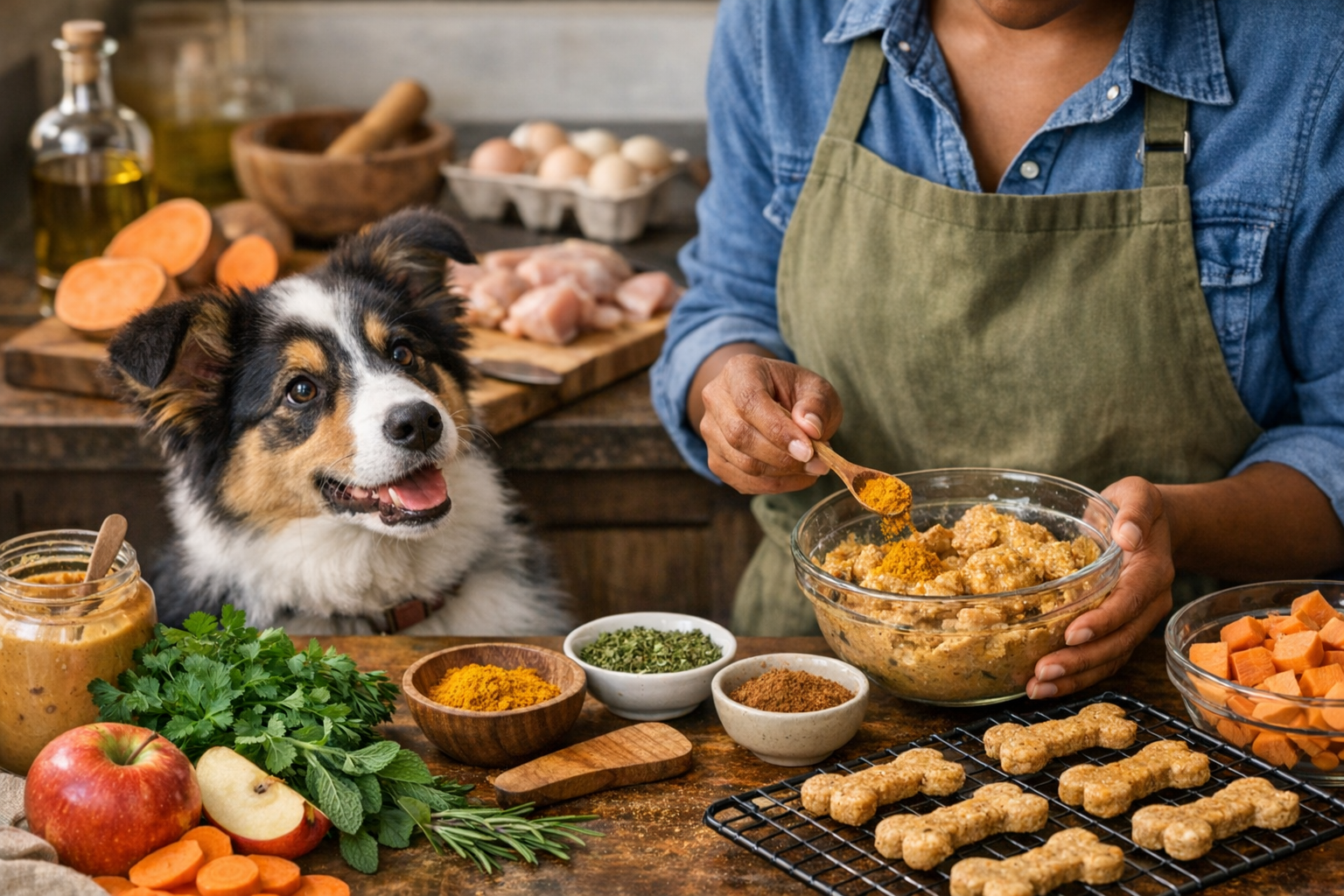
– **Peanut Butter Treats**: Mix in cinnamon or turmeric to enhance flavor and health.
– **Meat-Based Treats**: Use parsley or thyme for added taste and digestive benefits.
– **Fruity Snacks**: Combine in small amounts of mint or basil for a refreshing twist.
– **Vegetable-Based Treats**: Pair carrots or sweet potatoes with rosemary or oregano for a savory flavor.
Common Mistakes to Avoid
Making treats for your pet can be fun, but avoid these common mistakes:
1. **Ignoring Allergies**: Always check if your pet has any food allergies to the ingredients you want to use.
2. **Using Toxic Ingredients**: Never use spices like garlic or onion, which are harmful to pets.
3. **Overseasoning**: Too much spice can be counterproductive. Keep it subtle!
4. **Neglecting Nutritional Balance**: Ensure that your treats are balanced and do not replace a full meal.
5. **Not Storing Properly**: Store your homemade treats in a cool, dry place to maintain freshness.
FAQs
- Can I use cinnamon in my pet treats?
Yes! Cinnamon is safe for pets in small amounts. It can help regulate blood sugar levels. - Are there any herbs safe for cats?
Yes! Catnip and parsley are safe herbs for cats and can make great additions to their treats. - Is garlic ever safe for pets?
No, garlic is toxic to pets and should always be avoided in any form. - How do I know if a herb is safe for my pet?
Research or consult with your veterinarian. Many safe herbs can be found in lists provided by pet health organizations. - Should I use dried or fresh herbs?
Both are good! Fresh herbs often have more flavor, while dried herbs are easier to store and measure.
Conclusion
Making DIY treats for your pet can be both fun and rewarding. By incorporating safe spices and herbs, you can add flavor while boosting their health. Remember to always do your research and consult with your veterinarian for the best options. Happy treat making!