
The Dangers of “Off-Label” Human Supplements in DIY Pet Treats
As pet parents, we want to give our furry friends the best nutrition. But using human supplements in DIY pet treats can be risky. This article explores the dangers of “off-label” human supplements, ensuring your pet stays safe and healthy.
Why This Topic Matters for Pet Parents
Pets rely on us for their health and well-being. Even though a supplement may be safe for humans, it doesn’t mean it’s safe for pets. Knowing what to avoid can help prevent serious health issues.
Key Insights
- Many human supplements lack research on their effects in pets.
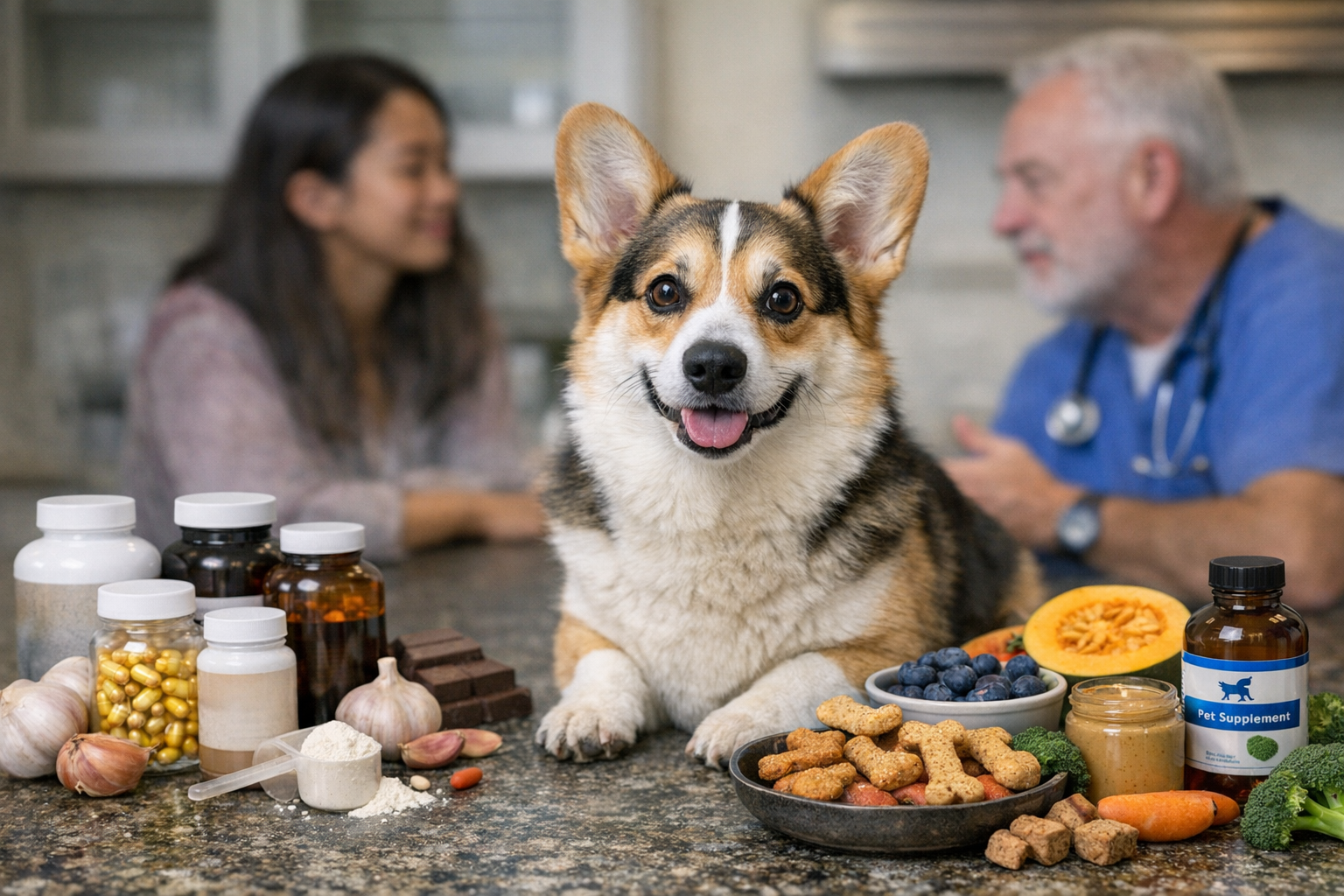
- Ingredients like xylitol, garlic, and certain vitamins can be toxic to pets.
- Pets have different metabolisms and needs compared to humans.
- Overdosing on certain nutrients can cause health issues.
- Supplements should be specifically designed for pets.
Expert Tips
Veterinarians recommend the following to keep your pet safe:
- Consult Your Vet: Always talk to your veterinarian before adding any new supplement to your pet’s diet.
- Choose Pet-Safe Ingredients: Stick to ingredients that are specifically labeled for pets.
- Understand Dosages: Be aware of correct dosages, as pets require different amounts than humans.
- Avoid Toxic Foods: Know which foods and supplements are harmful, like chocolate or certain nuts.
- Monitor Your Pet: Watch for adverse reactions anytime you try something new.
Best Products or Treat Types
When choosing treats for your pet, consider these options:
- Commercial Pet Treats: Look for high-quality brands that provide specific nutritional benefits.
- Homemade Treats: Use safe ingredients like pumpkin, peanut butter (xylitol-free), and oats.
- Functional Treats: Find treats that support dental health, joint care, or skin and coat health.
- Freeze-Dried Options: These maintain more nutrients while being pet-friendly.
Common Mistakes to Avoid
Here are some mistakes to watch out for when creating or buying treats:
- Using Human Supplements: Avoid any supplements not specifically designed for pets.
- Ignoring Labels: Always read and understand the ingredient list.
- Improper Mixing: Be careful with recipes; too many ingredients can introduce unknowns.
- Overfeeding: Just because a treat is healthier doesn’t mean it’s okay to give more.
- Skipped Vet Advice: Never overlook the importance of veterinary consultation for your pet’s health.
FAQs
- Can I give my dog human vitamins?
No, human vitamins can contain ingredients harmful to dogs, and dosages vary greatly. - What supplements are safe for pets?
Supplements specifically labeled for pets, like fish oil or glucosamine, can be beneficial. - Are there any common human foods I can give my pet?
Many fruits and veggies are safe, such as carrots and blueberries, but always check first. - How do I know if a product is pet-safe?
Look for products with clear labeling indicating they are safe for the specific pet type.
Conclusion
When it comes to your pet’s health, safety should always come first. The risks of using “off-label” human supplements in DIY pet treats are significant. Stick to vet-recommended products and safe ingredients to ensure your furry friend leads a happy, healthy life!