
The Dangers of Over-Supplementing Vitamins in Pet Treats
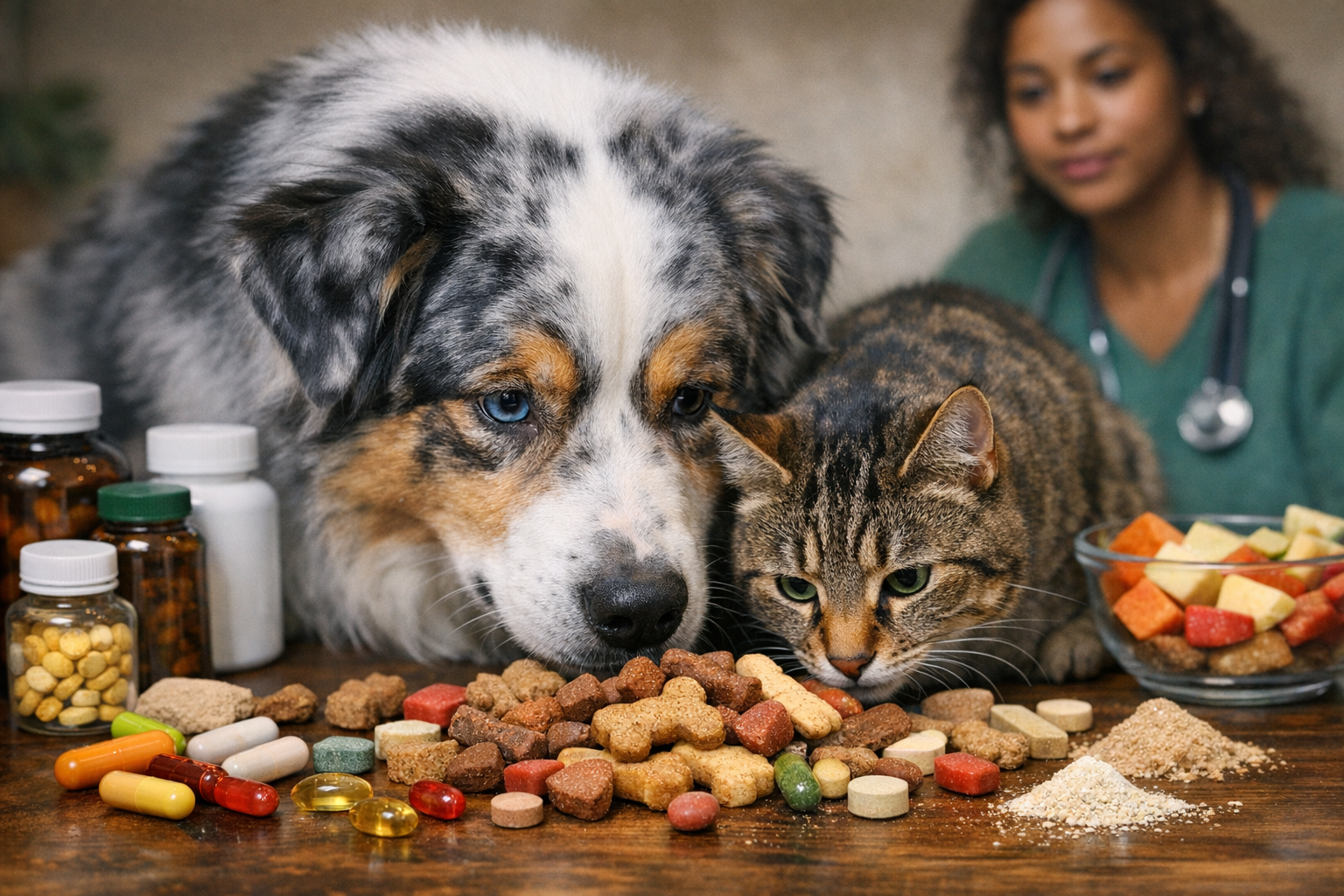
As a pet parent, it’s easy to think that giving your furry friend extra vitamins in their treats is a good idea. However, over-supplementing can lead to serious health issues. This article explores why it’s important to be cautious with vitamin levels in pet treats and how to keep your pets safe and healthy.
Why This Topic Matters for Pet Parents
Understanding the dangers of over-supplementing vitamins is crucial for every pet owner. Pets rely on us to make the best choices for their health. Knowing how to navigate vitamins in treats helps to:
- Prevent potential health issues
- Support their overall well-being
- Ensure they are getting a balanced diet
Key Insights
- Vitamins are essential for a pet’s health, but more is not always better.
- Over-supplementation can lead to toxicity, especially with fat-soluble vitamins (A, D, E, and K).
- Symptoms of vitamin overdose can include vomiting, diarrhea, and even more severe health problems.
- Always consult a veterinarian before adding supplements to your pet’s diet.
- Quality treats that are already nutritionally balanced should be a focus over excessive supplementation.
Expert Tips
Veterinarians recommend the following practices for safely managing your pet’s vitamin intake:
- Read labels carefully: Look for a balanced nutritional profile in treats.
- Choose treats formulated for your pet’s specific age, size, and dietary needs.
- Avoid giving multiple treats that contain added vitamins at once.
- Stick to treats that have natural ingredients and a limited number of added vitamins.
- Regularly consult your veterinarian if you’re unsure about what supplements are necessary for your pet.
Best Products or Treat Types
Choosing the right treats can make a big difference in your pet’s health. Here are some suggestions:
- Whole-food treats: Look for treats made from real meats, fruits, and vegetables instead of synthetic vitamins.
- Grain-free options: These can benefit pets with specific dietary sensitivities.
- Low-calorie treats: Ideal for pets that need to maintain a healthy weight without extra vitamins.
- Limited ingredient treats: These are great if your pet has allergies or is prone to digestive issues.
- Functional treats: Certain products are designed to support dental health or joint care with balanced ingredients.
Common Mistakes to Avoid
Here are some frequent pitfalls that pet parents should avoid:
- Not reading the ingredient list before giving treats.
- Assuming more vitamins mean better health.
- Giving human vitamins to pets without vet approval.
- Offering multiple fortified products without understanding their combined effects.
- Underestimating the importance of overall diet in addition to treats.
FAQs
1. Can dogs and cats overdose on vitamins?
Yes, pets can overdose on certain vitamins, particularly fat-soluble ones. Symptoms can include vomiting, diarrhea, and lethargy.
2. What are fat-soluble vitamins?
Fat-soluble vitamins include A, D, E, and K. They can build up to toxic levels in the body over time if consumed in excess.
3. How do I know if a treat has too many vitamins?
Check the label for the percentage of vitamins included. Look for treats that provide balanced nutrition without excessive vitamin supplementation.
4. Should I consult a veterinarian before changing my pet’s diet?
Yes, it’s always best to consult with your vet before making changes to your pet’s diet or adding new supplements.
5. Are there treats safe for pets with food allergies?
Yes, there are many limited-ingredient treats available that can cater to pets with specific food allergies.
6. What signs should I look for if I suspect my pet has over-supplemented?
Watch for changes in behavior, appetite, vomiting, diarrhea, or lethargy, and consult your vet immediately if any of these occur.
Conclusion
Balancing your pet’s diet with appropriate treats is essential for their health. While vitamins play an important role, over-supplementing can lead to serious health issues. By choosing high-quality treats, avoiding excessive vitamins, and working closely with your veterinarian, you can ensure that your pet lives a happy and healthy life. Remember, when it comes to your furry friend, it’s about quality, not quantity.