

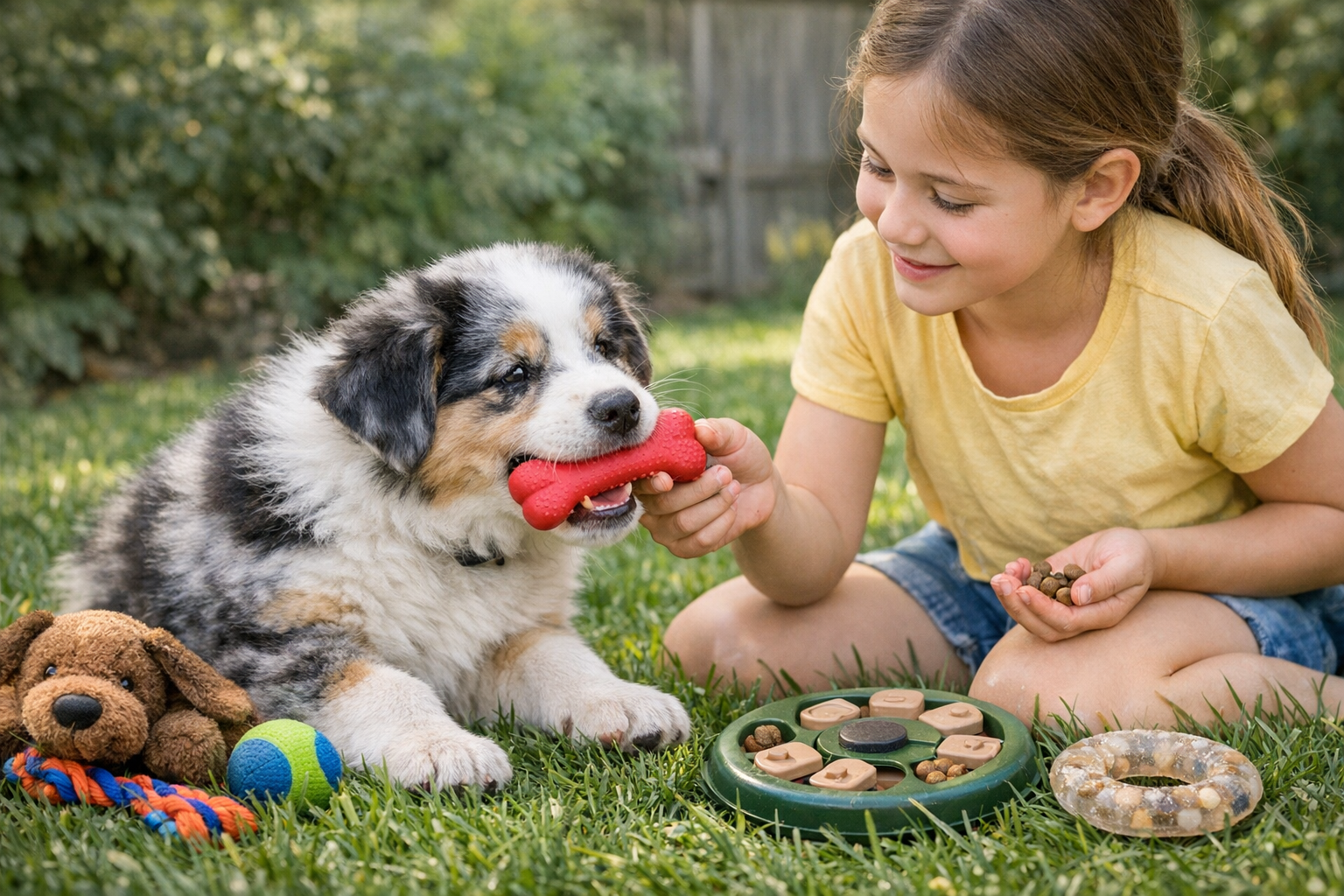
Puppy Nipping and Biting: Treat Redirection Strategies
Puppy nipping and biting are common but can be concerning for pet parents. Learning how to redirect this behavior effectively can create a happier environment for both you and your puppy. In this guide, we’ll cover why this issue matters, key insights to understand, expert tips for training, and useful products to aid your efforts.
Why This Topic Matters for Pet Parents
Understanding and addressing puppy nipping and biting is essential for several reasons:
- Healthy Development: Puppies learn about their environment through biting.
- Safety: Redirecting biting protects both the puppy and the family.
- Behavioral Issues: Unmanaged nipping can lead to more severe behavioral problems later.
Key Insights
- Puppies bite to explore their world and interact with their littermates.
- Teething can increase nipping as puppies seek relief through biting.
- Redirecting biting helps establish appropriate behaviors.
- Consistency from pet parents is crucial for effective training.
Expert Tips
Here are some veterinarian-style recommendations to help manage and redirect your puppy’s biting:
- Use Positive Reinforcement: Reward good behavior with treats or praise when your puppy plays gently.
- Redirect with Toys: Offer chew toys whenever your puppy starts nipping at hands or clothes.
- Time-Outs: If your puppy continues to bite, calmly remove yourself from the situation for a short period. This teaches them that biting ends playtime.
- Socialization: Allow your puppy to interact with other dogs. This teaches them about appropriate play and bite inhibition.
- Regular Exercise: A tired puppy is less likely to engage in nipping. Ensure they get plenty of physical and mental stimulation.
Best Products or Treat Types
Selecting the right treats and toys can make a significant difference. Consider these types:
- Durable Chew Toys: Look for heavy-duty toys designed for teething puppies.
- Interactive Puzzle Toys: These keep dogs engaged and can reduce unwanted biting.
- Frozen Treats: Offer safe, frozen items like peas or specially designed teething treats to soothe sore gums.
- Soft Bite-Resistant Toys: Choose toys designed for gentle play to encourage safe interactions.
Common Mistakes to Avoid
Avoid these pitfalls that can worsen biting behavior:
- Encouraging Rough Play: Allowing roughhousing can signal that biting is acceptable.
- Inconsistency: Changing rules can confuse your puppy. Be consistent in your response to biting.
- Punishment: Yelling or physical punishment can frighten your puppy and worsen the problem.
- Ignoring Warning Signs: If your puppy growls or snaps, it’s time to assess and change your approach.
FAQs
1. Is puppy biting normal?
Yes, it’s a normal behavior as puppies explore their surroundings and learn how to interact with others.
2. When will my puppy stop nipping?
Most puppies start to outgrow nipping between 6 to 12 months, but training is essential to expedite this process.
3. What should I do if my puppy bites me and breaks the skin?
Clean the wound thoroughly, apply antiseptic, and consult a veterinarian if necessary. It’s a reminder to train and redirect biting behavior.
4. Can I use treats to train my puppy not to bite?
Yes! Treats are a great motivational tool. Just ensure you reward positive behavior instead of inadvertently reinforcing biting.
5. How can I tell if my puppy is teething?
Teething can include excessive chewing, drooling, and sometimes biting. You may also find lost puppy teeth around the house.
6. What age should I start training my puppy to stop biting?
You can begin training as early as 8 weeks old. The earlier you start, the easier it is to redirect bad habits.
Conclusion
Puppy nipping and biting can be frustrating, but with the right strategies, you can turn this behavior into positive play. Remember to be patient, consistent, and use rewards to encourage good behavior. Your puppy’s biting phase won’t last forever, and with your guidance, they will learn how to interact in a safe and enjoyable way.