
Curing Leash Reactivity: The Look-at-That Treat Protocol
Leash reactivity can be a frustrating issue for both pets and their owners. Fortunately, the “Look-at-That” (LAT) protocol offers a simple yet effective method to help dogs stay calm and focused while on walks. In this article, we will explore why leash reactivity matters, key insights into the LAT protocol, expert tips, recommended products, common mistakes to avoid, and frequently asked questions.
Why This Topic Matters for Pet Parents
Leash reactivity is common in dogs and can lead to stressful situations during walks. Understanding and addressing this behavior is crucial for several reasons:
- Improves the dog-owner bond by fostering a calmer walking experience.
- Reduces stress for both the pet and owner during outings.
- Promotes a safer environment for all pets and people in public spaces.
Key Insights
The Look-at-That (LAT) protocol is a positive reinforcement technique that helps dogs learn to recognize and respond appropriately to triggers while on a leash. Here are some key insights:
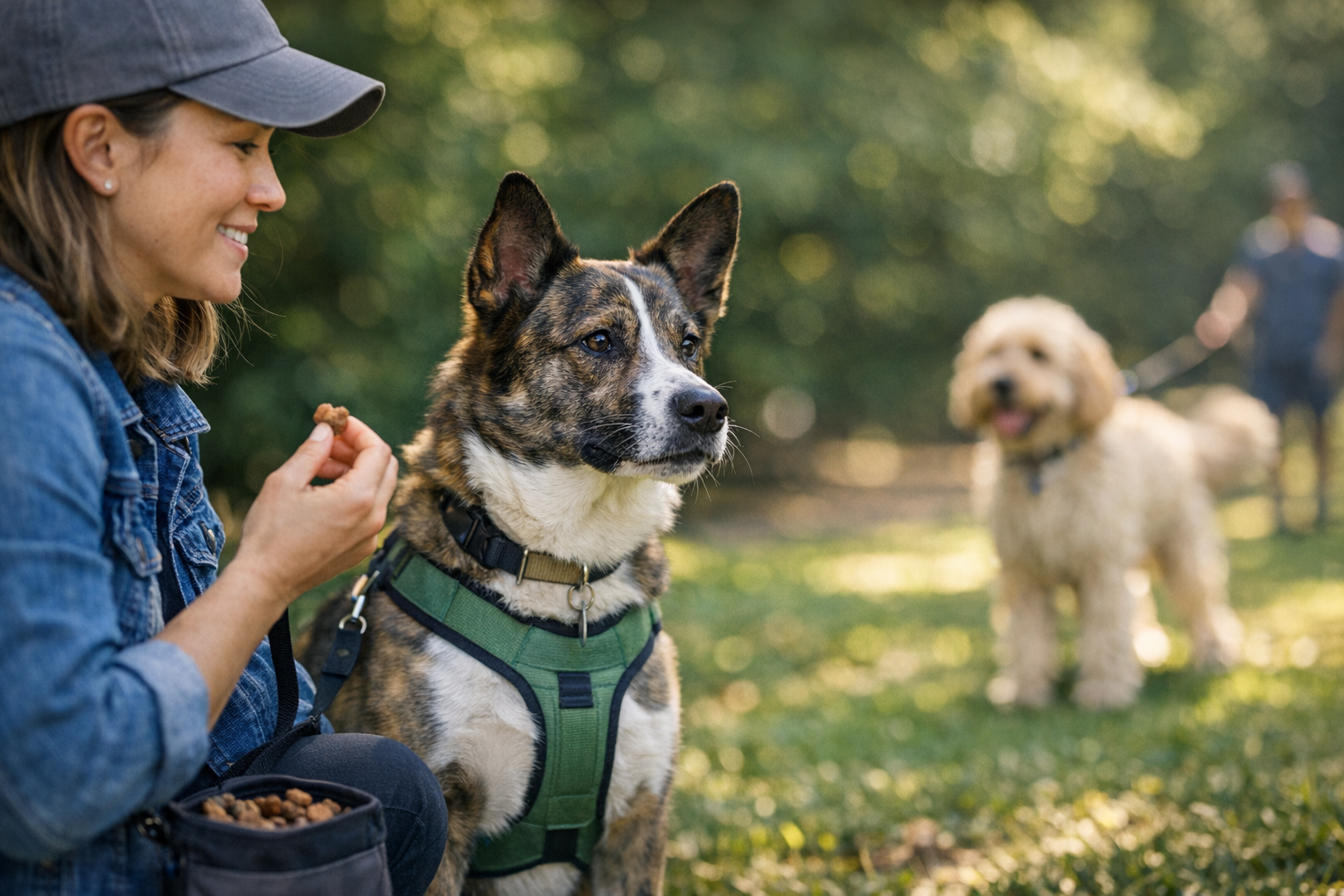
- The goal is to teach dogs to look at the trigger (like other dogs or people) and then look back at the owner for a treat.
- Encouraging focus on the owner builds confidence and reduces reactive behavior.
- Consistency and patience are crucial for success.
Expert Tips
Here are some veterinarian-style recommendations to successfully implement the LAT protocol:
- Start in a low-distraction environment, such as your backyard.
- Use high-value treats to motivate your dog. Options include soft, meaty treats or small pieces of cheese.
- Pay attention to your dog’s body language. If they become too stressed, move away from the trigger.
- Practice frequently, but keep sessions short to avoid overwhelming your dog.
- Gradually introduce more distractions as your dog becomes comfortable with the exercises.
Best Products or Treat Types
Choosing the right treats can make a big difference during training. Here are some options to consider:
- Soft, chewy treats that are easy for your dog to eat quickly.
- Small-sized treats to ensure your dog can focus on the task without excessive chewing.
- Freeze-dried meat or fish treats for added flavor and engagement.
- Homemade treats like small pieces of cooked chicken or turkey.
Common Mistakes to Avoid
To ensure the success of the Look-at-That protocol, avoid these common mistakes:
- Failing to reward quickly enough—timing is essential for reinforcement.
- Using low-value treats that do not motivate your dog to engage.
- Practicing in too distracting an environment too soon.
- Getting frustrated or losing patience with your dog during training.
- Ignoring your dog’s stress signals, which can escalate reactive behavior.
FAQs
- What causes leash reactivity in dogs?
Leash reactivity can stem from fear, excitement, or frustration, often because dogs feel restricted or unable to approach other animals or people. - How long will it take for my dog to stop being reactive?
The time it takes varies by dog. Consistent practice and patience can lead to improvement within a few weeks or months. - Can all dogs learn LAT?
Most dogs can learn the Look-at-That protocol. Some may need additional help from a professional trainer, especially if their reactivity is severe. - Should I avoid all triggers?
Not necessarily. The goal is to help your dog feel safe around triggers while gradually exposing them to these situations in a controlled manner. - Is it okay to use other methods alongside LAT?
Yes, you can combine LAT with other positive reinforcement techniques, but avoid using harsh methods as they may increase fear and anxiety.
Conclusion
Curing leash reactivity using the Look-at-That Treat Protocol can transform stressful walks into a more enjoyable experience for both you and your dog. By understanding the key principles, applying expert tips, and avoiding common pitfalls, you can make significant progress in your dog’s reactivity. Remember to be patient and consistent—positive reinforcement is the key to success!