
Dealing with Dog Scooting: Treats That Support Anal Gland Health
Dog scooting can be a common and uncomfortable problem for our furry friends. Often, it’s a sign that their anal glands need some extra care. This article explores why scooting occurs, how to support anal gland health, and the best treats you can offer your dog for relief.
Why This Topic Matters for Pet Parents
As pet parents, understanding your dog’s behavior is crucial. Scooting can indicate discomfort, and if left untreated, it may lead to more serious health issues. Knowing how to support your dog’s anal gland health can help keep them happy and comfortable. Here’s why this topic is important:
- The emotional and physical well-being of your dog.
- Reducing the risk of infections or other complications.
- Improving your dog’s overall quality of life.
Key Insights
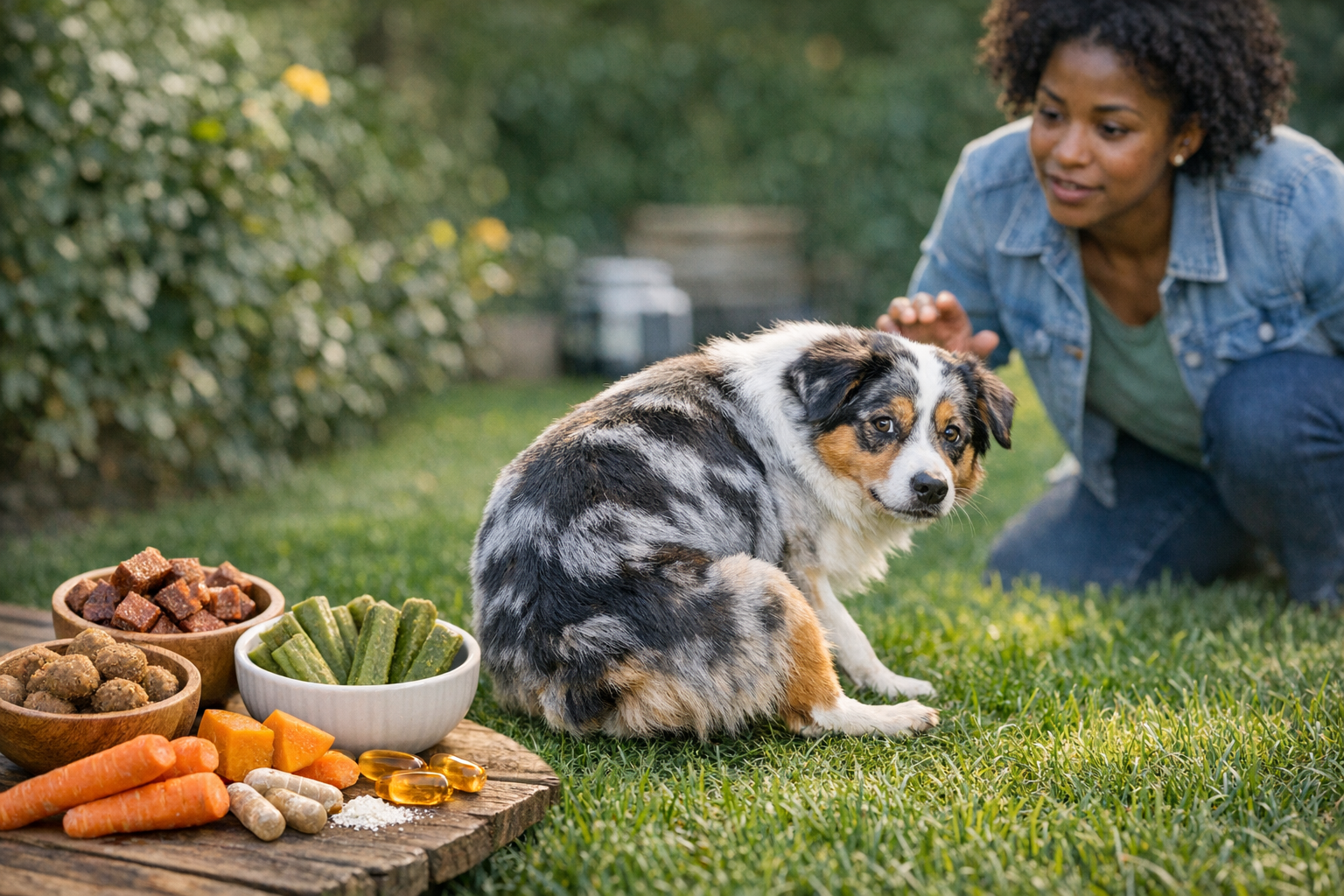
- Scooting is when a dog drags its rear end across the ground.
- Common causes include anal gland issues, allergies, or parasites.
- Regular vet check-ups can help prevent underlying issues.
- High-fiber diets can support healthy anal gland function.
Expert Tips
Veterinarians recommend several proactive steps to help your dog avoid scooting:
- Ensure regular vet check-ups to monitor anal gland health.
- Keep your dog’s weight in check to reduce pressure on glands.
- Feed high-quality food that includes plenty of fiber.
- Consider adding supplements that promote healthy digestion.
- Watch for allergies, which may irritate the skin and lead to scooting.
Best Products or Treat Types
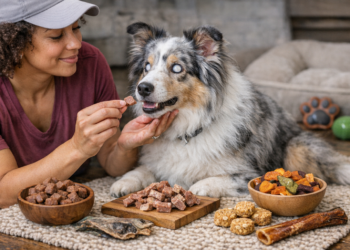
When choosing treats for your dog, look for the following types that support anal gland health:
- High-Fiber Treats: Provides dietary fiber that can help with regular bowel movements.
- Omega-3 Enriched Snacks: Omega-3 fatty acids can promote overall skin and coat health.
- Natural Digestive Aids: Treats that include probiotics or wholesome ingredients to support gut health.
- Vegetable-Based Chews: These can provide the necessary fiber to keep anal glands healthy.
Common Mistakes to Avoid
- Ignoring the problem: Don’t dismiss scooting as a quirky behavior.
- Overfeeding: Too many treats can lead to weight gain, which can worsen anal gland problems.
- Choosing poor-quality treats: Always opt for natural ingredients without fillers or artificial preservatives.
- Skipping vet visits: Keep regular appointments to catch issues early.
FAQs
1. What causes my dog to scoot?
Scooting can be caused by a variety of issues, including anal gland impaction, allergies, or parasites.
2. How can I tell if my dog’s anal glands are full?
Signs include scooting, excessive licking of the rear end, or discomfort when sitting.
3. When should I take my dog to the vet for scooting?
If scooting persists for more than a day or two, or if you notice any swelling or irritation, it’s best to see a vet.
4. Are certain dog breeds more prone to anal gland issues?
Yes, certain breeds like small terriers, bulldogs, and basset hounds may be more prone to anal gland problems.
5. Can I express my dog’s anal glands at home?
It is recommended to have a veterinarian or professional groomer perform this task to avoid injury or infection.
6. What are the benefits of a high-fiber diet?
A high-fiber diet can help to promote regular bowel movements, which helps keep the anal glands empty and healthy.
Conclusion
Dealing with dog scooting can be stressful for both you and your pet. Understanding the causes and how to support anal gland health is essential. With the right treats and expert advice, you can help keep your dog comfortable and happy. Remember to keep regular vet check-ups and be attentive to any changes in your dog’s behavior. Together, we can ensure our furry friends lead their happiest, healthiest lives.