

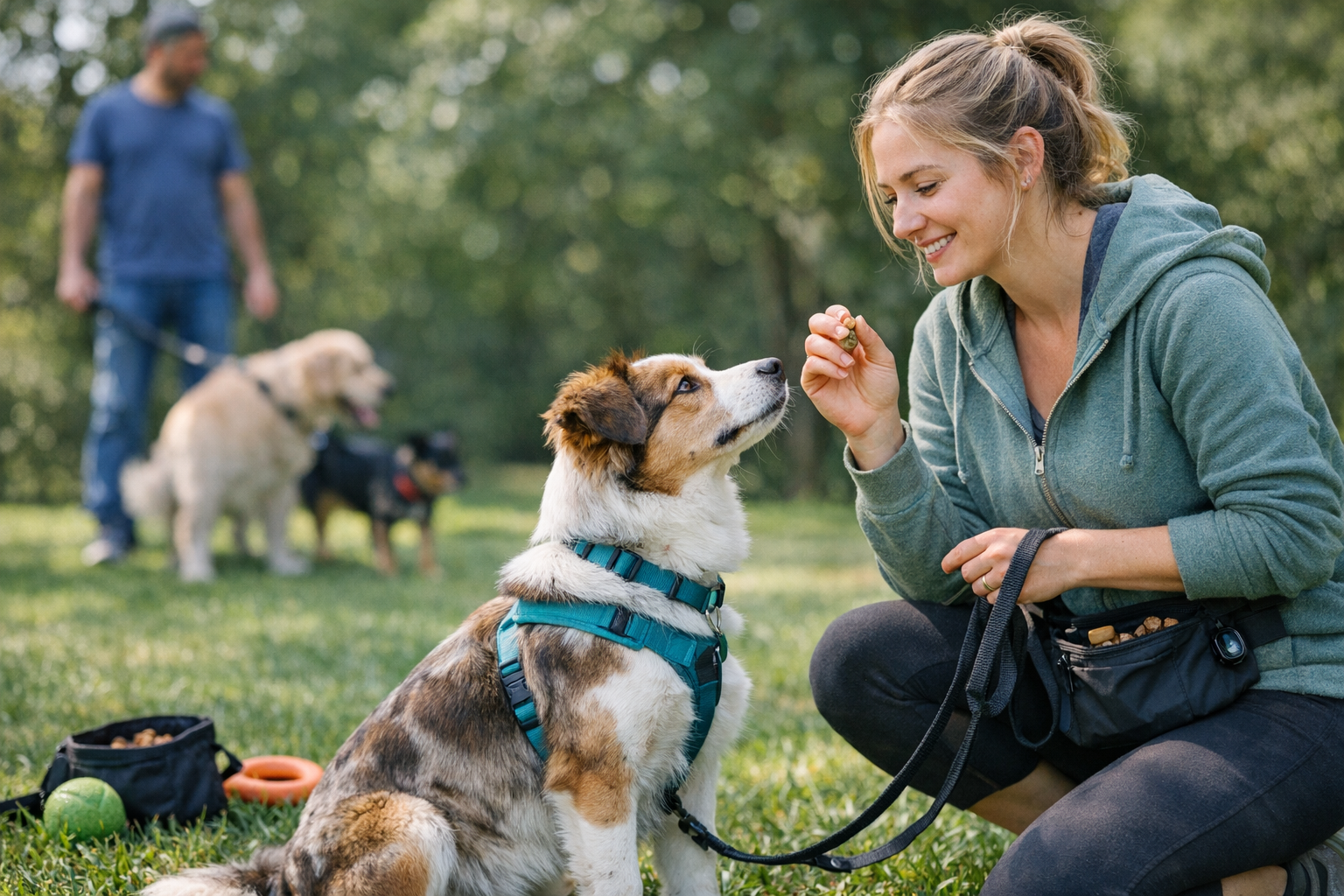
Training Your Dog to Ignore Other Dogs on Walks (The Engage/Disengage Game)
Training your dog to ignore other dogs during walks can make outings more enjoyable for both of you. The Engage/Disengage Game is a fun and effective way to achieve this. With patience and practice, you can help your dog focus on you instead of distractions.
Why This Topic Matters for Pet Parents
Many dogs react strongly to other dogs when on a walk, leading to stressful situations. Here’s why learning to ignore other dogs is essential:
- Safety: A dog that is focused can better avoid accidents or aggressive encounters.
- Enjoyment: Calm walks lead to a more enjoyable experience for both dogs and owners.
- Control: Training helps you maintain control over your dog, reducing anxiety for you and your pet.
Key Insights
- Understanding your dog’s behavior is key to effective training.
- The Engage/Disengage Game fosters trust between you and your dog.
- Patience and consistency are crucial for success.
- Positive reinforcement encourages desired behaviors.
Expert Tips
Here are some vet-style recommendations to effectively teach your dog the Engage/Disengage Game:
- Start Indoors: Begin in a quiet area without distractions. Practice getting your dog’s attention when they are calm.
- Use High-Value Treats: Choose treats your dog loves more than anything. This could include small pieces of chicken or cheese.
- Practice Engagement: Say your dog’s name and show the treat. When your dog looks at you, reward them immediately.
- Introduce Distractions Gradually: Once your dog is solid at ignoring distractions at home, slowly add distractions, like other pets or toys.
- Stay Calm: Your energy matters. If you’re anxious, your dog may pick up on it. Stay relaxed!
Best Products or Treat Types
Using the right treats and tools can enhance your training sessions:
- High-Value Treats: Soft, smelly, and small treats are typically the most effective.
- Treat Pouch: A pouch allows easy access to treats during walks.
- Clicker: A clicker can help mark the desired behavior for your dog.
- Long Leash: A longer leash can give your dog more freedom while still keeping control.
Common Mistakes to Avoid
Training can be challenging, but avoiding these common mistakes will help:
- Skipping the Basics: Always start with basic commands like “sit” or “stay” before moving on to more complex training.
- Failing to Reward: Be consistent in rewarding your dog; this builds positive associations.
- Getting Frustrated: If your dog isn’t catching on, take a break. Frustration can hinder training.
- Overwhelming Your Dog: Don’t expose your dog to too many distractions at once. Gradually increase difficulty.
FAQs
- How long does it take to teach my dog this game?
Every dog is different, but most can start showing positive progress in a few weeks with consistent practice. - What if my dog doesn’t respond to treats?
Try different types of treats. Every dog has unique preferences. You might also consider toys or praise as rewards. - Can I train my dog to ignore small animals, too?
Yes! The techniques can be adapted for all types of distractions, not just other dogs. - Is leash pulling an issue during this training?
Yes. Make sure you address leash manners through separate training if your dog tends to pull. - When should I start training my puppy?
Puppies can begin basic training as early as 8-10 weeks old. The key is to keep sessions short and fun.
Conclusion
Training your dog to ignore other dogs while walking can transform your outings into peaceful experiences. The Engage/Disengage Game not only teaches your dog valuable skills but also strengthens the bond between you. With patience, consistency, and the right techniques, you can help your dog focus on you, making every walk a joy.