

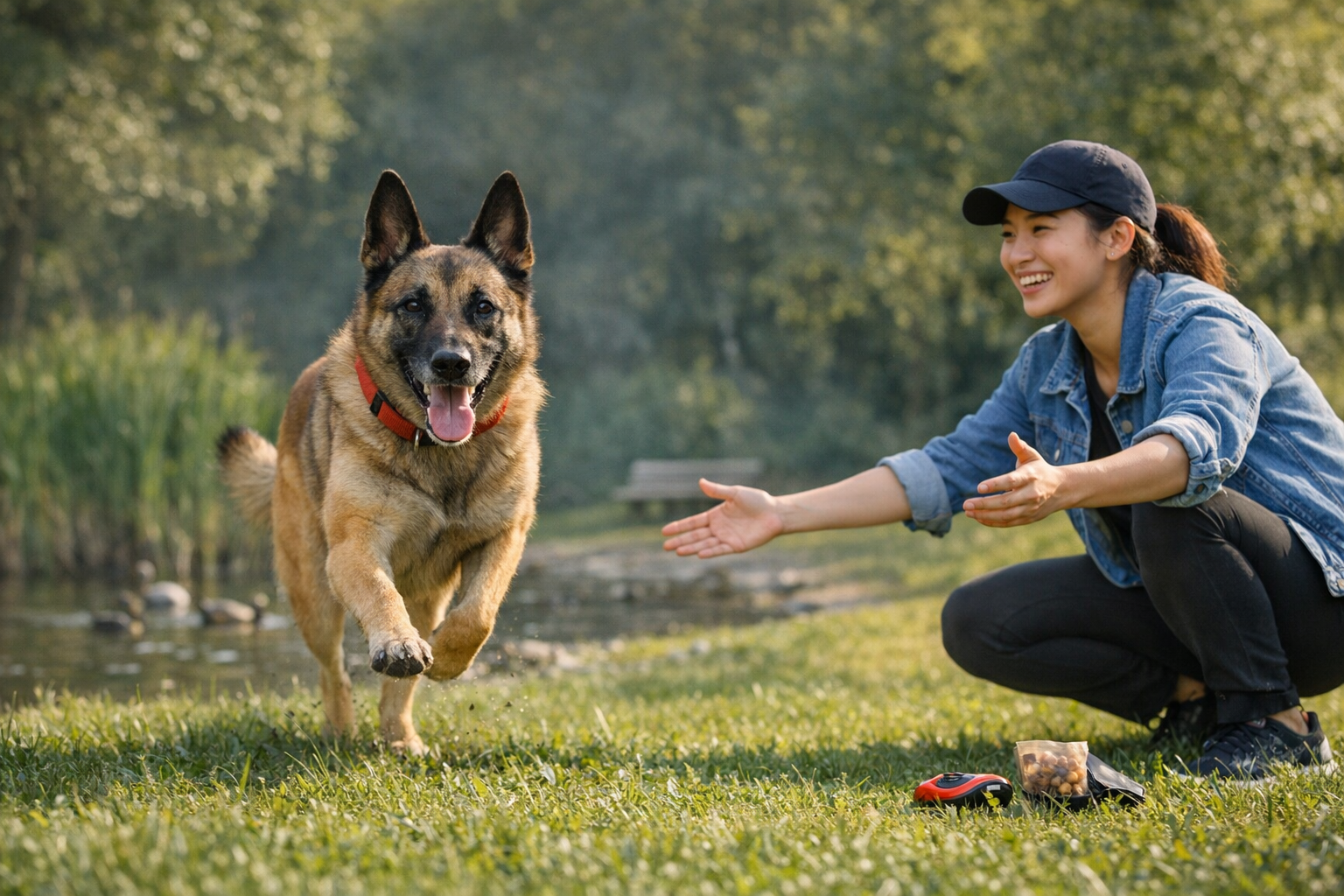
Teaching Emergency Recall: When You Need 100% Reliability
Teaching your dog an emergency recall is essential for their safety. An emergency recall means your pet will return to you immediately, no matter what distractions are around. This article explores why emergency recall is critical, key insights into training, expert tips, product recommendations, common mistakes to avoid, and answers to frequently asked questions.
Why This Topic Matters for Pet Parents
Every pet parent wants a well-behaved and safe dog. Knowing that your dog will come back to you in any situation can prevent accidents and save lives. Here are a few reasons why emergency recall training matters:
- It ensures your dog’s safety in dangerous situations.
- It builds trust between you and your dog.
- It allows more freedom for your dog during outings.
- It’s crucial for busy or unpredictable environments, like parks or busy streets.
Key Insights
Here are some important points to consider when teaching emergency recall:
- Start training in a safe, low-distraction environment.
- Use a unique word or sound for recall, different from regular commands.
- Practice regularly to reinforce behavior.
- Always reward your dog for coming back, no matter the situation.
- Keep training sessions fun and positive.
Expert Tips
Vets and dog trainers offer several recommendations for effective recall training:
- Choose the Right Command: Use a distinct word like “come” or a unique whistle sound that your dog doesn’t hear often.
- Start Slow: Begin indoors or in a quiet yard. Gradually increase distractions as your dog gets better.
- Use High-Value Treats: Employ tasty treats like small pieces of chicken or special dog treats reserved just for recall training.
- Practice Regularly: Spend 5-10 minutes a few times a week on recall training to keep it fresh.
- Be Patient: Every dog learns at their own pace, so be supportive and avoid yelling or punishment.
Best Products or Treat Types
Using the right rewards can make your training more effective. Here are some recommended types of treats and products:
- Small, Soft Treats: Easy to chew and digest, good for quick rewards.
- Treat-Dispensing Toys: These can keep your dog engaged and can be used in recall practice.
- High-Value Snacks: Use items your dog loves, like freeze-dried liver or cheese, for off-leash training.
- Training Clickers: A clicker can mark the exact moment your dog is successful, helping with timing.
Common Mistakes to Avoid
Even experienced pet parents can make mistakes during recall training. Watch out for these common pitfalls:
- Inconsistent Rewards: Always reward your dog when they come back to avoid confusion.
- Using Recall for Negative Experiences: Don’t call your dog to scold them; this will lead to reluctance.
- Overloading on Distractions Too Soon: Gradually introduce distractions to build confidence.
- Neglecting Training: Consistent practice is key—don’t skip it.
FAQs
1. How long does it take to train emergency recall?
It varies by dog, but consistent practice over several weeks usually shows results.
2. Can I train my dog to recall if they are older?
Yes! Older dogs can still learn new commands. Patience and positive reinforcement are essential.
3. Should I use a leash for recall training?
Using a leash initially can help control your dog and reinforce the recall command before going off-leash.
4. What if my dog ignores the recall command?
If your dog doesn’t respond, return to a quieter area and practice again. Ensure rewards are enticing enough.
5. Is it ever too late to start training recall?
No! Dogs of any age can learn to recall, but starting early helps establish good habits.
Conclusion
Teaching your dog an emergency recall is essential for their safety and well-being. With patience, consistency, and the right rewards, any dog can learn to return to you reliably. Remember to keep training sessions fun and positive. By following the expert tips, avoiding common mistakes, and using the right products, you can strengthen your bond with your dog while ensuring their safety in any situation. Start training today—your peace of mind is worth it!