
Recognizing the Symptoms of Food Poisoning from Bad Pet Treats
As pet parents, we want nothing but the best for our furry friends. Unfortunately, not all pet treats are safe. Recognizing the symptoms of food poisoning can help you act fast if your pet eats something harmful. This guide will help you identify the signs and keep your pet healthy.
Why This Topic Matters for Pet Parents
Food poisoning from treats can be serious for pets. Knowing the risks and symptoms can save your pet’s life. It also helps you make informed decisions about what you feed your pet. Understanding this topic ensures your pet stays healthy and happy.
Key Insights
- Food poisoning can be caused by bacteria, mold, or toxins in pet treats.
- Symptoms often appear within hours of consumption.
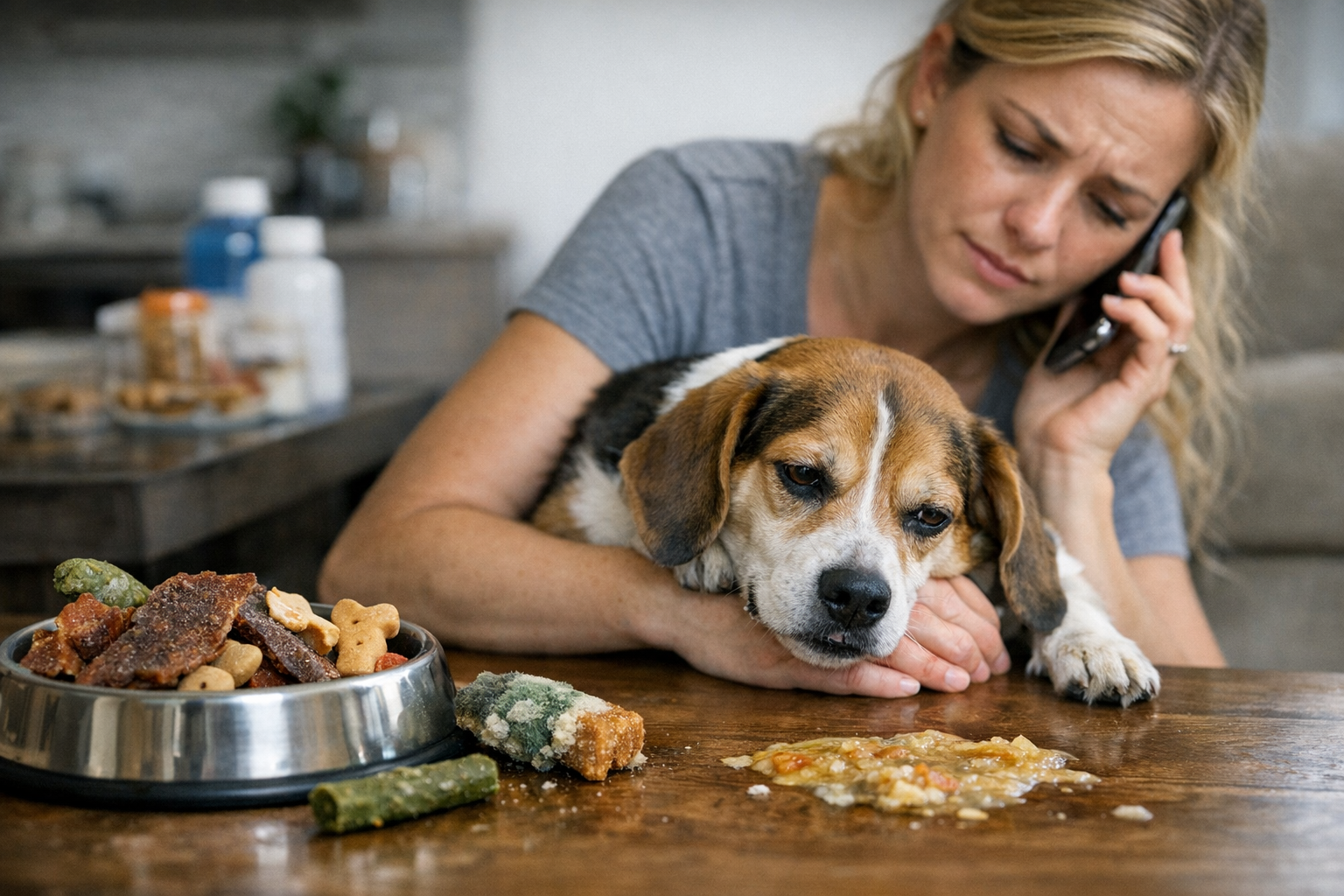
- Common symptoms include vomiting, diarrhea, and lethargy.
- Some pets may show no symptoms but still need immediate care.
- Avoiding harmful treats can prevent poisoning and promote overall health.
Expert Tips
Veterinarians recommend the following to keep your pet safe:
- Inspect Treats: Always check for signs of spoilage, like an off smell or discoloration.
- Choose Quality Brands: Look for trusted brands with good reviews and known safety standards.
- Read Labels: Ensure treats do not contain harmful ingredients or additives.
- Monitor Your Pet: Always observe your pet after giving them new treats.
- Store Properly: Keep treats in a cool, dry place and follow storage instructions.
Best Products or Treat Types
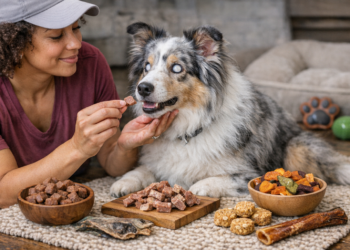
When choosing treats, consider the following safe options:
- Natural Treats: Look for treats made with whole food ingredients.
- Freeze-Dried Treats: These often have no preservatives and retain flavor and nutrients.
- Homemade Treats: Making your treats can ensure quality and safety.
- Limited Ingredient Treats: These help reduce the risk of food allergies or sensitivities.
- Organic Treats: Organic options often have fewer additives and chemicals.
Common Mistakes to Avoid
Here are some common mistakes pet parents make when it comes to buying treats:
- Ignoring Expiration Dates: Always check expiration dates before purchasing or feeding treats.
- Buying from Untrusted Sources: Avoid purchasing from unknown or poorly-reviewed sellers.
- Feeding Human Food: Some human foods can be toxic to pets; always check before sharing.
- Not Researching Ingredients: Always verify the safety of ingredients listed on the packaging.
- Giving Treats Too Frequently: Treats should be a supplement, not a primary food source.
FAQs
What are the first signs of food poisoning in pets?
First signs include vomiting, diarrhea, loss of appetite, and lethargy.
How long does it take for food poisoning symptoms to appear?
Symptoms can appear within hours to a few days after eating contaminated treats.
What should I do if I suspect my pet has food poisoning?
Contact your veterinarian immediately if you suspect food poisoning.
Can food poisoning be fatal to pets?
Yes, severe cases of food poisoning can be fatal if not treated in time.
How can I prevent food poisoning in my pet?
Choose high-quality treats, read labels, and monitor your pet’s diet regularly.
Are there specific types of treats that are more likely to cause food poisoning?
Yes, treats that contain raw ingredients, those made in unregulated facilities, or those with long shelf lives often carry higher risks.
Conclusion
Recognizing the symptoms of food poisoning from bad pet treats is crucial for any pet parent. By knowing what to look for and understanding how to choose safe treats, you can keep your furry companion healthy. Always stay informed and consult your veterinarian for any concerns. Together, you can ensure your pet enjoys their treats safely!