
Are Pig Ears Safe for Dogs? A Deep Dive into the Risks and Alternatives
As a popular dog treat, pig ears have sparked many discussions among pet owners about their safety. While many dogs enjoy them, there are potential risks involved. This article will explore the safety of pig ears and provide alternatives for your furry friend.
Why This Topic Matters for Pet Parents
Understanding what treats are safe for dogs is crucial for every pet parent. Many pet owners want to reward their dogs without compromising their health. Knowledge about the risks and benefits associated with certain treats helps ensure that your dog stays happy and healthy.
Key Insights
- Digestibility: Pig ears can be tough to digest for some dogs, potentially leading to stomach issues.
- Choking Hazard: Small pieces can break off, posing a choking threat, especially for large chewers.
- Fat Content: Pig ears are high in fat, which may contribute to obesity in pets that are not active.
- Salmonella Risk: Like many raw animal products, pig ears carry a risk of contamination if not handled properly.
- Allergies: Some dogs might be allergic to pork, which can result in gastrointestinal upset or skin reactions.
Expert Tips
Veterinarians offer valuable advice for pet parents looking to make informed choices regarding treats:
- Consult Your Vet: Always discuss your dog’s diet and treat options with your veterinarian, especially if they have known health issues.
- Moderation is Key: If you choose to give pig ears, do so sparingly to avoid digestive upset and weight gain.
- Supervise Chewing: Always watch your dog when they’re enjoying treats to prevent choking or other accidents.
- Quality Matters: If you opt for pig ears, choose high-quality, properly processed treats from reliable sources.
- Monitor for Reactions: Watch for any signs of allergy or intolerance when introducing new treats to your dog’s diet.
Best Products or Treat Types
If you’re considering alternatives to pig ears, here are some safe and healthy options:
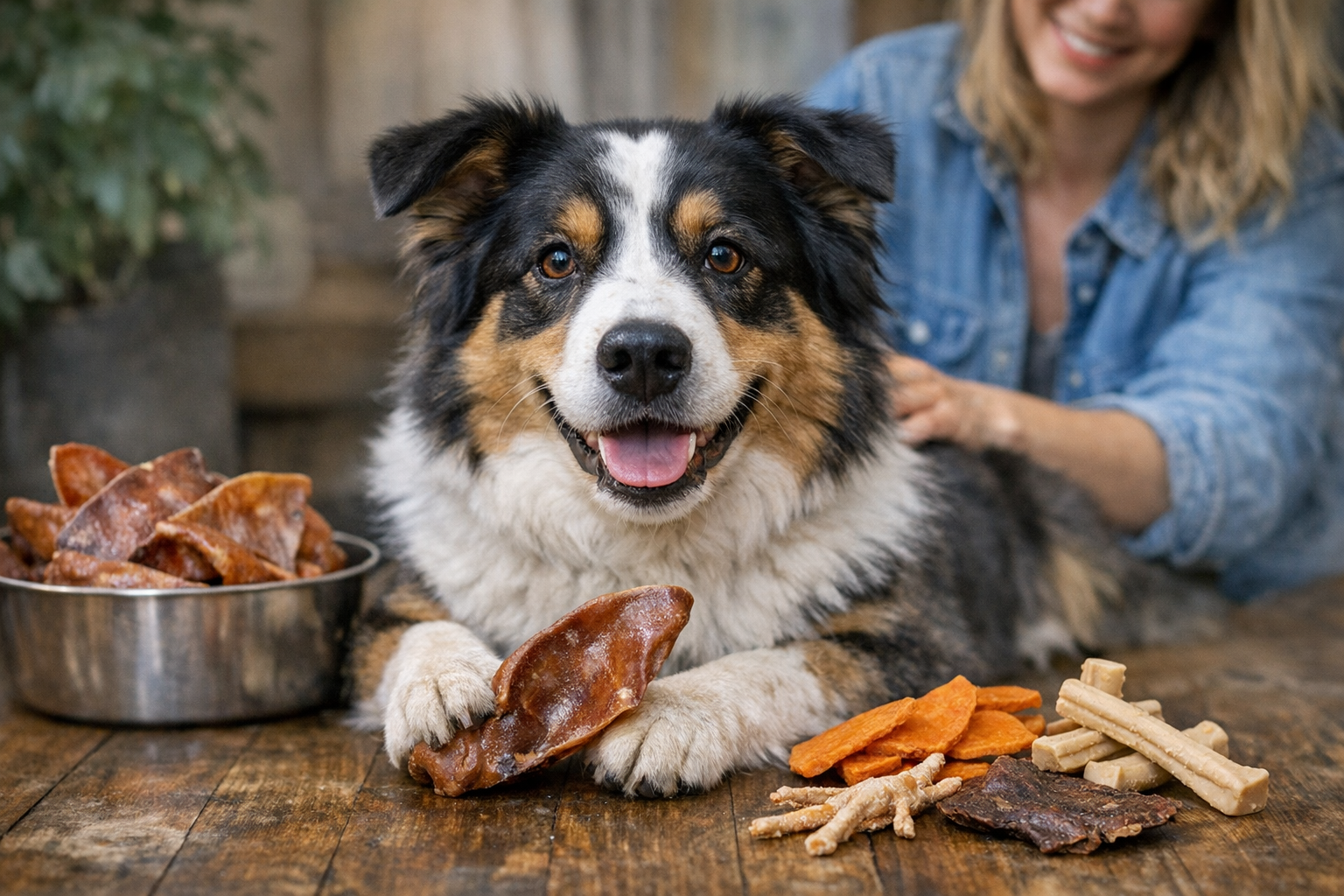
- Sweet Potato Chews: High in vitamins and low in fat; these are great for dogs that love to chew.
- Chicken Feet or Neck Bones: These provide protein and calcium while being lower in fat compared to pig ears.
- Beef Jerky: Look for natural, low-sodium varieties to avoid excessive salt in your dog’s diet.
- Dental Chews: These promote dental health while satisfying your dog’s urge to chew.
- Rawhide Alternatives: Opt for more digestible options made from rice or other grains to reduce choking risks.
Common Mistakes to Avoid
Here are a few pitfalls to avoid when choosing treats for your dog:
- Ignoring Portion Sizes: Even healthy treats can add up in calories. Always take note of portions.
- Choosing Cheap Options: Low-quality treats may contain harmful additives or poor ingredients. Always choose high-quality products.
- Dismissing Dog Size: Different sizes of dogs have varying needs. Be mindful of the size and weight of your pet.
- Not Checking for Allergies: Introduce new treats slowly to monitor for any allergic reactions.
- Skipping Vet Consultations: Always consult your vet before making significant dietary changes for your dog.
FAQs
1. Can pig ears cause choking in dogs?
Yes, pig ears can break into small pieces, which pose a choking hazard, particularly for aggressive chewers or smaller dogs.
2. Are there alternatives to pig ears that are just as enjoyable for dogs?
Yes, sweet potato chews, chicken neck bones, and dental chews are great alternatives that are generally safer and healthier.
3. How often can I give my dog a pig ear?
If you choose to give your dog pig ears, limit them to once a week or less depending on your dog’s size and health.
4. What signs should I watch for after giving my dog a pig ear?
Monitor your dog for vomiting, diarrhea, or signs of discomfort. If any of these occur, stop giving the treat immediately and consult your vet.
5. Are pig ears safe for puppies?
Puppies have sensitive digestive systems, so it’s best to avoid pig ears and stick to softer treats designed for their age group.
6. How should I store pig ears to keep them safe?
Keep pig ears in a cool, dry place, and ensure they are from a reputable source to minimize risks of contamination.
Conclusion
Pig ears can be a tasty treat for dogs, but they come with risks that pet owners should carefully consider. By consulting with your veterinarian and choosing safe alternatives, you can provide your furry friend with enjoyable and healthy treats. Always prioritize your dog’s wellbeing, and remember that there are plenty of options out there that will keep their tails wagging without compromising their health.