
How to Safely Introduce New Pet Treats Without Upsetting the Stomach
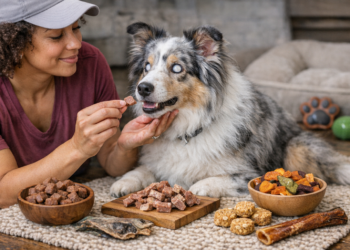
Introducing new treats to your pet can be a joyful experience, but it can also lead to stomach issues if not done correctly. This guide will help pet parents safely integrate new snacks into their furry friends’ diets while keeping their tummies happy!
Why This Topic Matters for Pet Parents
Understanding how to introduce new pet treats safely is crucial for several reasons:
- Maintaining digestive health helps prevent discomfort and potential health issues.
- Improper introductions can lead to allergies or sensitivities.
- Pets with stomach upset can become anxious and irritable, affecting their overall happiness.
Key Insights
- Gradually introduce new treats over a week to monitor for any reactions.
- Start with small amounts to see how your pet’s digestive system responds.
- Choose high-quality treats made from natural ingredients to minimize the chance of stomach upset.
- Be mindful of the treat’s size and texture, especially for smaller pets or those with dental issues.
- Watch for any signs of allergies, such as itching, vomiting, or diarrhea.
Expert Tips
Veterinarians recommend the following steps when introducing new treats:
- Choose Wisely: Look for treats that match your pet’s dietary needs. For example, consider grain-free options for pets with grain sensitivities.
- Read Labels: Check for artificial preservatives, colors, and ingredients that might upset your pet’s stomach.
- Slow Introduction: Start by mixing a small piece of the new treat with your pet’s regular food. Gradually increase the new treat’s amount over time.
- Observe Behavior: After introducing a new treat, watch your pet for any changes in behavior or signs of discomfort.
- Consult Your Vet: If your pet has a history of stomach issues or allergies, seek advice from your veterinarian before trying new treats.
Best Products or Treat Types
When looking for the best treats, consider the following types that are generally safe and healthy:
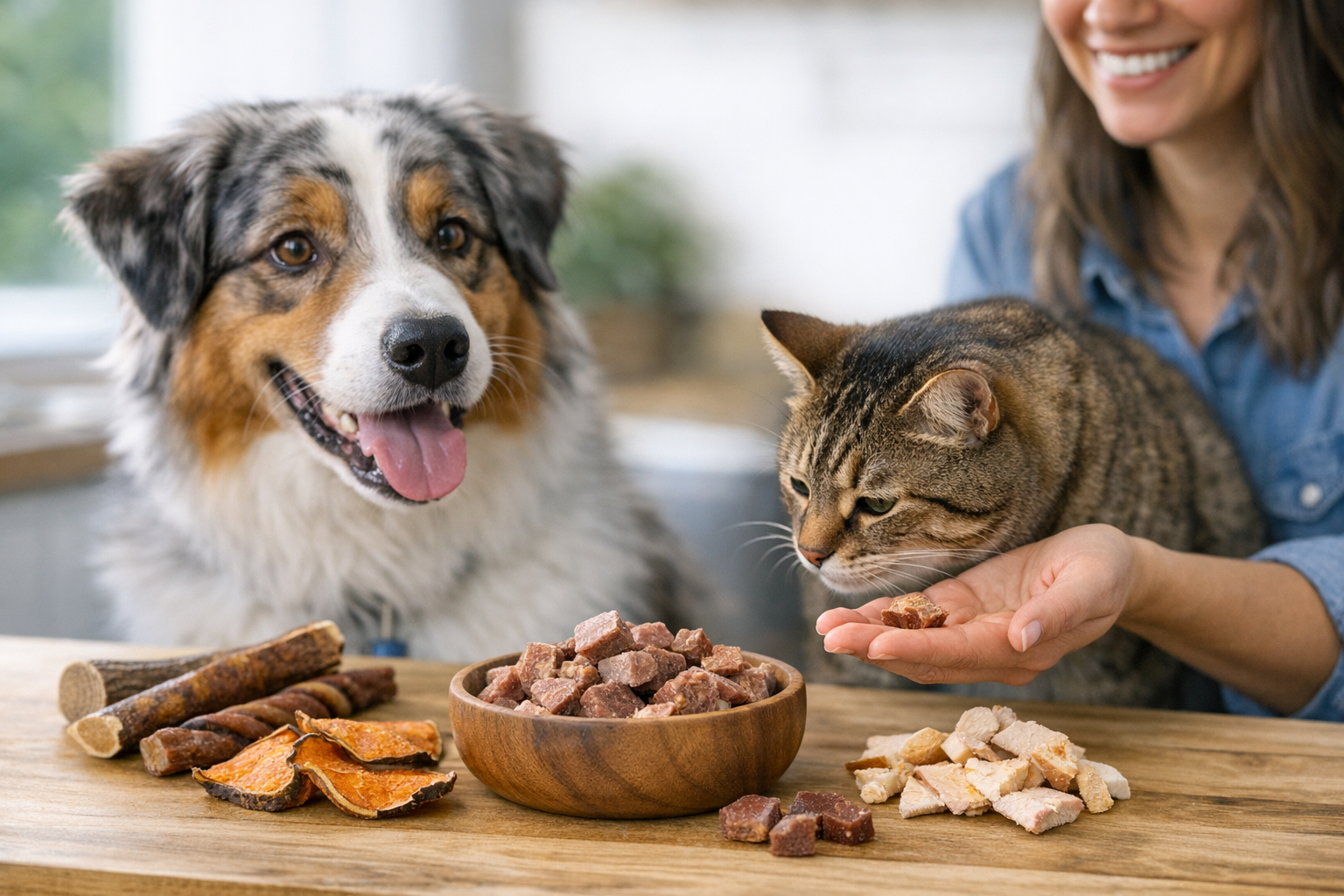
- Single-Ingredient Treats: Look for treats made from one food source, like chicken or sweet potatoes.
- Natural Chews: Options such as antlers, pig ears, or bully sticks can promote dental health without added ingredients.
- Freeze-Dried Treats: These retain their nutritional value and are easy for pets to digest.
- Homemade Treats: Making your own treats allows you to control the ingredients and avoid additives.
- Soft Treats: These are often easier on the stomach and great for older pets or those with dental issues.
Common Mistakes to Avoid
To keep your pet’s stomach safe, avoid these common pitfalls:
- Skipping the Gradual Introduction: Jumping straight to new treats can overwhelm your pet’s digestive system.
- Giving Too Many Treats: Treats should only make up about 10% of your pet’s daily calorie intake.
- Not Monitoring for Allergies: Pay attention to any signs of allergies or digestive upset after introducing a new treat.
- Ignoring Ingredient Quality: Low-quality ingredients can cause health issues in the long run.
- Feeding Treats Too Close to Meals: Allow for some time between feeding to prevent digestive distress.
FAQs
Here are some common questions pet parents have about introducing new treats:
- How long should I take to introduce a new treat?
It’s best to introduce new treats gradually over 5-7 days. - What should I do if my pet gets an upset stomach?
Temporarily stop the new treat and consult your veterinarian for further guidance. - Are there specific treat ingredients I should avoid?
Stay away from treats with artificial additives, fillers, or common allergens like wheat and soy. - Can I give my pet human food as treats?
Some human foods are safe (like small cuts of chicken), but consult your vet first, as many are harmful to pets. - What signs should I watch for after giving a new treat?
Look for any vomiting, diarrhea, excessive itching, or lethargy.
Conclusion
Introducing new treats to your pet doesn’t have to be a stressful experience. By following the tips in this guide, you can make the transition smooth and maintain your pet’s digestive health. Always remember to start slow, choose wisely, and observe how your furry friend reacts. Happy treating!