
Introducing the Kennel: Making the Crate a High-Value Place
Creating a positive space in your dog’s crate can make a world of difference for both pets and their owners. A comfortable and inviting crate helps dogs feel secure and can ease anxiety during travel or while at home. This guide will help pet parents understand the importance of the kennel and provide tips to make it a high-value place.
Why This Topic Matters for Pet Parents
The crate is often seen simply as a tool for training or confinement. However, when used correctly, it can become a sanctuary for your dog. Understanding this can:
- Enhance your dog’s sense of security.
- Reduce anxiety and stress in new environments.
- Facilitate easier travel and veterinary visits.
By creating a positive experience around the crate, you not only keep your dog safe but also help them feel at home in their space.
Key Insights
- A crate should never be used as punishment; this will create a negative association.
- The crate can serve as a personal retreat where your dog can relax.
- Positive reinforcement plays a key role in crate training.
- Consistent crate time helps dogs learn to enjoy their personal space.
- Dog breeds and personality types may react differently to being crated.
Expert Tips
Veterinarians and pet trainers recommend several methods to ensure your dog loves their crate:
- Introduce Gradually: Allow your dog to explore the crate without closing the door at first. Use treats or toys to encourage them inside.
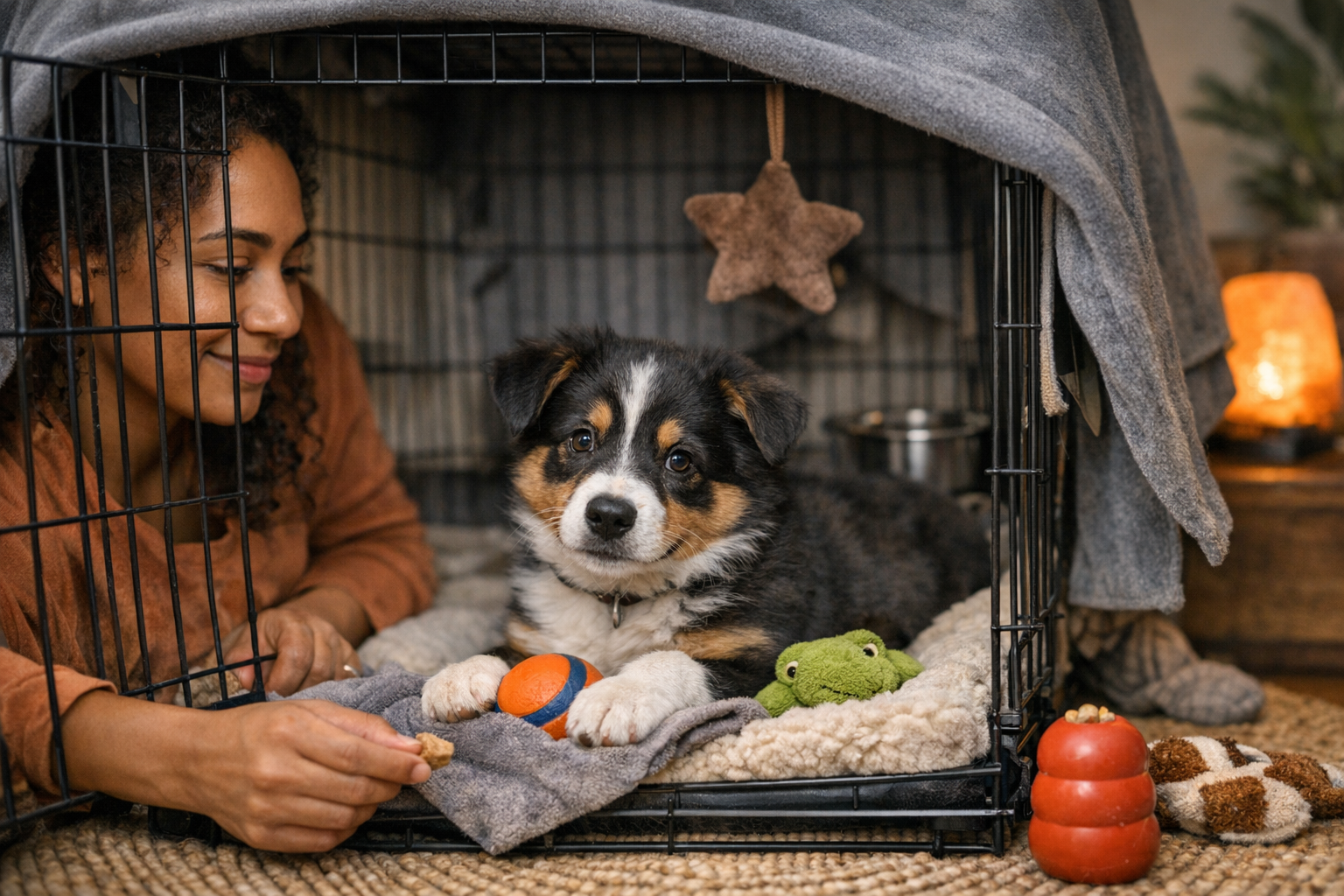
- Create a Cozy Environment: Use soft bedding, favorite toys, and keep the space clean and dry.
- Use Positive Reinforcement: Reward your pet each time they use the crate willingly. This may involve giving them a treat or praise.
- Short Duration: Start with short periods in the crate, gradually increasing the time as your dog gets more comfortable.
- Feeding Time: Consider feeding your dog their meals in the crate. This makes it a pleasant location associated with mealtime.
- Calm Exit: When letting them out, do so calmly to avoid excited escapes. This helps manage their energy and anxiety levels.
Best Products or Treat Types
Choosing the right products can make the crate more appealing for your dog. Here are some recommendations:
- Comfortable Bedding: Look for soft, washable pads or blankets that fit snugly in the crate.
- Interactive Toys: Puzzle toys can keep your dog busy and entertained while in the crate.
- Calming Treats: Treats containing ingredients like chamomile or valerian can help reduce anxiety during crate time.
- Crate Covers: A cover can create a den-like atmosphere, helping some dogs feel more secure.
- Scented Products: Using dog-safe essential oils or calming sprays may also help some dogs relax.
Common Mistakes to Avoid
- Using the Crate as Punishment: This will make your dog fear the crate rather than see it as a safe space.
- Long Duration: Leaving your dog in the crate for extended periods can lead to stress and anxiety.
- Ignoring Their Needs: Make sure to take your dog for walks and play outside before crating them.
- Not Training Properly: Rushing the process can lead to negative experiences. Train slowly and at your dog’s pace.
- Overlooking Comfort: Ensure the crate is the right size and comfortable. A cramped environment can be stressful.
FAQs
1. How long can my dog stay in a crate?
It depends on their age and needs. Adult dogs can usually handle 4-6 hours, while puppies may need breaks every 1-2 hours.
2. What if my dog cries in the crate?
Crying may initially indicate discomfort or anxiety. Try not to let them out until they’ve calmed down to prevent reinforcing the behavior.
3. Should I cover my dog’s crate?
Covering the crate can help create a soothing environment but make sure there’s enough ventilation. Monitor how your dog responds.
4. Can all dogs crate train successfully?
Most dogs can adapt well, but some breeds with high anxiety levels may need additional care and unique methods.
5. At what age should I start crate training?
You can start crate training as early as 8 weeks of age, but be sure to introduce it gradually and positively.
6. Can I use a crate for my cat?
Yes, cats can be crate-trained too! Apply similar principles of creating a comfortable and positive environment.
Conclusion
Making the crate a high-value place is essential for your dog’s happiness and your peace of mind. By following the expert tips, avoiding common mistakes, and considering the best products, you can transform your dog’s crate into a safe and inviting sanctuary. Remember, patience and positive reinforcement are key. With time, your dog can learn to love their crate, making it a part of their daily life that they happily embrace.