
The Pros and Cons of All-Natural Sweeteners in Pet Treats (Honey, Molasses)
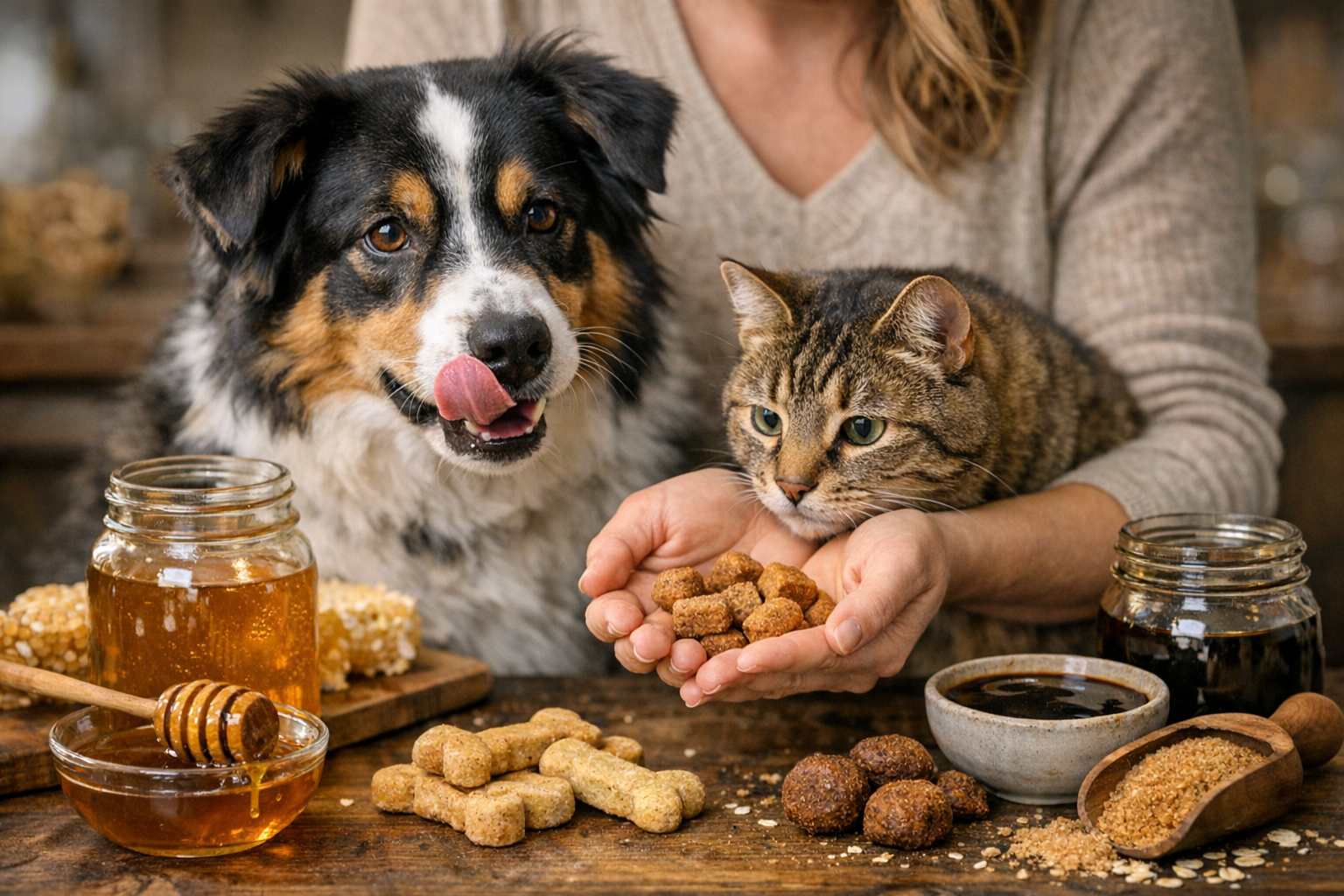
As pet parents, we want the best for our furry friends. When it comes to treating them, many of us are curious about using all-natural sweeteners like honey and molasses. This article discusses the benefits and drawbacks of these sweeteners, helping you make informed choices for your pet’s health.
Why This Topic Matters for Pet Parents
Understanding the ingredients in pet treats is crucial for your pet’s overall health. Natural sweeteners can add flavor and enjoyment to treats, but they also come with their own set of pros and cons. Knowing how to use them wisely can help you maintain your pet’s well-being while satisfying their taste buds.
Key Insights
- Natural Sweeteners: Honey and molasses are sweet, flavorful, and packed with nutrients.
- Possible Health Benefits: They can provide energy, vitamins, and minerals.
- Potential Risks: High sugar content can lead to weight gain, diabetes, or dental issues.
- Portion Control: Small amounts of natural sweeteners may be safe; moderation is key.
- Consult Your Vet: Always check with a veterinarian for personal recommendations based on your pet’s health.
Expert Tips
To incorporate natural sweeteners safely into your pet’s diet, consider these veterinarian-style recommendations:
- Moderation: Use small quantities to prevent excessive sugar intake. A teaspoon of honey or molasses can go a long way.
- Avoid Over Consuming: Too much of any sweetener can lead to health problems like obesity or diabetes.
- Monitor Your Pet’s Weight: Keep an eye on your pet’s weight when introducing new treats. If they gain weight, consider cutting back.
- Check for Allergies: Before giving honey or molasses, ensure your pet doesn’t have allergies to these ingredients.
- Use as a Reward: Use these sweeteners sparingly as training rewards to ensure they stay motivated without overindulging.
Best Products or Treat Types
When choosing treats that include natural sweeteners, here are some popular types worth considering:
- Homemade Treats: You can make simple biscuits using natural sweeteners like honey or molasses.
- Baked Goods: Look for pet treats that incorporate honey or molasses as key ingredients.
- Raw Treats: Some raw pet treat recipes safely use small amounts of natural sweeteners to enhance flavor.
- Chewy Treats: Treats that include molasses can be more enjoyable for dogs due to their chewy texture.
Common Mistakes to Avoid
To keep your pet healthy while treating them, avoid these common mistakes:
- Ignoring Sugar Content: Don’t overlook the total sugar content from all sources. Consider all treats in their daily diet.
- Using Too Much Sweetener: Avoid using too much honey or molasses in homemade treats; less is often more.
- Overlooking Other Ingredients: Make sure other ingredients in treats are also healthy and safe for your pet.
- Skipping Vet Advice: Always consult your veterinarian before introducing new sweeteners into your pet’s diet.
FAQs
1. Are honey and molasses safe for all pets?
While both are generally safe, some pets may have allergies or specific health concerns. Always consult your veterinarian.
2. Can honey be harmful to pets?
Raw honey can contain botulism spores, which can be dangerous for puppies and kittens. Consult your vet before feeding it to young pets.
3. How often can I give my pet treats with sweeteners?
Treats with natural sweeteners should be given in moderation. A few times a week is typically safe, but always keep an eye on overall calorie intake.
4. Is there a difference between honey and molasses for pets?
Both are natural, but honey is sweeter and has different nutritional benefits compared to molasses, which contains more minerals.
5. Should I avoid all sweeteners in my pet’s diet?
You don’t have to avoid them altogether; just use them sparingly and be mindful of your pet’s overall health and other dietary needs.
Conclusion
All-natural sweeteners like honey and molasses can enhance the taste of pet treats while offering some nutritional benefits. However, moderation is key. Always monitor your pet’s health and consult your veterinarian about how to safely incorporate these ingredients into their diet. With careful consideration, you can treat your pet to tasty snacks without compromising their health.