
The Connection Between Sugar Content and Yeast Infections in Dogs
Understanding the role of diet and sugar content in your dog’s health is essential for keeping them happy and healthy. This article explores the link between sugar intake and yeast infections in dogs, providing pet parents with critical insights, useful tips, and product recommendations.
Why This Topic Matters for Pet Parents
As pet parents, we want the best for our furry friends. Knowing how sugar affects your dog’s health can help prevent severe issues like yeast infections. These infections can lead to discomfort, itchiness, and other health problems. By managing your dog’s sugar intake, you can protect them from these infections and improve their overall well-being.
Key Insights
- Yeast infections in dogs are often caused by an overgrowth of yeast organisms, particularly Candida.
- High sugar content in food can create the perfect environment for yeast to thrive.
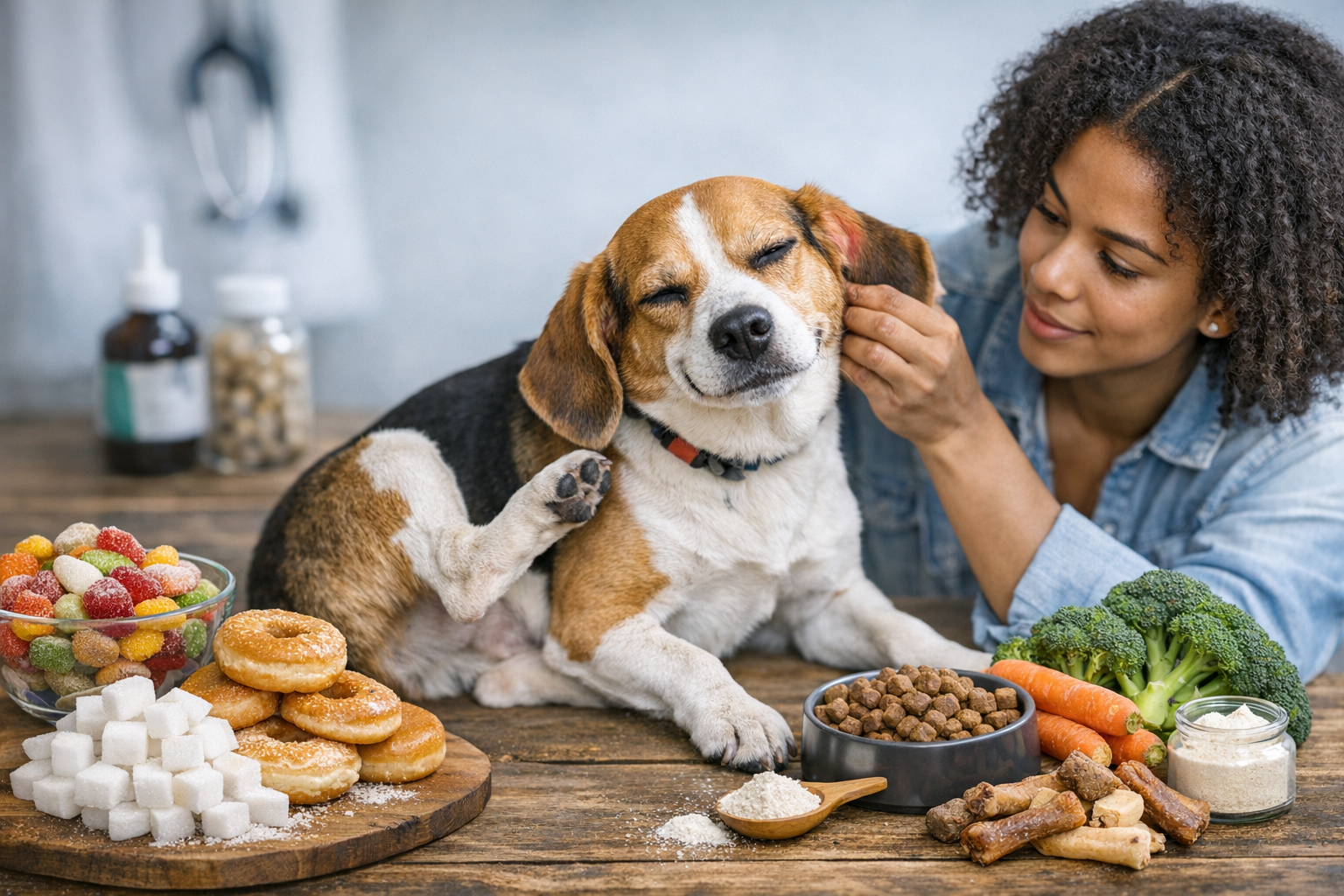
- Some symptoms of yeast infections include itching, redness, and ear problems.
- Managing your dog’s diet can help control yeast infections and improve their health.
- Regular vet check-ups are essential for identifying and treating yeast infections.
Expert Tips
Here are some veterinarian-style recommendations to help maintain your dog’s health:
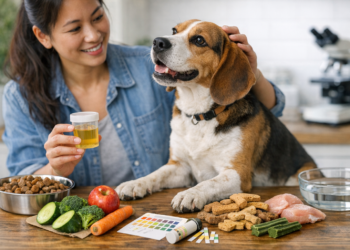
- Limit Sugary Treats: Opt for treats with low or no sugar. Read labels to ensure they are healthy.
- Choose Quality Food: Select dog foods with high protein and low carbohydrate content.
- Monitor Weight: Keep your dog at a healthy weight to reduce the risk of infections.
- Maintain Cleanliness: Regularly clean your dog’s ears, paws, and skin folds to prevent yeast growth.
- Consult Your Vet: If you notice symptoms of yeast infection, seek professional help immediately.
Best Products or Treat Types
When looking for treats and products for your dog, consider the following types:
- Natural Chews: Rawhide or dental chews made from natural ingredients can help promote dental health without added sugars.
- Vegetable-Based Treats: Carrots, green beans, or sweet potatoes are nutritious and low in sugar.
- Grain-Free Kibble: Look for high-quality, grain-free dog food that has protein-rich ingredients.
- Probiotic Supplements: These can help balance your dog’s gut bacteria and reduce yeast growth.
- Homemade Treats: making treats at home with healthy ingredients like oats and peanut butter can help control sugar levels.
Common Mistakes to Avoid
Here are some common pitfalls that pet parents should avoid:
- Ignoring Ingredients: Not reading labels can lead to unknown sugar content in dog food and treats.
- Overfeeding Treats: Giving too many treats can easily lead to high sugar intake and weight gain.
- Not Monitoring Symptoms: Ignoring signs of yeast infections can lead to more severe health issues.
- Using Human Food as Treats: Many human foods, like pastries and candies, are too sugary and harmful to dogs.
- Skipping Vet Visits: Regular check-ups are crucial for early detection of yeast infections and other health problems.
FAQs
1. What are the common symptoms of a yeast infection in dogs?
Common symptoms include itchiness, redness, foul odors, and visible discharge, especially in the ears and skin folds.
2. Can yeast infections be caused by diet alone?
While diet is a significant factor, yeast infections can also be influenced by other factors such as allergies, moisture, and underlying health conditions.
3. How can I tell if my dog has a yeast infection?
If you notice unexplained itching, excessive licking, or changes in behavior, consult your veterinarian to confirm if it’s a yeast infection.
4. Is it safe to give my dog probiotics?
Yes, many vets recommend probiotics as they can help maintain a healthy gut environment, which is important for preventing yeast overgrowth.
5. Can allergies contribute to yeast infections?
Absolutely! Food allergies or environmental allergies can increase the risk of yeast infections by weakening your dog’s immune system.
6. What role does water play in yeast infections?
Fresh, clean water helps support hydration and urinary health, which can be beneficial in preventing yeast infections.
Conclusion
Understanding the connection between sugar content and yeast infections in dogs is crucial for pet parents. By managing what your dog eats, being cautious about ingredients, and maintaining good hygiene practices, you can significantly reduce the risk of yeast infections. Always consult your veterinarian if you have concerns about your dog’s health or if you notice any symptoms. A proactive approach to your dog’s diet and overall health is the best way to ensure they live a long, happy life.