
When to Worry About Weight Loss or Gain on a New Treat Regimen
Changing your pet’s treat regimen can lead to weight changes. Understanding when to be concerned about weight loss or gain is crucial for your furry friend’s health. This article will guide you through the signs and symptoms to watch, expert recommendations, and common pitfalls to avoid.
Why This Topic Matters for Pet Parents
As pet parents, we want what’s best for our companions. Altering their diet, especially snacks and treats, can impact their overall health. Keeping an eye on weight changes can prevent serious health issues. Here’s why it is essential:
- Weight changes can signal health problems.
- Pets are sensitive to diet changes.
- Good weight management contributes to a longer, healthier life.
Key Insights
- Weight loss in pets may indicate dental issues, metabolic disorders, or other health concerns.
- Weight gain can lead to obesity, which brings along risks like diabetes and joint problems.
- Regular check-ups with the veterinarian are crucial after introducing new treats.
- Monitor your pet’s body condition score (BCS) to assess their ideal weight.
Expert Tips
Here are some veterinarian-style recommendations to help you maintain your pet’s health while introducing new treats:
- Introduce Treats Gradually: Slowly add new treats to avoid digestive upset.
- Measure Portions: Keep track of how many treats you give to avoid overfeeding.
- Consider Treat Calories: Treats should only make up about 10% of your pet’s daily caloric intake.
- Watch for Behavioral Changes: If your pet becomes lethargic or restless, consult your veterinarian.
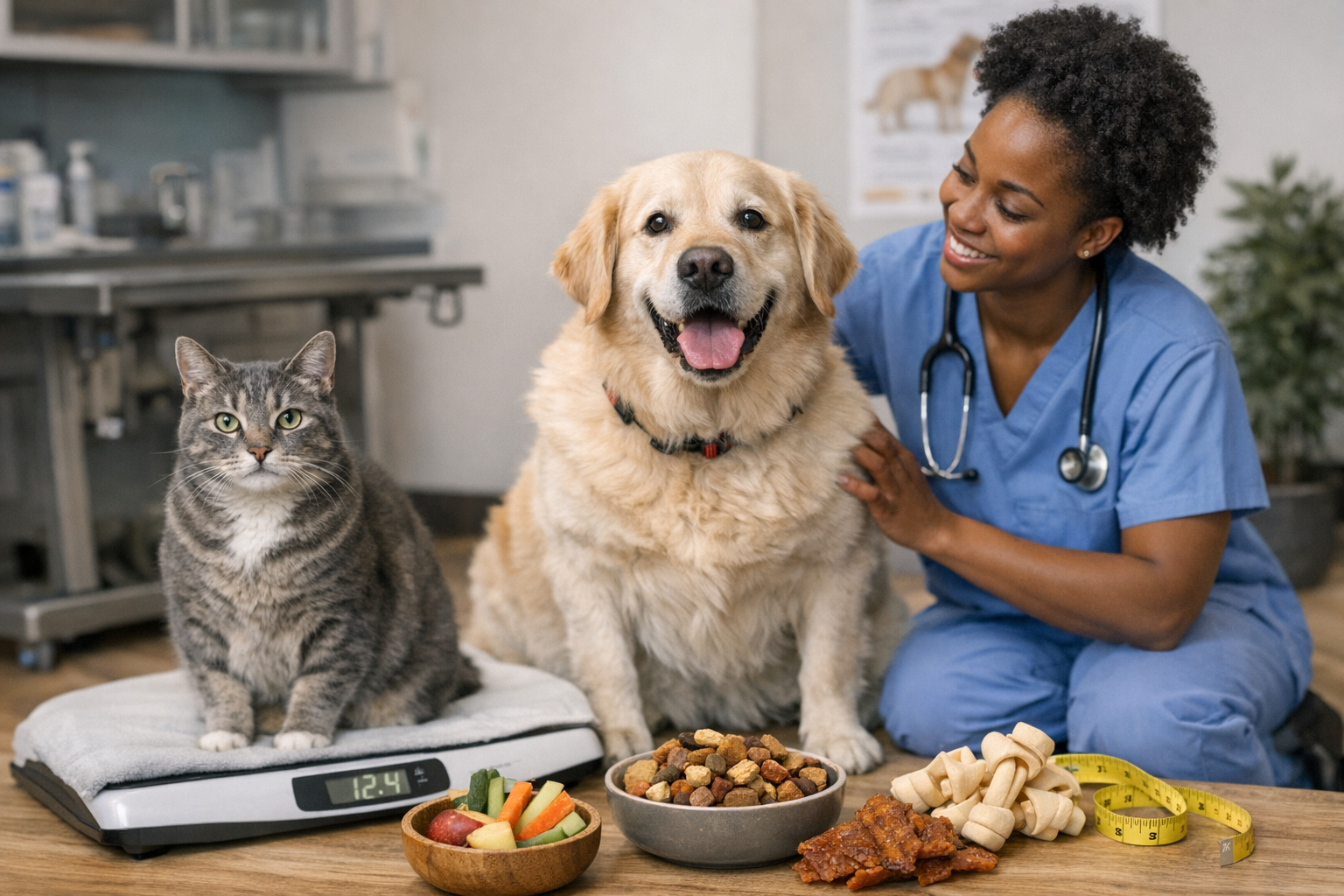
- Regular Weigh-Ins: Weigh your pet monthly and keep a log to track any changes.
Best Products or Treat Types
Choosing the right treats can make a difference. Here are some options that promote health:
- Low-Calorie Treats: Look for snacks specifically designed for weight management.
- Natural Options: Choose treats made with whole ingredients, like fruits and vegetables.
- Protein-Based Treats: Treats made from lean proteins can satisfy hunger without excessive calories.
- Dental Chews: These can help with oral health and provide a long-lasting snack.
- Homemade Treats: Consider making your own to control ingredients and calories.
Common Mistakes to Avoid
Changing your pet’s treat regimen can be tricky. Here are some common mistakes to steer clear of:
- Overestimating the Portion Size: Use a measuring cup to avoid giving too many treats.
- Only Monitoring Weight: Check for other signs like energy levels and behavior.
- Ignoring Body Condition Score: This helps you assess if your pet is at a healthy weight.
- Not Consulting a Vet: Always discuss new diets or treat changes with your veterinarian.
- Using Treats as a Reward Frequently: This can lead to weight gain; consider other forms of reward.
FAQs
1. How much weight loss is normal for pets?
Generally, a loss of 1-2% of body weight per week is considered safe. Anything more should be checked by a veterinarian.
2. What should I do if my pet is gaining weight on new treats?
If your pet is gaining weight, reduce treat portions and consult your veterinarian for advice on the best course of action.
3. How can I tell if my pet is overweight?
Check your pet’s body condition score (BCS) and look for excess fat around the ribs and waist, as well as lethargy or difficulty in movement.
4. Are low-calorie treats always safe?
Not all low-calorie treats are created equal. Always check the ingredient list and consult your veterinarian for recommendations.
5. Can treats affect my pet’s behavior?
Yes! Too many treats can lead to hyperactivity or lethargy. Monitor your pet’s overall behavior and energy levels after introducing new treats.
6. How often should I weigh my pet?
Weigh your pet monthly, and consult your veterinarian for a more tailored schedule based on their specific needs.
Conclusion
Watching for weight loss or gain after starting a new treat regimen is essential for your pet’s health. Keep in mind that while some fluctuation can be normal, significant changes should raise a red flag. Regular check-ups, careful monitoring, and smart decisions about what treats you offer will ensure your pet remains happy and healthy. Always consult your veterinarian if you’re unsure about your pet’s weight changes or health status. Your furry friend’s well-being depends on it!