
The Science Behind Palatability: Why Dogs Prefer Certain Treats
Understanding why dogs prefer certain treats can help pet parents make better choices for their pets. This article explores the science of palatability, factors influencing dog preferences, and how to provide the tastiest options for your furry friends.
Why This Topic Matters for Pet Parents
As a pet parent, choosing the right treats is essential for your dog’s happiness and health. Dogs have unique taste preferences that can affect their nutrition and behavior. By understanding what makes treats appealing, you can select the best options for your dog, ensuring they enjoy their rewards while remaining healthy.
Key Insights
- Taste Buds: Dogs have more taste buds than humans, particularly those that detect savory and meaty flavors.
- Aroma Matters: A dog’s sense of smell is far superior to that of humans, making the aroma of treats a significant factor in their choices.
- Texture and Consistency: Dogs often prefer treats that are crunchy or chewy, which provides an engaging eating experience.
- Ingredients: The type and quality of ingredients impact palatability. Real meat and natural flavors are often preferred over artificial ones.
- Familiarity: Dogs may favor treats they are used to, which can be linked to positive experiences associated with that treat.
Expert Tips
Here are some veterinarian-style recommendations to make the best treat choices for your dog:
- Check Ingredients: Look for high-protein treats with real meat as the first ingredient.
- Avoid Fillers: Stay away from treats containing excessive fillers, artificial preservatives, and by-products.
- Moderation is Key: Treats should make up no more than 10% of your dog’s daily calorie intake.
- Introduce New Treats Gradually: When introducing new treats, do so slowly to avoid upsetting your dog’s stomach.
- Observe Reactions: Pay attention to your dog’s preferences and reactions to different treats. Every dog is unique!
Best Products or Treat Types
Here are some treat types that are generally favored by dogs:
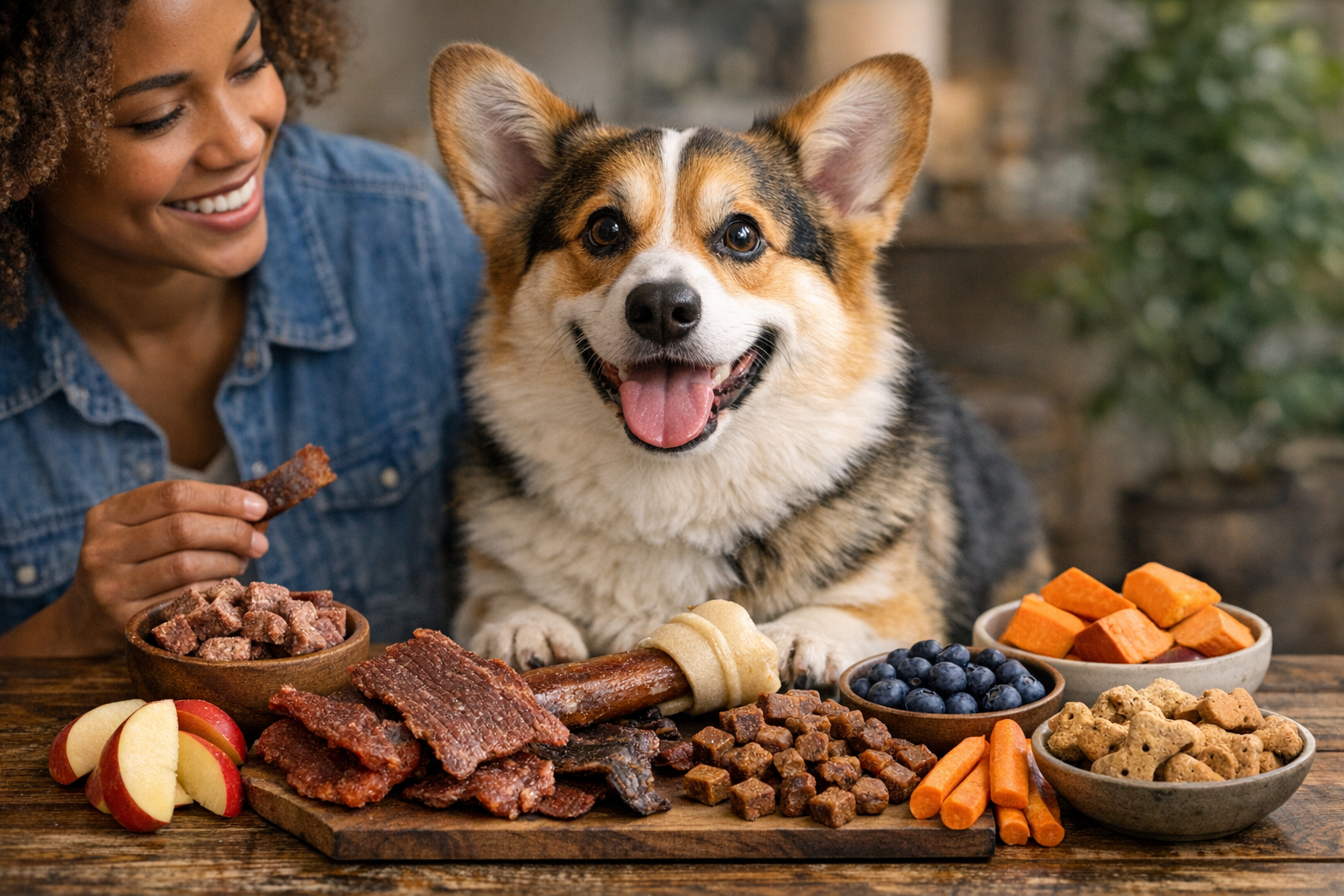
- Meat Treats: These include jerky, freeze-dried meats, or meat-flavored biscuits.
- Natural Chews: Options like bully sticks, rawhide, and dental chews are popular and can also promote dental health.
- Fruits and Vegetables: Small amounts of dog-safe fruits (like blueberries) or veggies (like sweet potatoes) can make great healthy treats.
- Training Treats: Small, soft, and easy-to-chew treats work well during training sessions.
Common Mistakes to Avoid
Here are some common mistakes pet parents make when selecting treats:
- Ignoring Nutritional Value: Not all treats are created equal. Quality matters!
- Overfeeding Treats: Giving too many treats can lead to obesity and related health issues.
- Choosing Flavor Over Health: A treat that dogs love may not be good for them. Balance flavor with nutrition.
- Not Considering Allergies or Sensitivities: Always be aware of any food allergies your dog may have before choosing treats.
FAQs
- What types of flavors do dogs prefer?
Most dogs love meaty flavors, but they can also enjoy sweet flavors like peanut butter or pumpkin.
- Can I give my dog human food as treats?
Yes, some human foods are safe for dogs, like certain fruits and vegetables, but always check what’s safe before sharing.
- How can I tell if my dog likes a new treat?
Watch their reactions when you offer a new treat. If they eat it eagerly or ask for more, they likely enjoy it!
- Are grain-free treats better?
Not necessarily. Some dogs benefit from grains, while others may have grain sensitivities. Know your dog’s needs.
- How many treats should I give my dog daily?
Treats should not exceed 10% of your dog’s daily calorie intake. Adjust based on their diet and activity level.
Conclusion
Understanding the science behind why dogs prefer certain treats can help you choose healthier and more enjoyable options for your pet. By considering factors like taste, aroma, texture, and ingredients, you can ensure your dog has the best treat experience. Avoid common mistakes and follow expert tips to keep your furry friend happy and healthy. With mindful selection, you’ll be able to treat your dog in a way that boosts their well-being while indulging their taste buds!