
Understanding Canine Urinary Crystals: Treats to Avoid (High Oxalate)
Canine urinary crystals can cause discomfort and serious health issues for dogs. Knowing which treats are high in oxalates can help you prevent these crystals. This guide provides pet parents with essential information about urinary crystals and the best practices for treating and preventing them.
Why This Topic Matters for Pet Parents
Understanding urinary crystals in dogs is crucial for several reasons:
- They can lead to painful urinary tract infections (UTIs).
- Severe cases may require medical intervention, including surgery.
- Certain diets and treats can contribute to the formation of these crystals.
Key Insights
- What Are Urinary Crystals? They are solid mineral formations that occur in a dog’s urine.
- Common Types: Struvite, calcium oxalate, and urate crystals.
- Symptoms: Frequent urination, blood in urine, straining to urinate, or cloudy urine.
- Oxalates Matter: High oxalate foods can increase the risk of calcium oxalate crystals.
Expert Tips
Veterinarians offer several recommendations for managing and preventing urinary crystals:
- Provide plenty of fresh water to help dilute urine.
- Discuss your dog’s diet with a vet to ensure it is appropriate.
- Monitor your dog for symptoms of urinary issues.
- Avoid high-oxalate foods as a preventive measure.
Best Products or Treat Types
When choosing treats for your dog, consider options that are less likely to contribute to urinary crystal formation:
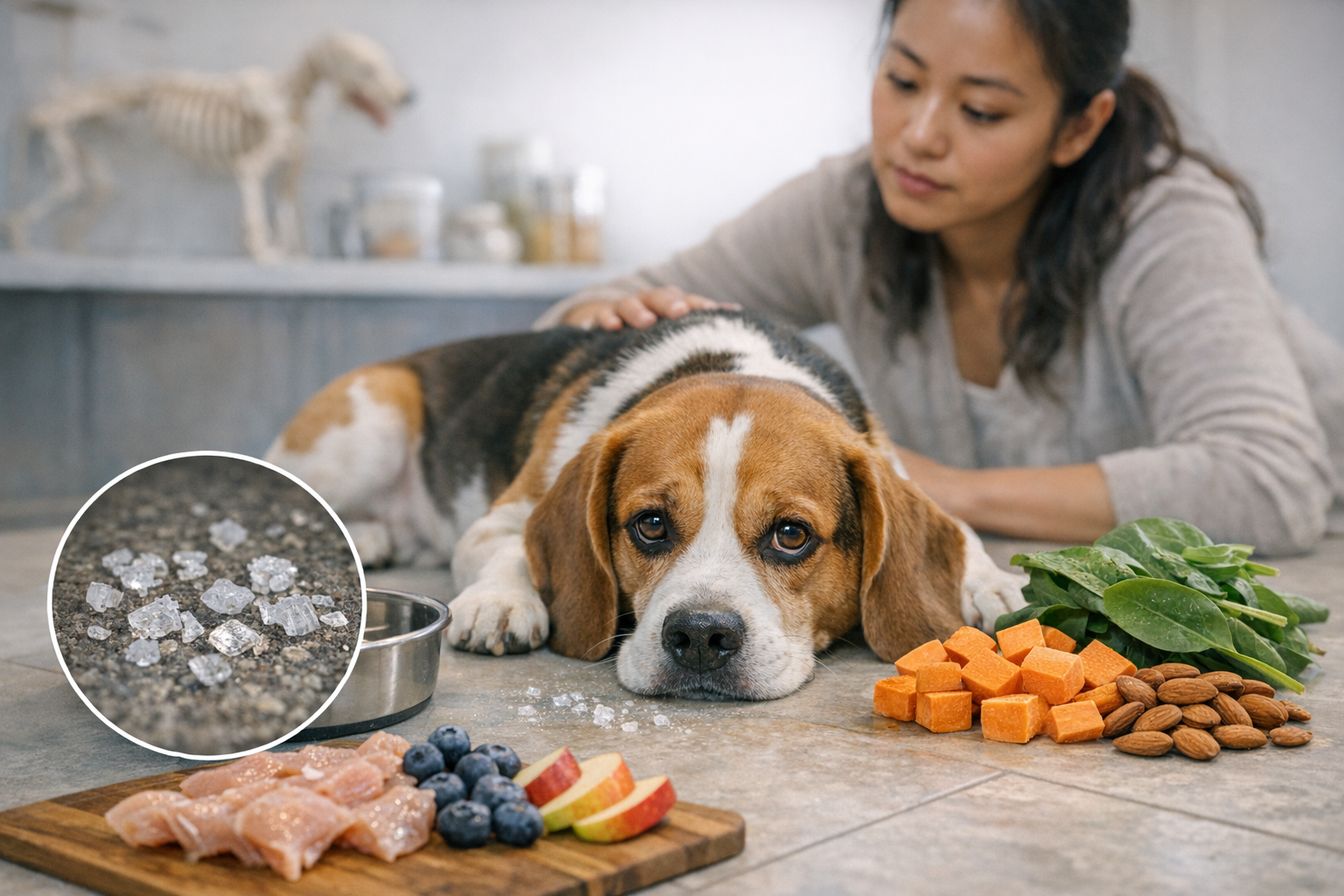
- Low-Oxalate Treats: Look for treats made from apples, blueberries, and pumpkin.
- High-Quality Protein: Choose treats with lean meats like chicken or turkey as the main ingredient.
- Raw or Dehydrated Treats: These can offer essential nutrients without high oxalate levels.
- Dental Chews: These can promote oral health and are often low in harmful compounds.
Common Mistakes to Avoid
- Ignoring symptoms: Don’t wait if your dog shows signs of distress.
- Feeding high-oxalate treats: Be mindful of ingredients, such as spinach and sweet potatoes.
- Neglecting hydration: Always provide fresh water to help flush the urinary system.
- Poor diet choices: Avoid treats that are overly processed or high in sugar.
FAQs
-
What are the signs of urinary crystals in dogs?
Common signs include difficulty urinating, frequent bathroom trips, blood in the urine, and discomfort while urinating.
-
How can I tell if my dog has urinary crystals?
A veterinarian can perform a urinalysis to check for crystals and other urinary issues.
-
Are there specific breeds prone to urinary crystals?
Yes, breeds like Miniature Schnauzers, Yorkshire Terriers, and Dachshunds are more susceptible to urinary crystals.
-
What dietary changes can help prevent urinary crystals in dogs?
Opt for a balanced diet lower in oxalates and provide ample water to dilute the urine.
-
Is it safe to use home remedies for treating urinary crystals?
Always consult with a veterinarian before trying any home remedies, as they may not be effective or safe.
Conclusion
Understanding canine urinary crystals is essential for keeping your pet healthy. By avoiding high-oxalate treats and following veterinarian recommendations, you can help reduce the risk of urinary crystals and the discomfort they cause. Staying informed and proactive will ensure that your furry friend remains happy and healthy.